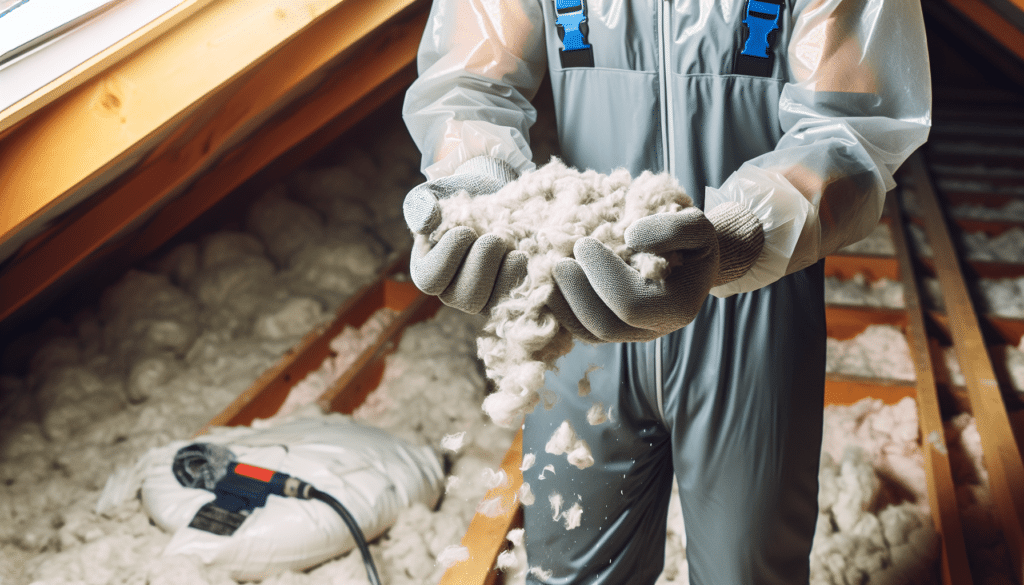
Welcome to the world of blown-in insulation! If you’re looking to increase the energy efficiency of your home or simply upgrade your current insulation, blown-in insulation is a great option to consider. This versatile and cost-effective solution can help keep your home comfortable year-round while lowering your utility bills. Whether you’re adding insulation to existing walls or attics, or upgrading your current insulation, blown-in insulation is a fantastic choice for any homeowner. Let’s explore the benefits and process of installing or upgrading blown-in insulation in your home. Have you been considering improving the insulation in your home, but you’re not quite sure where to start? Blown-in insulation is a popular choice for many homeowners looking to increase energy efficiency and lower utility bills. Whether you’re installing new insulation or upgrading your current insulation, this article will guide you through the process step by step. Let’s dive in!
What is Blown-In Insulation?
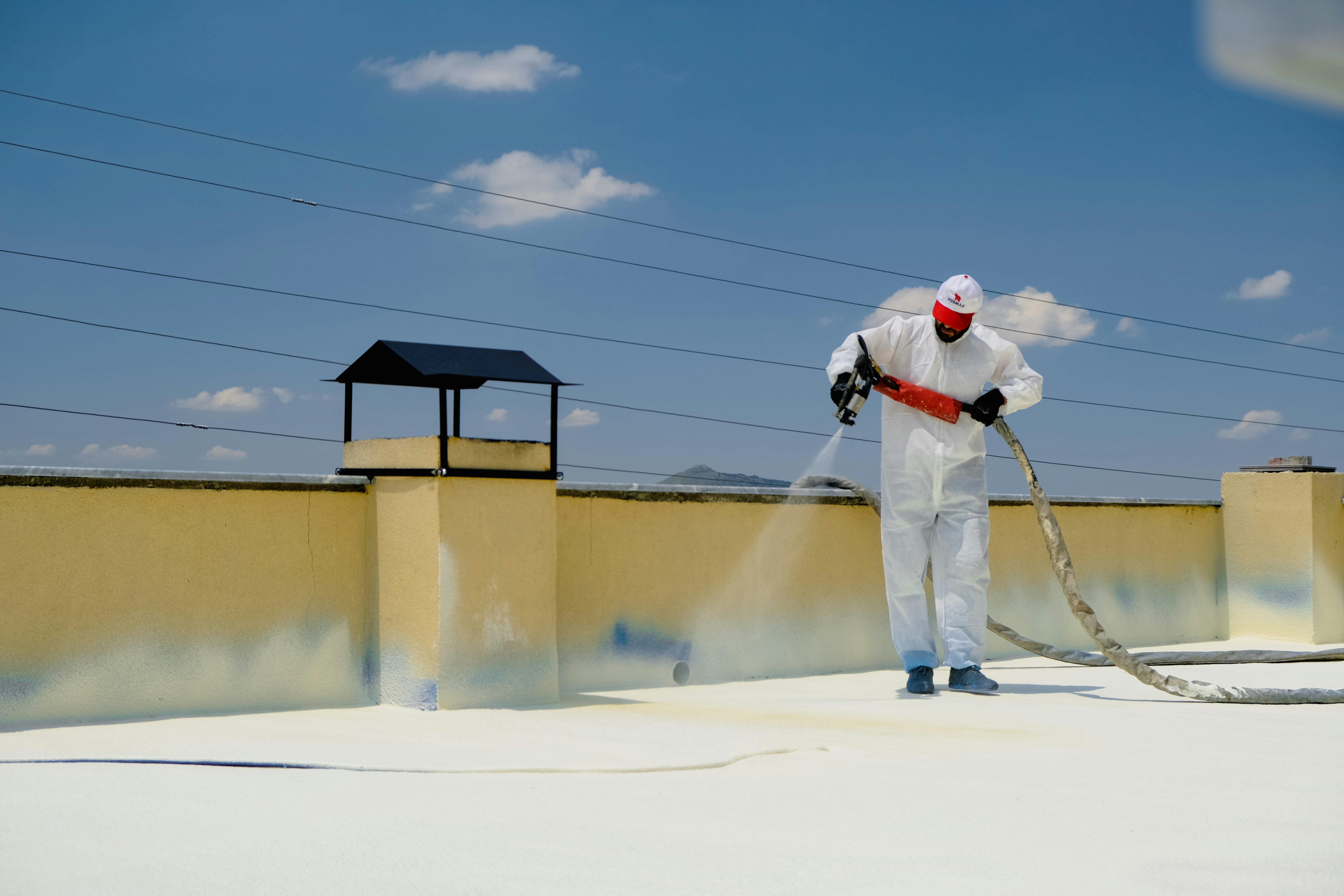
Blown-in insulation, also known as loose-fill insulation, is a type of insulation material that is blown into place using specialized equipment. It is typically made of fiberglass, cellulose, or mineral wool, and provides an effective barrier against heat transfer in your home. This type of insulation is especially useful for filling in small gaps and hard-to-reach areas, making it a popular choice for attics, walls, and crawl spaces.
Why choose Blown-In Insulation?
Blown-in insulation offers several advantages over traditional insulation methods such as batts or rolls. Here are a few reasons why you should consider blown-in insulation for your home:
- Efficiency: Blown-in insulation is highly effective at reducing heat transfer, keeping your home more comfortable and energy-efficient.
- Versatility: It can be easily installed in a variety of spaces, including irregularly shaped areas and hard-to-reach corners.
- Durability: Blown-in insulation is resistant to settling and can maintain its effectiveness over time.
- Cost-Effective: It is often more affordable than other types of insulation and can lead to significant savings on energy bills.
Installing Blown-In Insulation
Now that you know the benefits of blown-in insulation, let’s walk through the process of installing it in your home. While you can attempt to install blown-in insulation yourself, it is recommended to hire a professional contractor to ensure proper installation and maximize energy savings.
Step 1: Assessment and Preparation
Before installing blown-in insulation, you’ll need to assess the current insulation levels in your home and identify any areas that need additional insulation. An energy audit can help you determine the most effective areas to insulate and the recommended R-values for your climate zone.
Step 2: Equipment and Materials
To install blown-in insulation, you will need the following equipment and materials:
- Blown-in insulation material (fiberglass, cellulose, or mineral wool)
- Insulation blower machine
- Protective gear (gloves, goggles, mask)
- Rods and hoses for reaching tight spaces
Step 3: Installation Process
Here’s a general overview of the installation process for blown-in insulation:
- Set up the insulation blower machine in a central location near the area to be insulated.
- Wear protective gear to prevent exposure to insulation fibers.
- Start at the furthest point from the blower machine and work your way towards it, filling in gaps and crevices as you go.
- Use rods and hoses to reach tight spaces and ensure even coverage.
- Monitor the insulation levels to achieve the desired R-value for optimal energy efficiency.
Step 4: Post-Installation Inspection
Once the blown-in insulation is installed, it’s important to conduct a post-installation inspection to ensure that the insulation is evenly distributed and adequately covers the desired areas. Any gaps or uneven spots should be addressed to maximize the effectiveness of the insulation.
Step 5: Energy Savings and Benefits
After installing blown-in insulation in your home, you can start enjoying the benefits of improved energy efficiency and lower utility bills. By reducing heat transfer and maintaining a consistent indoor temperature, blown-in insulation can help you create a more comfortable living environment and reduce your carbon footprint.
Upgrading Existing Insulation
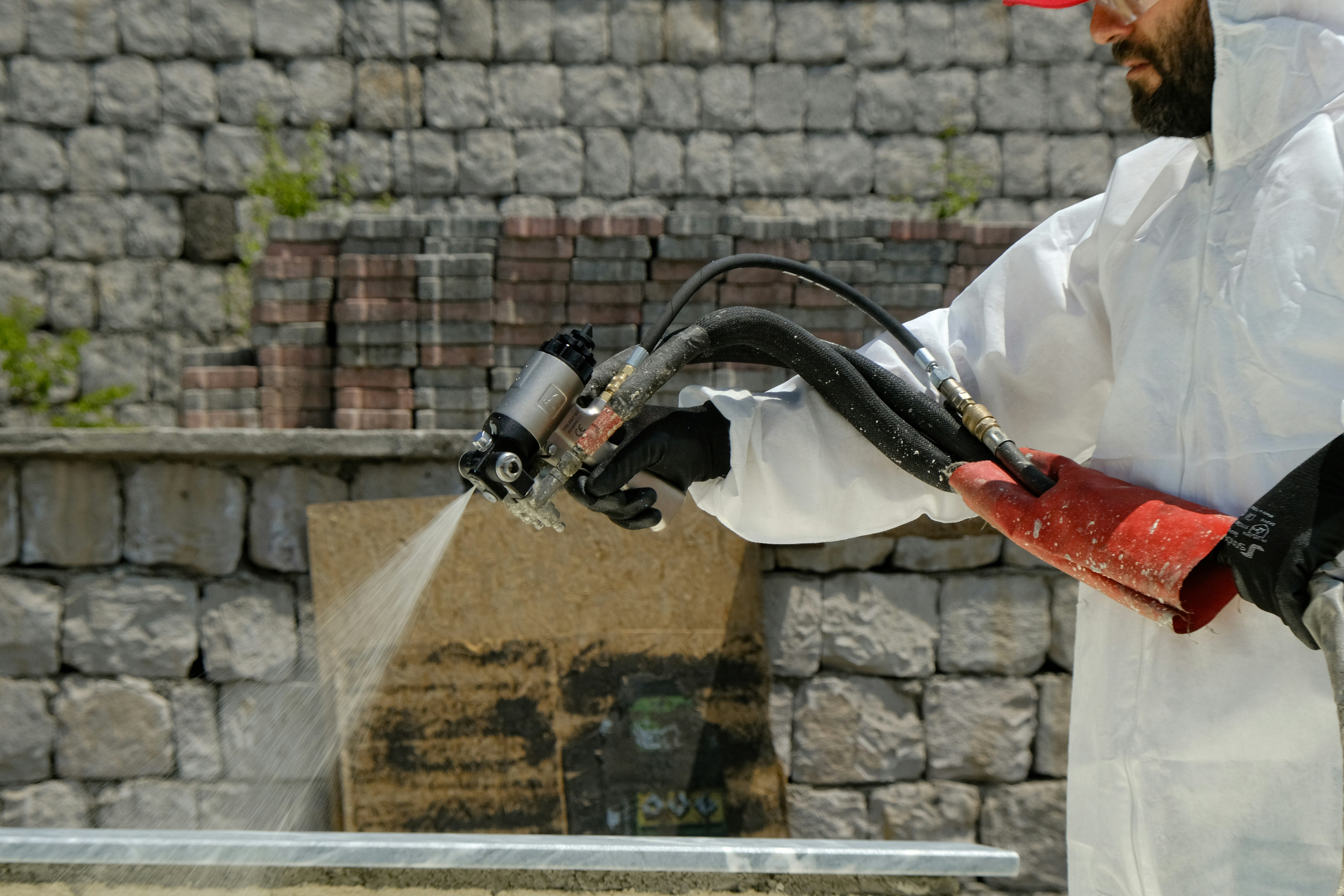
If your home already has insulation but you’re looking to improve its effectiveness, you can consider upgrading to blown-in insulation. This process involves adding blown-in insulation on top of existing insulation to increase its R-value and enhance energy efficiency.
Benefits of Upgrading Insulation
Upgrading your existing insulation with blown-in insulation offers several benefits, including:
- Improved Energy Efficiency: By increasing the R-value of your insulation, you can reduce heat loss and lower your heating and cooling costs.
- Enhanced Comfort: Upgraded insulation can help maintain a consistent indoor temperature and reduce drafts and cold spots in your home.
- Increased Home Value: Energy-efficient homes are more attractive to buyers and can increase the value of your property.
How to Upgrade Insulation
Here’s how you can upgrade your existing insulation with blown-in insulation:
- Assess the current insulation levels in your home and determine the recommended R-value for your climate zone.
- Hire a professional contractor to perform a thorough inspection of your insulation and recommend the best approach for upgrading.
- Choose the appropriate type of blown-in insulation material (fiberglass, cellulose, or mineral wool) based on your insulation needs.
- Follow the installation process outlined above to add blown-in insulation on top of your existing insulation.
- Conduct a post-installation inspection to ensure that the insulation is evenly distributed and adequately covers the desired areas.
Cost Considerations
The cost of upgrading your existing insulation with blown-in insulation will vary depending on the size of your home, the type of insulation material used, and the complexity of the installation process. It’s recommended to obtain multiple quotes from reputable contractors to compare costs and ensure you’re getting the best value for your investment.
Conclusion
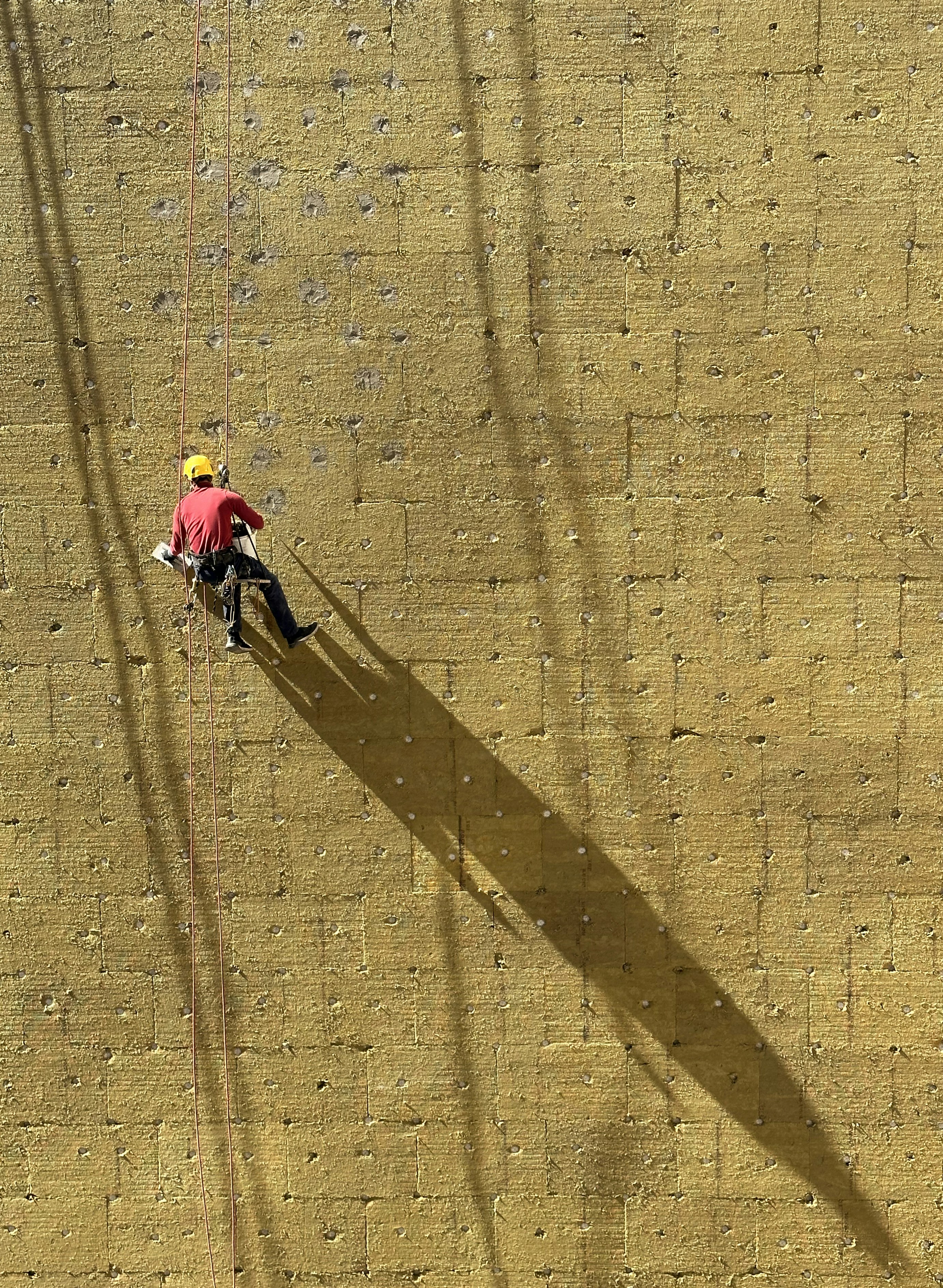
Whether you’re installing new insulation or upgrading your existing insulation, blown-in insulation can offer significant benefits in terms of energy efficiency, comfort, and cost savings. By following the steps outlined in this article and working with a professional contractor, you can improve the insulation in your home and enjoy a more comfortable living environment year-round. Upgrade to blown-in insulation today and start reaping the rewards of a more energy-efficient home!