Welcome to the world of designer interior lighting plans! In this article, you will learn about the importance of a well-thought-out lighting plan in enhancing the ambiance and functionality of your living space. From choosing the right fixtures to strategically placing lights to highlight key features, you will discover how to create a warm and inviting atmosphere in your home. So let’s dive in and brighten up your living space with a carefully curated lighting plan! Have you ever walked into a beautifully designed room and wondered what makes it so inviting and pleasing to the eye? Chances are, the lighting played a significant role in creating that ambiance. Designing an interior lighting plan may seem like a daunting task, but with the right guidance, you can transform any space into a cozy and stylish retreat.
Understanding the Basics of Interior Lighting
Before diving into the world of interior lighting design, it’s essential to familiarize yourself with the basic concepts and terminology.
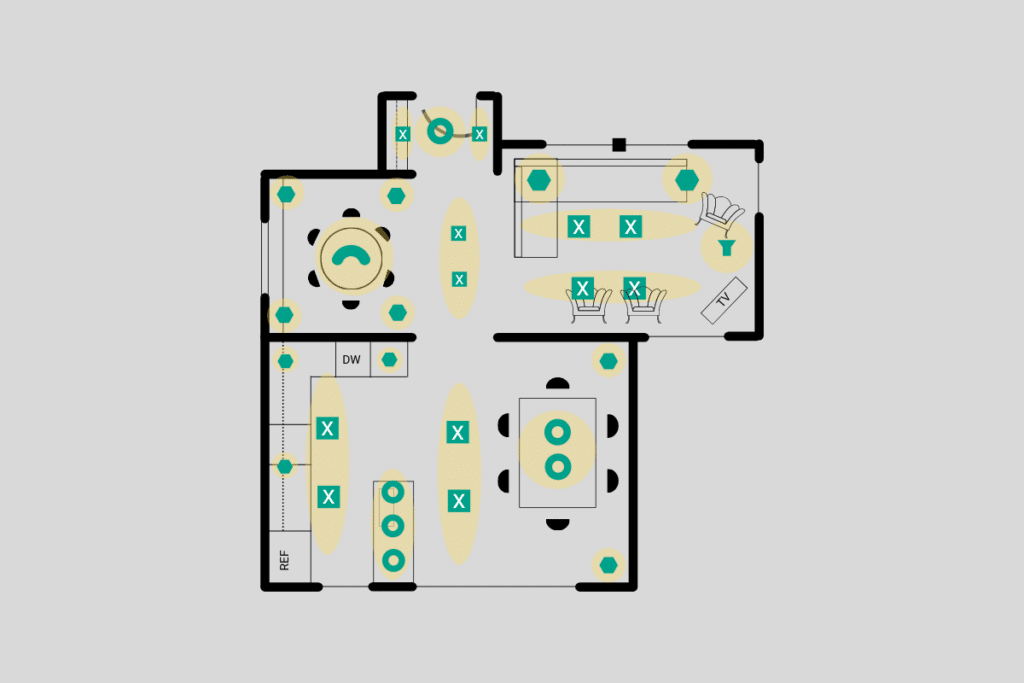
Lighting can be categorized into three main types: ambient lighting, task lighting, and accent lighting. Ambient lighting provides overall illumination to a room, task lighting is focused on specific activities or tasks, and accent lighting is used to highlight certain elements or areas in a space.
Ambient Lighting
Think of ambient lighting as the backbone of your interior lighting plan. It sets the tone for the entire room and creates a welcoming atmosphere.
Task Lighting
Task lighting, on the other hand, is all about functionality. It illuminates areas where specific tasks are performed, such as reading, cooking, or grooming.
Accent Lighting
Accent lighting adds depth and dimension to a room by highlighting artwork, architectural features, or decorative objects. It is the finishing touch that brings a space to life.
Assessing Your Space
The first step in designing an interior lighting plan is to assess your space. Take note of the room’s size, layout, and existing lighting fixtures. Consider how natural light enters the room throughout the day and how it affects the overall ambiance.
Room Size and Layout
The size and layout of a room will dictate the type and placement of lighting fixtures. Larger rooms may require multiple light sources to ensure adequate illumination, while smaller rooms may only need a few strategically placed fixtures.
Existing Lighting Fixtures
Take inventory of the existing lighting fixtures in the room. Determine which fixtures are functional and which ones may need to be updated or replaced. Consider the style and design of the fixtures to ensure they align with your overall aesthetic.
Natural Light
Natural light is a crucial element in interior lighting design. Take note of how natural light enters the room throughout the day and consider how you can complement it with artificial lighting.
Creating a Lighting Plan
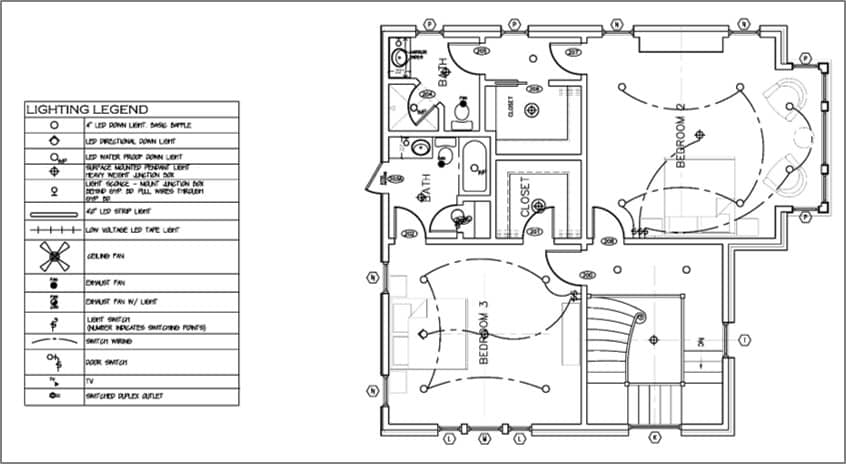
Once you have assessed your space, it’s time to create a lighting plan that meets your needs and enhances the overall design of the room.
Layering Light
The key to a well-designed interior lighting plan is to layer different types of lighting sources. By combining ambient, task, and accent lighting, you can create a dynamic and versatile lighting scheme that is both functional and visually appealing.
Lighting Zones
Divide the room into lighting zones based on the activities that take place in each area. For example, a living room may have a reading nook, a conversation area, and a media zone. Each zone will require different types of lighting to meet its specific needs.
Fixture Selection
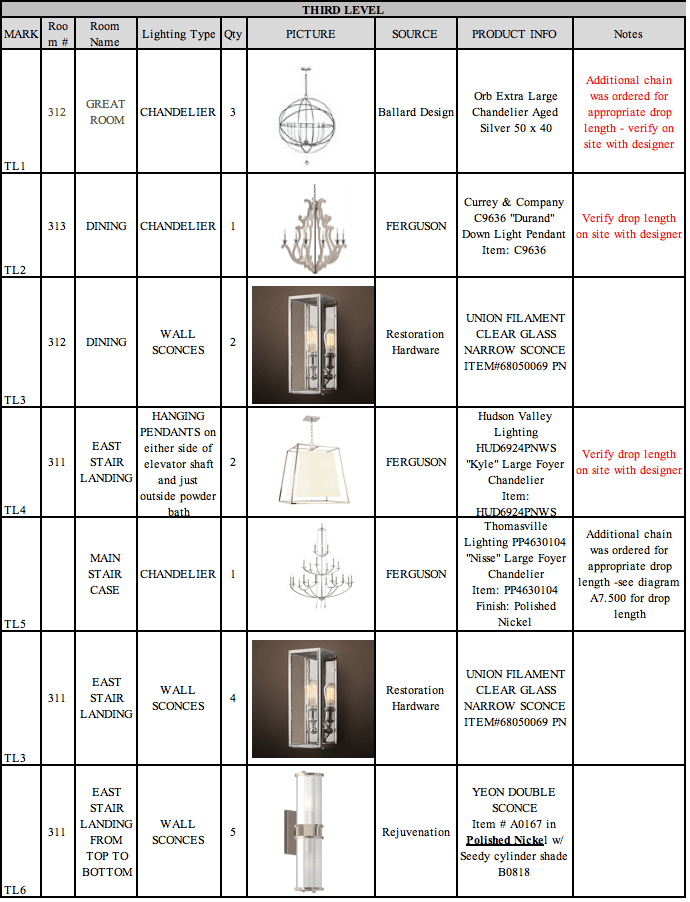
Choose lighting fixtures that not only provide adequate illumination but also enhance the overall aesthetic of the room. Consider the style, finish, and scale of the fixtures to ensure they complement the design of the space.
Selecting Lighting Fixtures
With so many lighting fixtures available on the market, it can be overwhelming to choose the right ones for your space. Here are some tips to help you select the perfect fixtures for your interior lighting plan.
Ceiling Lights
Ceiling lights, such as chandeliers, flush mounts, and pendants, are the most common type of lighting fixtures used for ambient lighting. Consider the height of your ceilings and the size of the room when selecting ceiling lights.
Wall Sconces
Wall sconces are a great way to add ambient or accent lighting to a room without taking up floor space. They can be used as decorative elements or to illuminate specific areas, such as artwork or architectural features.
Table Lamps
Table lamps are perfect for adding task lighting to specific areas, such as bedside tables, desks, or end tables. Consider the size and style of the table lamp to ensure it complements the overall design of the room.
Floor Lamps
Floor lamps are versatile lighting fixtures that can be used to provide ambient or task lighting in any room. Choose a floor lamp with a base and shade that complement the design aesthetic of the space.
Installing Your Lighting Fixtures
Once you have selected the perfect lighting fixtures for your interior lighting plan, it’s time to install them in your space. Here are some tips to help you properly install your fixtures.
Safety First
Before installing any lighting fixtures, make sure to turn off the electricity to the room at the circuit breaker. Use caution when working with electrical wiring to avoid injury or damage.
Proper Placement
Ensure that your lighting fixtures are placed at the correct height and distance from the ceiling, walls, and other objects in the room. Consider the beam angle and direction of the light to achieve the desired illumination.
Dimmer Switches
Consider installing dimmer switches for your lighting fixtures to control the intensity of the light and create different moods in the room. Dimmer switches are a versatile lighting option that allows you to adjust the brightness to suit your needs.
Tips for Maintaining Your Lighting Fixtures
To ensure that your interior lighting plan remains as beautiful and functional as the day it was installed, it’s essential to properly maintain your lighting fixtures. Here are some tips for keeping your fixtures in top condition.
Regular Cleaning
Dust, dirt, and grime can accumulate on lighting fixtures over time, diminishing their brightness and beauty. Regularly dust and clean your fixtures to maintain their appearance and performance.
Bulb Replacement
Keep spare light bulbs on hand and replace burnt-out bulbs promptly to ensure that your lighting fixtures provide adequate illumination. Consider energy-efficient LED bulbs for longer-lasting and cost-effective lighting.
Professional Maintenance
For more complex or hard-to-reach lighting fixtures, consider hiring a professional to perform routine maintenance and repairs. Professional maintenance can help extend the lifespan of your fixtures and prevent costly damage.
Conclusion
Designing an interior lighting plan is an exciting opportunity to transform your space into a warm and inviting retreat. By understanding the basics of interior lighting, assessing your space, creating a lighting plan, selecting the right fixtures, and properly installing and maintaining your lighting fixtures, you can create a beautifully illuminated room that reflects your personal style and enhances your overall design aesthetic. So, go ahead and illuminate your space with style and flair!