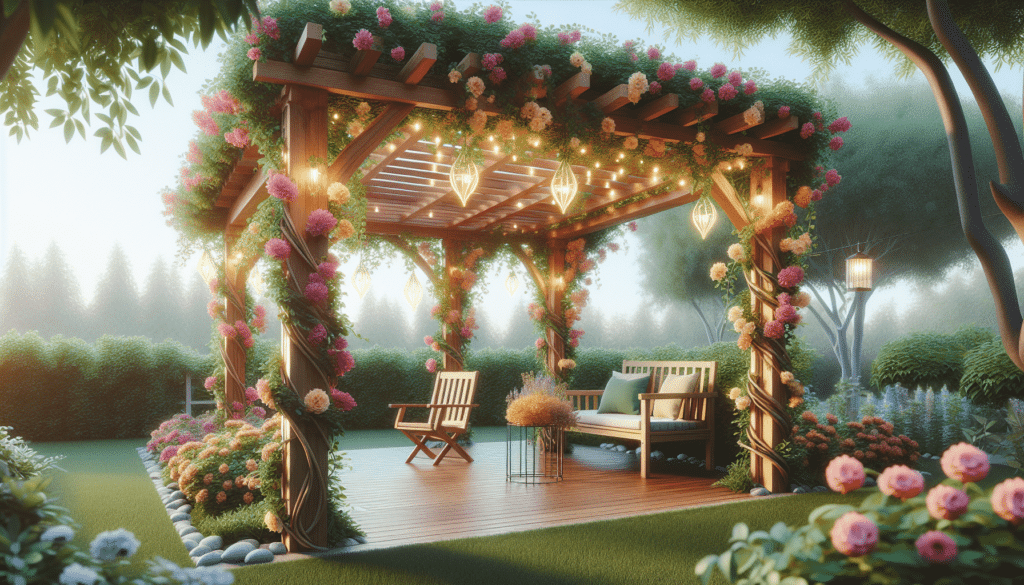
Welcome to the world of custom outdoor structures! Whether you’re looking to create a cozy corner in your garden with an arbor-pergola, or add a touch of elegance with a custom trellis, the possibilities are endless. With personalized designs that cater to your unique style and needs, you’ll have the perfect addition to your outdoor space in no time. Let’s get started on building the outdoor oasis of your dreams! Have you been dreaming of adding a beautiful outdoor structure to your yard, but are unsure whether to choose an arbor, a pergola, or a trellis? With so many choices and design options available, it can be overwhelming to make a decision. In this article, we will guide you through the process of building a custom arbor, pergola, or trellis for your outdoor space. Let’s explore the differences between these structures, the materials you can use, and the steps involved in building each one. Whether you’re looking for a cozy spot to relax, a stylish entrance to your garden, or a way to add vertical interest to your space, we’ve got you covered. Let’s get started!
Understanding the Difference Between Arbors, Pergolas, and Trellises
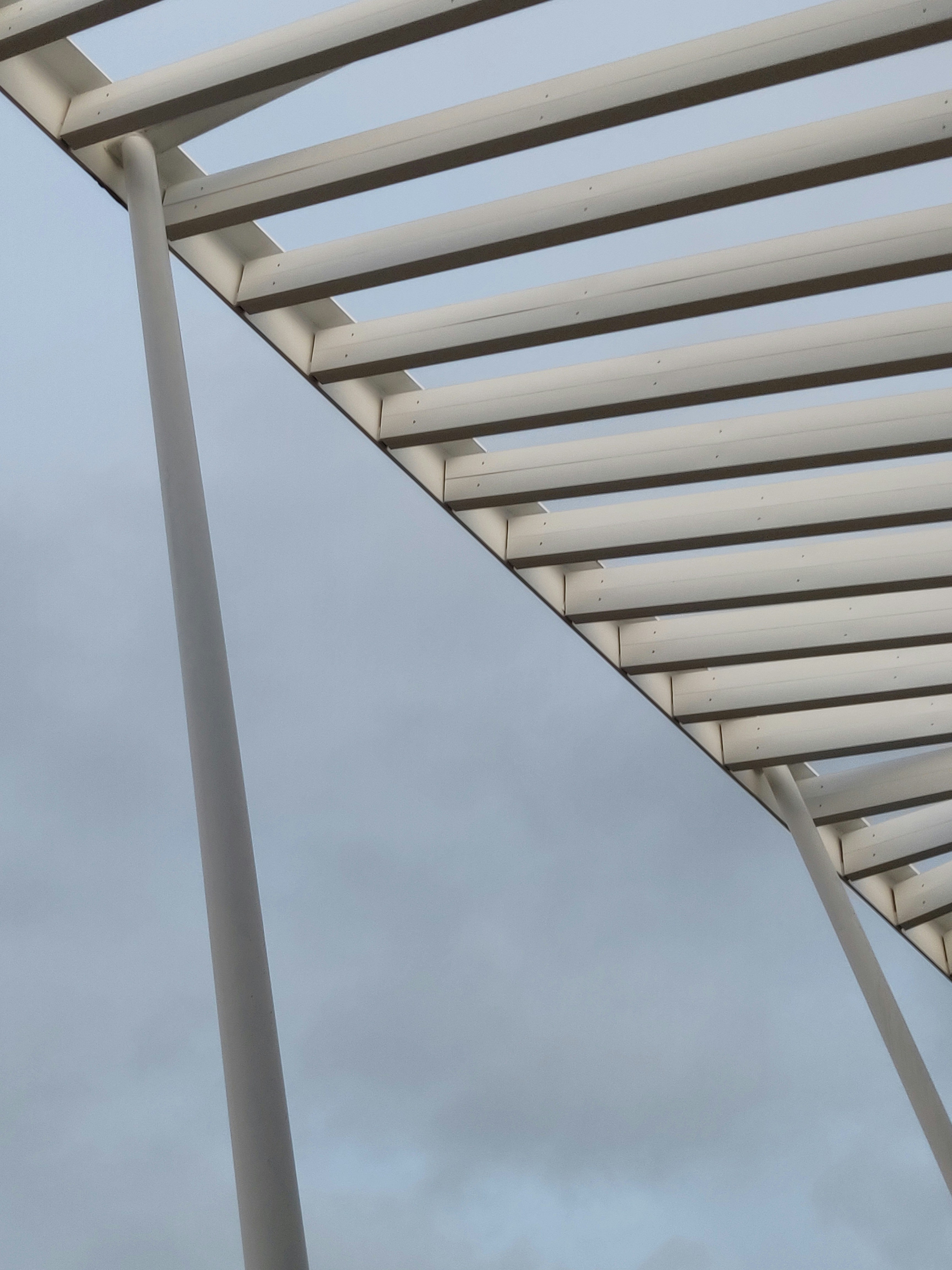
When it comes to outdoor structures, the terms arbor, pergola, and trellis are often used interchangeably, but they are actually distinct in terms of design and function. An arbor is typically a simple, decorative structure that serves as an entrance or gateway to a garden or yard. It often features arched or flat top with open sides and may have a bench or seating area underneath. A pergola, on the other hand, is a larger, more substantial structure that provides shade and defines an outdoor space. It usually consists of vertical posts or pillars that support cross beams and an open lattice roof. A trellis, meanwhile, is a flat, latticed panel that is often attached to a wall or fence and used to support climbing plants. Understanding the differences between these structures will help you choose the one that best fits your needs and design preferences.
Arbor
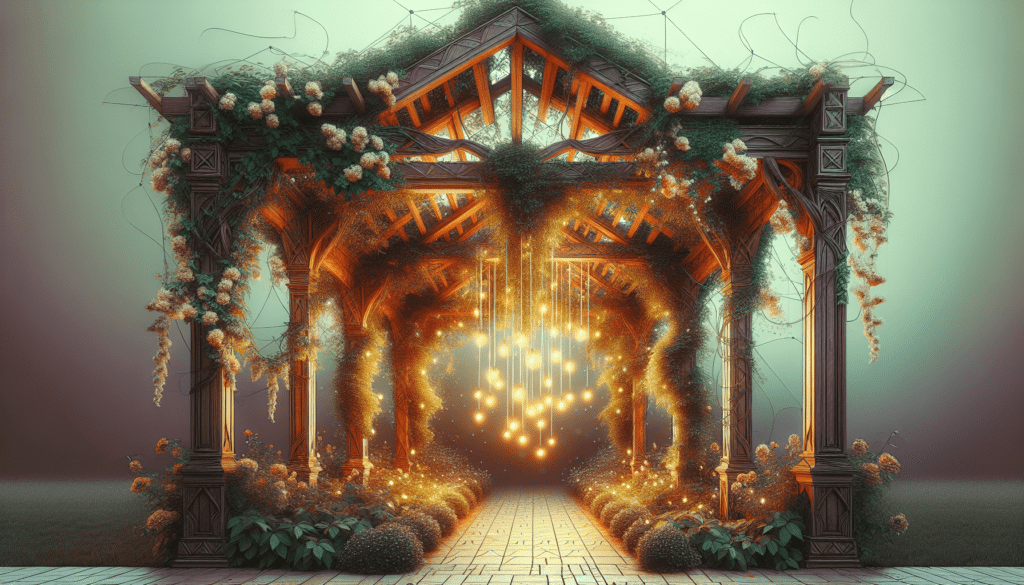
Arbors are perfect for adding charm and character to your outdoor space. They can serve as an entryway to your garden, a focal point in your yard, or a divider between different areas. Arbors are often used to support climbing plants like roses, wisteria, or grapevines, creating a beautiful, natural canopy. You can also hang decorative elements such as lanterns, wind chimes, or string lights from the arbor to enhance its visual appeal. If you enjoy spending time outdoors and want to create a cozy, intimate spot in your yard, an arbor is a great choice.
Pergola
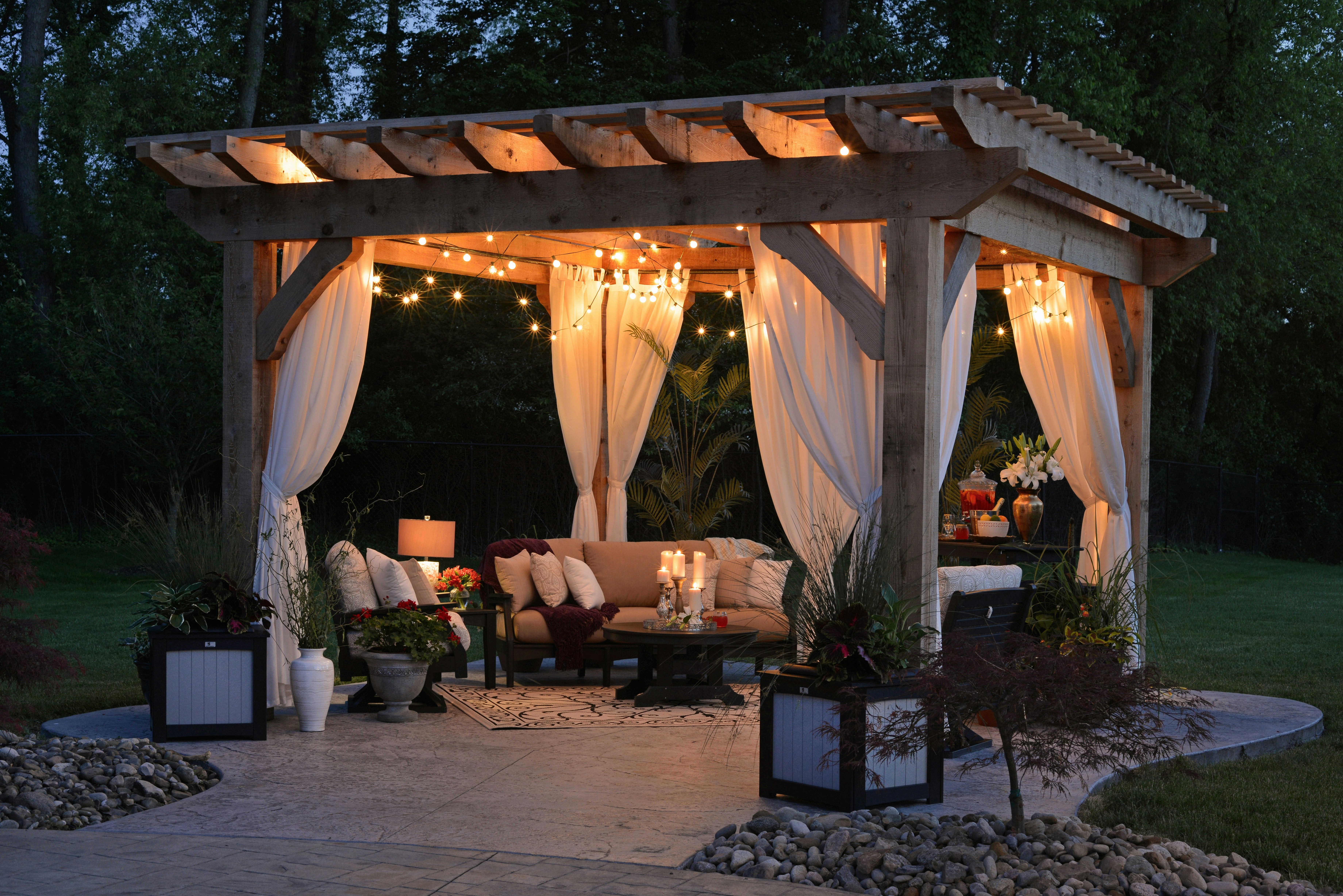
Pergolas are ideal for creating a defined outdoor living space that offers both shade and architectural interest. They can be attached to a house or freestanding in the yard, providing a stylish and functional addition to your patio, deck, or garden. Pergolas can be customized to fit your space and design preferences, with options for different sizes, shapes, materials, and finishes. You can add curtains, shades, or screens to your pergola for more privacy and protection from the elements. Whether you want to create an outdoor dining area, a lounge space, or a peaceful retreat, a pergola can help you achieve the look and feel you desire.
Trellis
Trellises are versatile structures that can be used in a variety of ways to enhance your outdoor space. They are commonly used to support climbing plants, screen unsightly areas, create privacy, or add visual interest to a wall or fence. Trellises come in different sizes, shapes, and materials, allowing you to choose the one that best suits your needs and design aesthetic. You can hang pots, baskets, or lights from a trellis to add a pop of color or create a cozy atmosphere. Whether you want to grow vegetables, flowers, or vines, a trellis can help you maximize your gardening space and create a beautiful backdrop for your outdoor activities.
Choosing the Right Materials for Your Structure
When building a custom arbor, pergola, or trellis, the materials you choose will have a significant impact on the structure’s durability, appearance, and maintenance requirements. Selecting high-quality materials that are weather-resistant, sturdy, and easy to maintain will ensure that your outdoor structure looks great and stands the test of time. Here are some popular materials to consider for each type of outdoor structure:
Arbor Materials
- Wood: Cedar, redwood, or pressure-treated pine are popular choices for arbors because they are durable, rot-resistant, and naturally beautiful. Wood can be stained, painted, or left untreated to weather naturally, depending on your preference.
- Metal: Wrought iron, steel, or aluminum arbors offer a classic, elegant look that complements both traditional and modern outdoor spaces. Metal arbors are sturdy, low-maintenance, and can be powder-coated for added protection.
- Vinyl: Vinyl arbors are lightweight, easy to clean, and resistant to rot, insects, and fading. They are available in a variety of styles and colors, making them a versatile and cost-effective option for homeowners.
Pergola Materials
- Wood: Cedar, redwood, or pressure-treated pine are popular choices for pergolas due to their durability, strength, and natural beauty. Wood pergolas can be stained, painted, or left untreated to age gracefully over time.
- Metal: Steel or aluminum pergolas offer a modern, sleek aesthetic that is durable, lightweight, and low-maintenance. Metal pergolas can be powder-coated in a variety of colors to match your outdoor decor.
- Composite: Composite materials like vinyl, fiberglass, or PVC are a versatile, long-lasting option for pergolas. They are resistant to rot, insects, and moisture, making them ideal for humid or wet climates.
Trellis Materials
- Wood: Cedar, redwood, or pressure-treated pine are popular choices for trellises because they are strong, durable, and can be stained or painted to match your outdoor decor. Wood trellises add a warm, natural touch to your garden or yard.
- Metal: Wrought iron, steel, or aluminum trellises offer a stylish, elegant look that is easy to maintain and long-lasting. Metal trellises can be powder-coated in a variety of colors to suit your design preferences.
- Plastic: PVC or vinyl trellises are lightweight, affordable, and resistant to rot, insects, and fading. They are available in various styles and colors, making them a practical and versatile choice for homeowners.
Choosing the right materials for your arbor, pergola, or trellis will depend on your budget, design preferences, and maintenance expectations. Consider the climate, sun exposure, and overall aesthetic of your outdoor space when selecting materials to ensure that your custom structure complements your home and landscaping.
Building Your Custom Structure Step by Step
Now that you’ve chosen the type of outdoor structure and materials for your project, it’s time to roll up your sleeves and start building! While the specific steps may vary depending on the design and size of your arbor, pergola, or trellis, here is a general guide to help you get started:
Preparing the Site
- Clear the area where you plan to install your structure of any debris, vegetation, or obstacles.
- Measure the space carefully to ensure that your arbor, pergola, or trellis will fit properly and be level.
- Consider any underground utilities, pipes, or cables that may be present to avoid damaging them during construction.
Digging Holes and Setting Posts
- Use a post hole digger to dig holes for the vertical posts of your structure at least 2 feet deep to provide stability.
- Insert the posts into the holes and use a level to ensure that they are plumb and straight.
- Backfill the holes with concrete or gravel to secure the posts in place and allow them to cure before proceeding.
Installing Cross Beams and Rafters
- Attach cross beams or rafters to the vertical posts using screws, brackets, or hardware that is appropriate for your chosen material.
- Space the beams evenly and securely to provide support for the roof or lattice of your structure.
- Check that the beams are level and square before proceeding to the next step.
Adding Roof or Lattice
- If building a pergola, attach slats or lattices to the cross beams to create a roof that provides shade and visual interest.
- For an arbor, add a decorative arch or top piece that complements the design of your structure.
- If building a trellis, attach the lattice panels to the framework to support climbing plants or create a privacy screen.
Finishing Touches
- Sand any rough edges, corners, or surfaces to create a smooth, finished look for your structure.
- Apply a coat of sealant, stain, or paint to protect the wood or metal from the elements and enhance its appearance.
- Add any decorative elements, plants, or lighting to personalize your structure and make it a focal point of your outdoor space.
Building a custom arbor, pergola, or trellis may require some DIY skills, tools, and assistance, depending on the complexity of the design and size of the structure. Consider hiring a professional contractor or landscaper if you are unsure about the construction process or need help with planning and executing your project. Remember to check local building codes, permits, and regulations before starting any construction to ensure compliance with safety standards and requirements.
Maintaining Your Outdoor Structure for Longevity
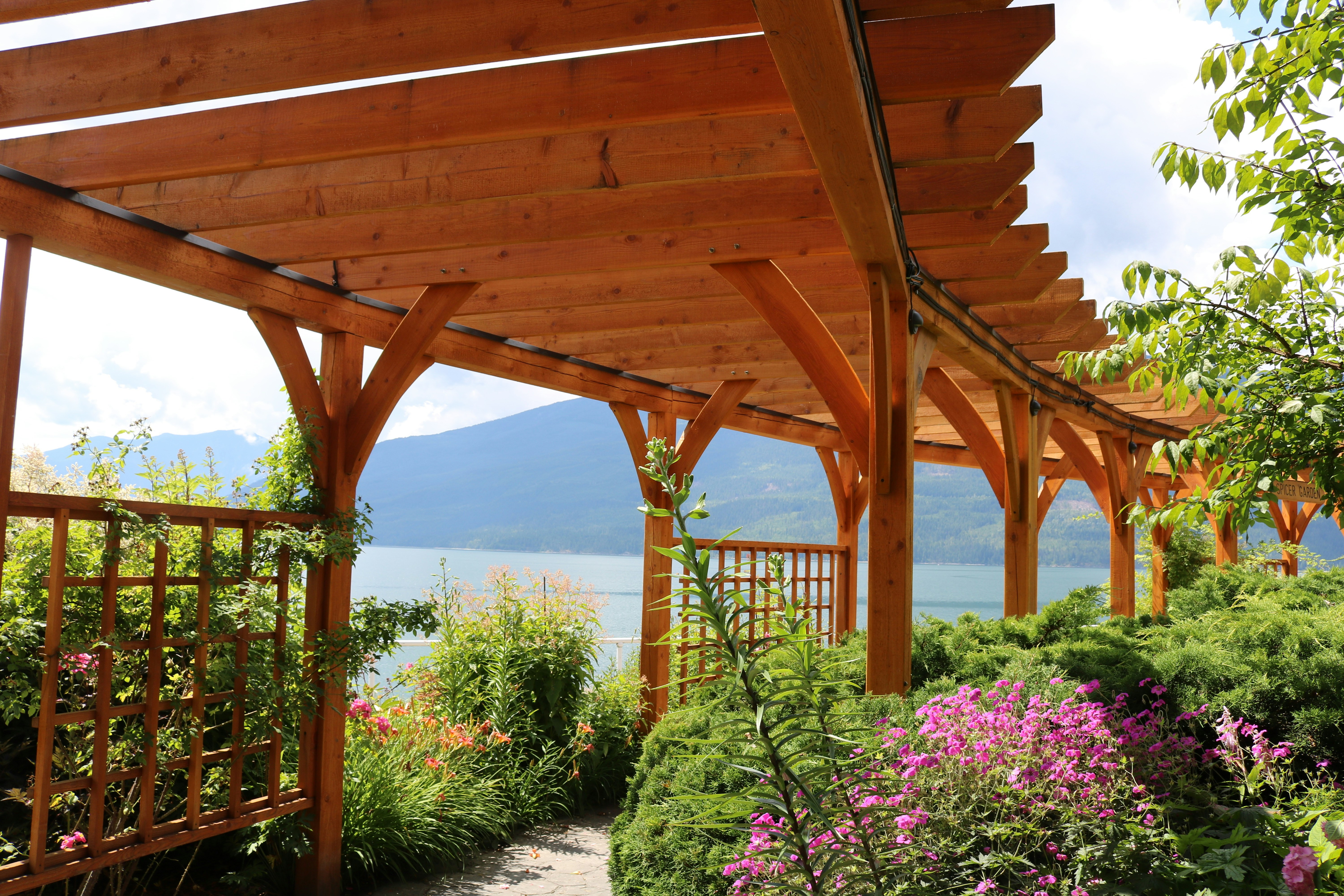
After you have built your custom arbor, pergola, or trellis, it’s essential to maintain and care for it properly to ensure its longevity and performance in your outdoor space. Regular maintenance, cleaning, and inspections will help prevent damage, rot, and deterioration, keeping your structure looking beautiful and functional for years to come. Here are some tips for maintaining your outdoor structure:
Wood Care
- Inspect your wood structure regularly for signs of rot, decay, or insect damage.
- Clean your wood arbor, pergola, or trellis with a mild detergent, water, and a soft brush to remove dirt, debris, and mold.
- Apply a fresh coat of sealant, stain, or paint every few years to protect the wood from moisture, sun exposure, and wear.
Metal Care
- Check your metal structure for rust, corrosion, or loose fasteners that may need repair or replacement.
- Clean your metal arbor, pergola, or trellis with a gentle cleaner, water, and a soft cloth to remove dirt, grime, and stains.
- Apply a rust-inhibiting primer or paint to any bare metal areas to prevent oxidation and extend the lifespan of your structure.
Plastic Care
- Wash your plastic structure with soap, water, and a sponge to remove dirt, pollen, or mildew.
- Avoid using harsh chemicals, abrasives, or pressure washers that may damage the surface of your plastic arbor, pergola, or trellis.
- Apply a UV-resistant sealant or coating to protect the plastic from sun exposure, fading, and discoloration over time.
By following these maintenance tips and caring for your outdoor structure regularly, you can enjoy its beauty, functionality, and durability for many years to come. Remember to inspect, clean, and repair your arbor, pergola, or trellis seasonally or as needed to keep it looking its best and functioning properly in your outdoor space.
Conclusion
Building a custom arbor, pergola, or trellis for your outdoor space is a rewarding and creative project that allows you to enhance your yard, garden, or patio with a beautiful, functional structure. Whether you choose an arbor to add charm, a pergola to create shade, or a trellis to support plants, each type of outdoor structure offers unique benefits and design possibilities. By understanding the differences between arbors, pergolas, and trellises, selecting the right materials, and following a step-by-step construction process, you can create a custom structure that complements your home, landscaping, and lifestyle.
Remember to plan your project carefully, enlist professional help if needed, and maintain your outdoor structure regularly to ensure its longevity and performance in all seasons. Whether you’re a seasoned DIY enthusiast or a first-time builder, building an arbor, pergola, or trellis can be a fun, fulfilling experience that transforms your outdoor space into a welcoming, stylish oasis. So, grab your tools, gather your materials, and get ready to build a custom structure that will be the envy of your neighborhood. Happy building!