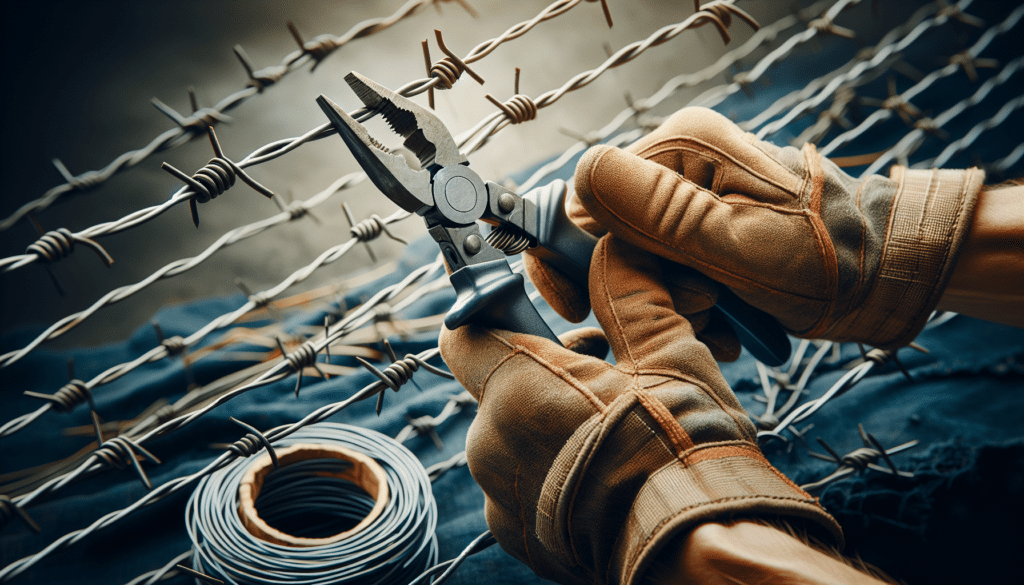
Welcome to the world of barbed wire fence-repair! In this article, you will learn all about the importance of maintaining and repairing your barbed wire fence to ensure the safety and security of your property. From identifying common issues to step-by-step instructions on how to fix them, you will become a pro at keeping your fence in top shape. Say goodbye to the worries of broken wires or sagging posts, and hello to a sturdy and reliable fence that will protect your land for years to come. Let’s get started on making your barbed wire fence as strong as ever! Have you been struggling to maintain your barbed wire fence? No need to worry, you’re not alone! In this article, we will guide you through the process of properly repairing and maintaining your barbed wire fence. With some basic tools and a little bit of know-how, you’ll have your fence looking good as new in no time. Let’s get started!
Understanding Barbed Wire Fences
Barbed wire fences are a common type of fencing used on farms, ranches, and properties to keep animals in or out of certain areas. They are made up of a series of wire strands twisted together and have sharp barbs spaced along the wire to deter animals from attempting to cross.
Understanding the components of a barbed wire fence is critical to properly repairing it. The main components of a barbed wire fence include:
-
Posts: These are the vertical structures that hold the fence in place and provide stability. They can be made of wood, metal, or concrete.
-
Wire: The wire strands make up the bulk of the fence and are typically made of galvanized steel to prevent rust and corrosion.
-
Clips: These are used to attach the wire to the posts securely.
-
Barbs: The sharp points spaced along the wire to deter animals from coming into contact with the fence.
What Causes Barbed Wire Fences to Break?
There are several reasons why barbed wire fences may break or become damaged over time. Some common causes of damage include:
- Rust: Over time, the wire strands can rust and weaken, leading to breaks or sagging.
- Weathering: Exposure to the elements, such as rain, snow, and sun, can cause the wire to deteriorate.
- Animal Damage: Animals, such as cows, horses, or wildlife, may rub against the fence, causing it to break or come loose.
- Poor Maintenance: Lack of maintenance, such as not replacing broken wires or loose posts, can lead to the overall deterioration of the fence.
Understanding what causes your barbed wire fence to break can help you identify the root cause of the damage and take appropriate measures to repair and prevent future issues.
Tools and Materials Needed
Now that you understand the components of a barbed wire fence and what can cause it to break, let’s talk about the tools and materials you’ll need to repair it. Here’s a list of essential tools and materials for repairing a barbed wire fence:
Tools:
- Fence pliers
- Wire cutters
- Hammer
- Stapling tool
- Post driver
- Gloves
Materials:
- Replacement wire
- Clips
- Barbed wire
- Fence staples
- T-posts or wooden posts
- Gloves
Having the right tools and materials on hand will make the repair process much more manageable and efficient. If you don’t already have these items, you can easily find them at your local hardware store or online.
Step-by-Step Guide to Repairing a Barbed Wire Fence
Repairing a barbed wire fence may seem like a daunting task, but with the right tools and know-how, you can tackle it like a pro. Follow these step-by-step instructions to repair your barbed wire fence:
Step 1: Assess the Damage
The first step in repairing your barbed wire fence is to assess the extent of the damage. Walk along the fence line and look for any broken wires, loose posts, or damaged clips. Take note of any areas that need attention so you can address them systematically.
Step 2: Gather Your Tools and Materials
Once you have identified the areas that need repair, gather your tools and materials in one place. Having everything you need on hand will make the repair process smoother and more efficient.
Step 3: Remove the Damaged Wire
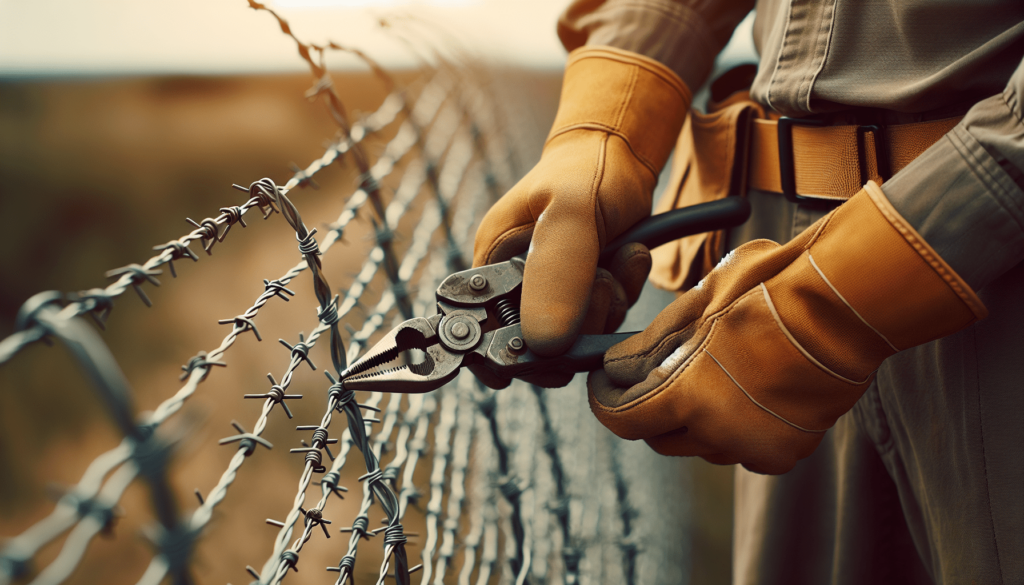
Using your wire cutters, carefully cut away the damaged wire strands from the fence. Be sure to wear gloves to protect your hands from the sharp barbs.
Step 4: Secure the Wire to the Post
Once the damaged wire has been removed, use fence staples or clips to secure the new wire to the post. Make sure the wire is taut and properly aligned with the existing fence line.
Step 5: Replace Broken Posts
If you have any broken or loose posts, use a post driver to hammer them back into the ground or replace them with new ones. Properly secured posts are essential for the stability and longevity of your fence.
Step 6: Attach Barbed Wire
After securing the new wire to the posts, carefully attach the barbed wire to the fence. Use fence clips or staples to secure the wire in place, making sure the barbs are facing outward to deter animals.
Step 7: Test the Fence
Once you have completed the repairs, walk along the fence line and give it a gentle shake to ensure it is stable and secure. Test the tension of the wire by pressing down on it with your hand – it should feel firm and not sagging.
By following these step-by-step instructions, you can effectively repair your barbed wire fence and ensure the safety and security of your property.
Preventative Maintenance Tips
Preventing damage to your barbed wire fence is just as important as repairing it. Here are some preventative maintenance tips to help keep your fence in top condition:
Regular Inspections
Periodically inspect your fence for any signs of damage, such as loose wires, broken posts, or rust. Catching potential issues early can help prevent more extensive damage in the future.
Trim Vegetation
Keep vegetation, such as grass, weeds, and bushes, trimmed back from the fence line. Overgrown vegetation can cause the wire to deteriorate more quickly and provide an easy pathway for animals to breach the fence.
Repair Promptly
If you notice any damage to your fence, such as broken wires or loose posts, repair it promptly. Ignoring small issues can lead to more significant problems down the line and may require more extensive repairs.
Apply Rust Inhibitor
To prevent rust and corrosion, consider applying a rust inhibitor to the wire strands. This can help extend the life of your fence and reduce the risk of damage over time.
By following these preventative maintenance tips, you can prolong the life of your barbed wire fence and ensure it remains strong and secure for years to come.
Conclusion
Repairing and maintaining a barbed wire fence may seem intimidating, but with the right tools and knowledge, you can tackle it with confidence. By following the step-by-step guide outlined in this article and implementing preventative maintenance tips, you can keep your fence in top condition and ensure the safety and security of your property.
Remember, a well-maintained fence not only enhances the appearance of your property but also provides essential protection for your livestock and crops. So roll up your sleeves, grab your tools, and get to work repairing that barbed wire fence – you’ve got this!