If you’re looking to beat the heat and improve air circulation in your home, consider installing an attic or whole house fan. These fans can help reduce energy costs, improve indoor air quality, and create a more comfortable living environment. Whether you choose to install a fan in your attic or opt for a whole house system, you’ll be sure to enjoy the benefits of better airflow and a cooler home. So don’t delay, make the smart choice to upgrade your home’s ventilation system today! Have you been considering installing a fan in your home to help with ventilation and cooling during the warmer months? Choosing between an attic fan or a whole house fan can be a tough decision, but it ultimately comes down to your specific needs and the layout of your home. In this article, we will discuss the differences between the two types of fans, the installation process for each, and the benefits of each option. By the end, you should have a better understanding of which fan would be best for your home.
Attic Fan vs. Whole House Fan: What’s the Difference?
If you’re unfamiliar with the differences between an attic fan and a whole house fan, don’t worry – we’ve got you covered. An attic fan is typically installed in the attic space of your home and is designed to remove hot air and moisture from the attic, helping to keep your home cooler and prevent mold and mildew growth. On the other hand, a whole house fan is installed in a central location in your home, such as a hallway or stairwell, and is designed to pull cool air from outside into your home while pushing hot air out through the attic. Both fans can be effective at keeping your home comfortable, but they work in slightly different ways.
Attic Fan
Attic fans are a great option for homeowners looking to reduce their energy bills during the summer months. By removing hot air and moisture from the attic, an attic fan can help reduce the workload on your air conditioning system, leading to lower energy costs. Attic fans are also relatively easy to install, especially if you already have an existing electrical connection in your attic.
Whole House Fan
Whole house fans, on the other hand, are a great option for homeowners looking to cool their entire home quickly and efficiently. By pulling cool air from outside and pushing hot air out through the attic, a whole house fan can help lower the temperature in your home in a matter of minutes. Whole house fans are often more powerful than attic fans and can be a great option for larger homes or homes with multiple levels.
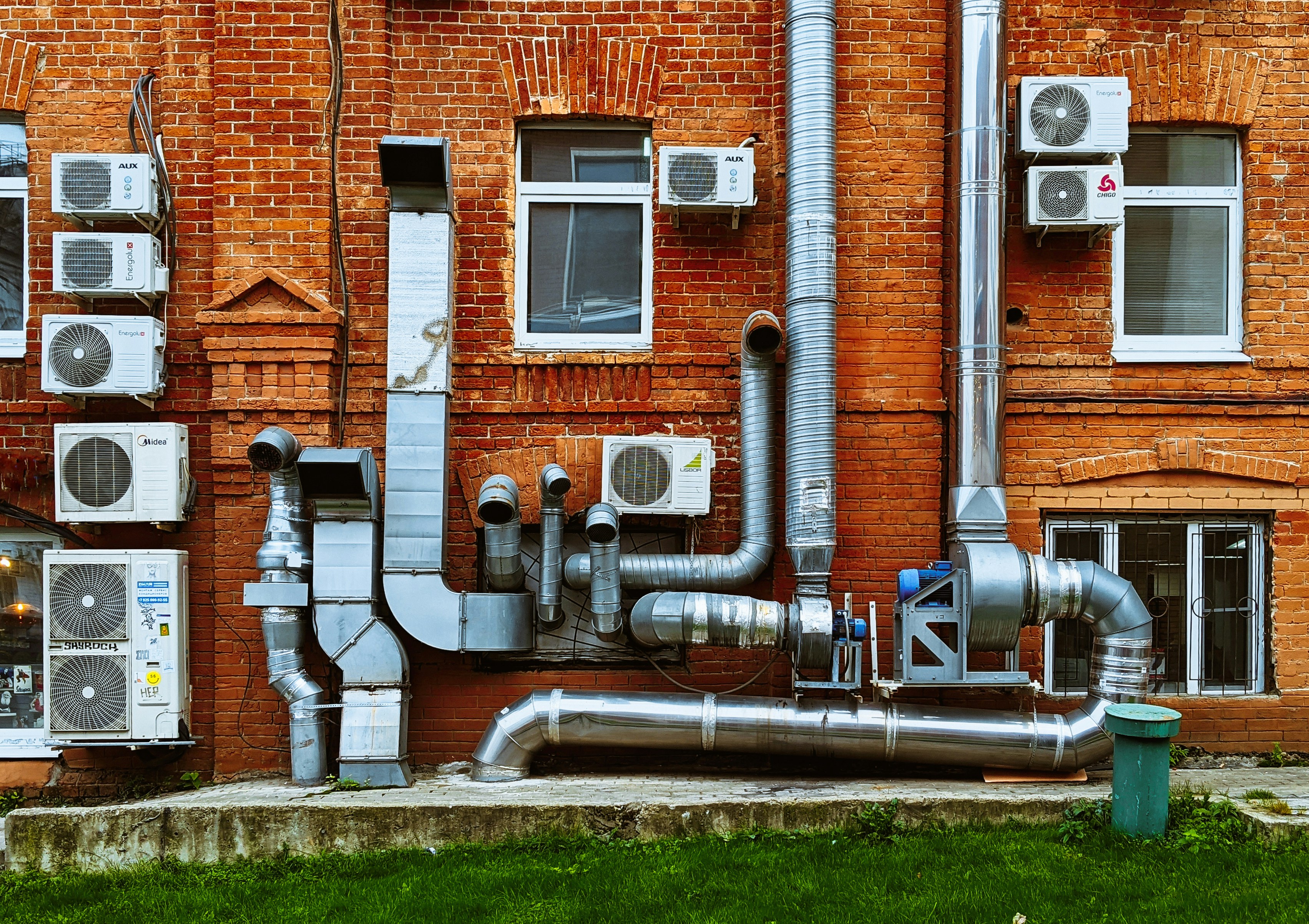
Installation Process: Attic Fan vs. Whole House Fan
When it comes to installing an attic fan or a whole house fan, the process can vary significantly. In this section, we will discuss the general steps involved in installing each type of fan, so you can decide which option would be best for your home.
Attic Fan Installation
- Choose the Right Location: The first step in installing an attic fan is to determine the best location for the fan in your attic. You’ll want to choose a spot that will allow the fan to effectively remove hot air and moisture from the attic while minimizing noise inside your home.
- Cut a Hole in the Roof: Once you’ve chosen a location for the fan, you’ll need to cut a hole in your roof that is the same size as the fan. This can be a tricky step, so it’s best to hire a professional if you’re not comfortable working on your roof.
- Install the Fan: Once the hole is cut, you can install the fan in the opening and secure it in place according to the manufacturer’s instructions.
- Connect the Electrical: Finally, you’ll need to connect the fan to an electrical source in your attic to power the fan. If you don’t already have an electrical connection in your attic, you may need to hire an electrician to install one.
Whole House Fan Installation
- Choose the Central Location: The first step in installing a whole house fan is to choose a central location in your home where the fan will be installed. This is typically a hallway or stairwell that is centrally located on the main floor of your home.
- Cut a Hole in the Ceiling: Next, you’ll need to cut a hole in your ceiling that is the same size as the fan. This can be a messy process, so make sure to protect your furniture and floors before you start cutting.
- Install the Fan: Once the hole is cut, you can install the fan in the opening and secure it in place according to the manufacturer’s instructions.
- Connect the Electrical: Finally, you’ll need to connect the fan to an electrical source in your home to power the fan. This may require running wiring through your walls and ceiling, so it’s best to hire an electrician if you’re not comfortable with electrical work.

Benefits of Attic Fan vs. Whole House Fan
Both attic fans and whole house fans have their own unique benefits, depending on your specific needs and the layout of your home. In this section, we will discuss the benefits of each type of fan, so you can make an informed decision.
Benefits of Attic Fan
- Lower Energy Costs: By removing hot air and moisture from the attic, an attic fan can help reduce the workload on your air conditioning system, leading to lower energy bills.
- Prevent Mold and Mildew: Attic fans can help prevent mold and mildew growth in your attic by reducing the humidity levels, which can extend the life of your roof and attic insulation.
Benefits of Whole House Fan
- Quick Cooling: Whole house fans can cool your entire home quickly and efficiently by pulling cool air from outside and pushing hot air out through the attic. This can be especially helpful during the evening and early morning hours.
- Cost-Effective Cooling: Whole house fans are often more cost-effective to run than air conditioning systems, making them a great option for homeowners looking to save on their energy bills.
In conclusion, choosing between an attic fan and a whole house fan ultimately depends on your specific needs and the layout of your home. If you’re looking to reduce your energy bills and prevent mold and mildew growth, an attic fan may be the best option for you. On the other hand, if you’re looking to cool your entire home quickly and efficiently, a whole house fan may be the better choice. Whichever option you choose, both attic fans and whole house fans can help keep your home comfortable during the warmer months.