Welcome to the ultimate guide on installing basement drainage channels! In this article, you will learn all about the importance of proper drainage in your basement and the steps involved in installing drainage channels to prevent water damage and moisture issues. Whether you’re a seasoned DIY enthusiast or a novice homeowner looking to protect your basement, this comprehensive guide will provide you with the knowledge and tips you need to successfully install basement drainage channels. Let’s get started on ensuring a dry and healthy basement for years to come!
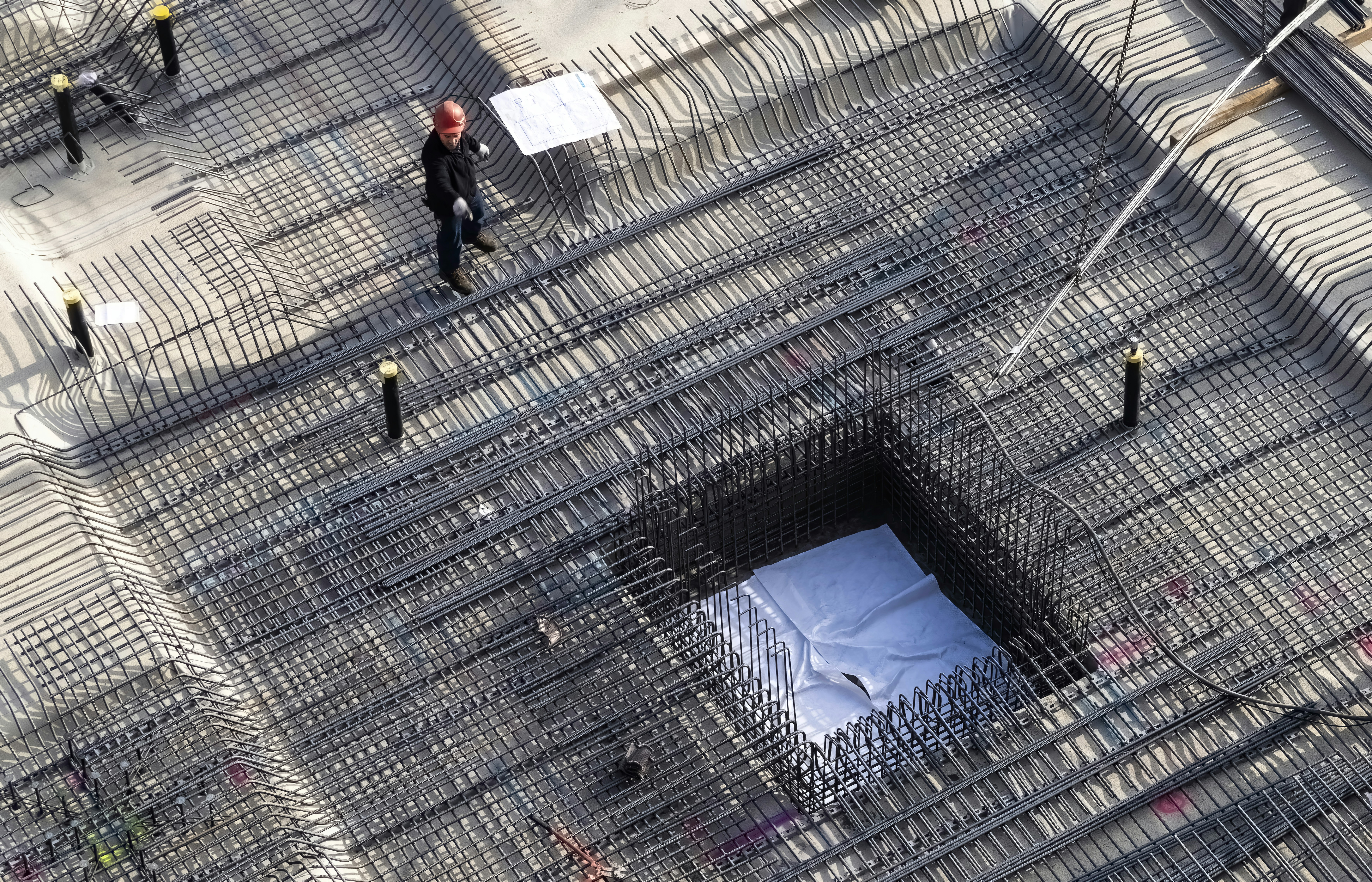
Have you been experiencing water seepage issues in your basement?
Hey there, if you’ve been noticing water issues in your basement, you’re not alone. It can be frustrating to deal with water seepage problems, but there are solutions out there. One effective way to address basement water problems is by installing drainage channels. In this article, we’ll guide you through the process of installing basement drainage channels.
What are basement drainage channels?
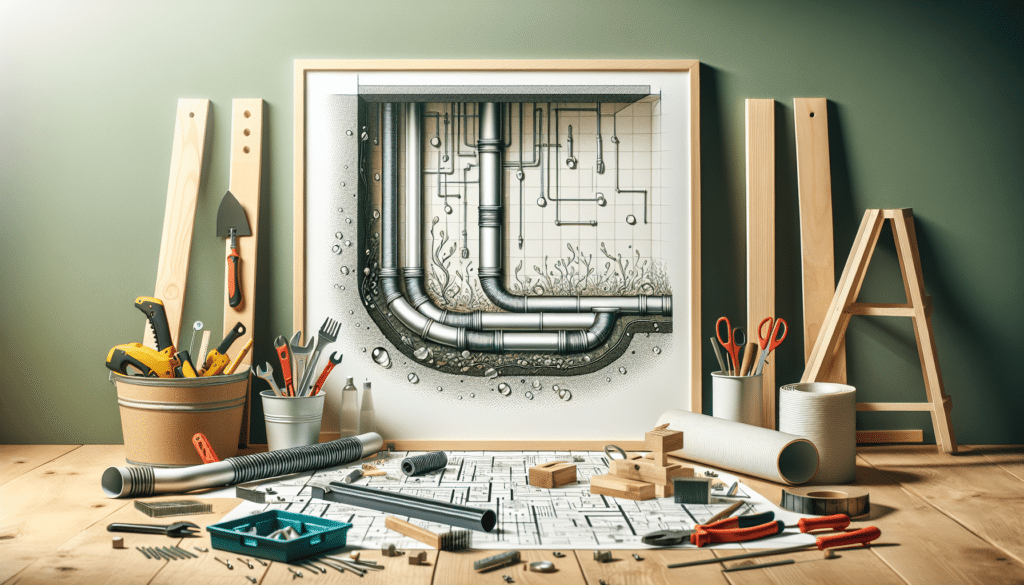
Before diving into the installation process, let’s talk about what exactly basement drainage channels are. Basement drainage channels are systems designed to collect and channel water away from your basement, preventing water seepage issues. They are typically installed around the perimeter of the basement floor to capture any water that might infiltrate the space.
Why should you consider installing basement drainage channels?
Basement drainage channels offer several benefits, including:
- Preventing water damage to your basement walls and floors
- Reducing the risk of mold and mildew growth
- Protecting your belongings stored in the basement from water damage
- Improving the overall air quality in your home

Planning for the installation process
Now that you understand the importance of basement drainage channels, it’s time to start planning for the installation process. Here are some steps to help you get started:
Assess your basement’s drainage needs
Before installing drainage channels, it’s crucial to assess your basement’s drainage needs. Take a close look at the areas where water is seeping in and identify any existing drainage issues. This will help you determine the best placement for the drainage channels.
Determine the type of drainage channel system
There are various types of basement drainage channel systems available on the market, including:
| Type of Drainage Channel System | Description |
|---|---|
| Interior French Drain | Installed inside the basement along the perimeter to capture and redirect water. |
| Exterior Drainage System | Installed outside the foundation wall to collect and divert water away from the basement. |
| Baseboard Drainage System | Installed along the base of the basement walls and connected to a sump pump to remove collected water. |
Consider the layout of your basement, the severity of water seepage, and your budget when choosing the right drainage channel system for your needs.
Create a budget and timeline
Installing basement drainage channels can be a significant investment, so it’s essential to create a budget and timeline for the project. Factor in the cost of materials, labor, and any additional expenses that may arise during the installation process. It’s also crucial to set a realistic timeline to ensure the project stays on track.

Tools and materials needed for installation
Now that you’ve planned out the installation process, let’s talk about the tools and materials you’ll need to get started. Here’s a list of essential items for installing basement drainage channels:
- Drainage channels (PVC, plastic, or metal)
- Sump pump (if required)
- Downspout extensions
- Waterproof sealant
- Shovel
- Tape measure
- Level
- Safety glasses and gloves
- Concrete saw (if cutting is necessary)
Make sure to gather all the necessary tools and materials before starting the installation process.

Step-by-step guide to installing basement drainage channels
With the right tools and materials in hand, you’re ready to start installing basement drainage channels. Follow these steps to ensure a successful installation:
Step 1: Prepare the basement floor
Start by clearing out any items or debris from the perimeter of the basement floor. Use a shovel to remove any excess dirt or debris to create a clean work area for installation.
Step 2: Mark the perimeter for the drainage channels
Using a tape measure and a level, mark the perimeter of the basement floor where the drainage channels will be installed. Make sure the channels will slope towards the designated drainage outlet to allow water to flow away from the basement.
Step 3: Cut the concrete floor (if necessary)
If you’re installing an interior French drain system, you may need to cut into the concrete floor to create a trench for the drainage channels. Use a concrete saw to make precise cuts according to the marked perimeter.
Step 4: Install the drainage channels
Place the drainage channels along the perimeter of the basement floor, ensuring they fit snugly and securely. Connect the channels as needed to create a continuous system that will collect and redirect water away from the basement.
Step 5: Connect the drainage channels to the designated outlet
Once the drainage channels are in place, connect them to the designated drainage outlet. This could be a sump pump, exterior drainage system, or another drainage solution depending on your basement’s needs.
Step 6: Seal and test the drainage system
Finally, seal the joints and connections of the drainage channels with waterproof sealant to prevent leaks. Test the system by pouring water into the channels and checking that it flows smoothly towards the drainage outlet.
Final thoughts
Congratulations, you’ve successfully installed basement drainage channels to address water seepage issues in your basement. By taking the time to plan, gather the necessary tools and materials, and follow the installation steps, you’ve helped protect your basement from water damage and mold growth. Remember to perform regular maintenance on your drainage system to ensure it continues to function effectively. If you have any questions or need further assistance, don’t hesitate to reach out to a professional for guidance. Your basement will thank you for it!