Welcome to the world of drywall repair! In this article, you will learn all about the importance of proper drywall maintenance and the key steps to successfully repairing any damage that may occur. From small holes to water damage, we have got you covered with expert tips and tricks to restore your walls to their former glory. Say goodbye to unsightly cracks and dents, and hello to a smooth and flawless finish. Let’s get started on your journey to a beautifully repaired drywall! Have you ever faced the frustration of a hole in your drywall, whether from accidentally bumping into it or hanging a picture? You’re not alone! Instead of feeling overwhelmed, let’s dive into the world of drywall repair together. You’ll be amazed at how easy and cost-effective it can be to fix those unsightly holes and cracks in your walls.
Understanding Drywall
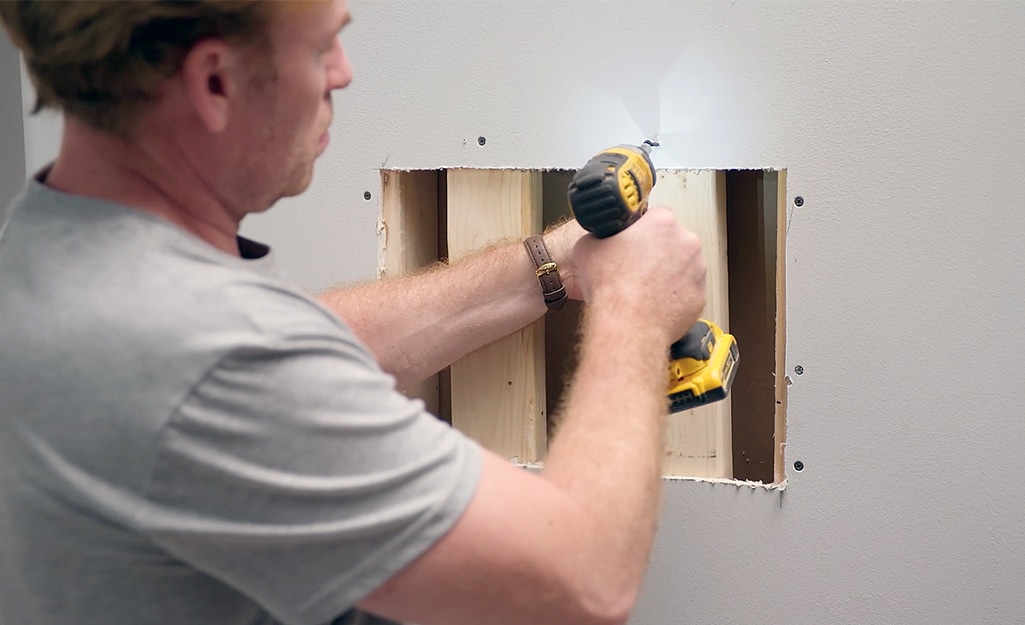
You’ve probably heard of drywall but might not know exactly what it is. Drywall, also known as plasterboard or wallboard, is a material used to create interior walls and ceilings in homes and buildings. It’s made of gypsum plaster sandwiched between two layers of paper. Drywall is lightweight, easy to install, and provides a smooth surface for painting or wallpapering.
Types of Drywall
There are different types of drywall to suit various needs and preferences. Here are some common types you might come across:
| Type | Description |
|---|---|
| Standard drywall | The most common type of drywall, suitable for most residential and commercial applications. |
| Moisture-resistant | Contains additives to make it resistant to moisture, ideal for bathrooms, kitchens, and laundry rooms. |
| Fire-resistant | Contains special materials to increase fire resistance, commonly used in garages, basements, and attics. |
| Soundproof | Includes extra layers to reduce sound transmission, perfect for bedrooms, home theaters, and music studios. |
Understanding the different types of drywall will help you choose the right one for your repair needs.
Tools and Materials
Before you start repairing your drywall, make sure you have the right tools and materials on hand. Here’s a list of what you’ll need:
- Spackle or joint compound
- Putty knife
- Sandpaper
- Drywall patch
- Mesh tape
- Utility knife
- Paint and primer
- Paintbrush or roller
Having these items readily available will make the repair process smoother and more efficient.
Choosing the Right Patch
When it comes to repairing drywall holes, you have a few options for patches. Here are some common types of patches you can use:
| Patch Type | Description |
|---|---|
| Self-adhesive patch | A quick and easy solution with adhesive backing for simple repairs. |
| Mesh patch | Made of fiberglass mesh for added strength and durability, ideal for larger holes or cracks. |
| Heart-shaped patch | Shaped like a heart for a seamless repair of small holes, offers a simple and effective solution. |
Selecting the right patch will depend on the size and location of the hole you’re repairing.
Patching Small Holes
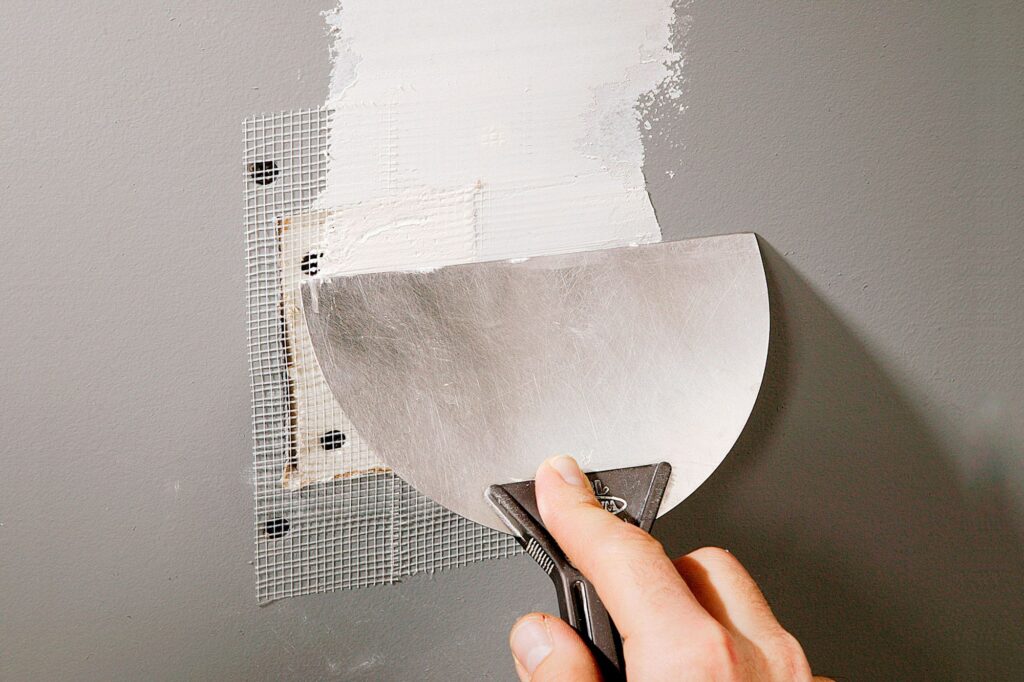
Small holes in drywall are a common occurrence, whether from nails, screws, or accidental damage. Here’s a step-by-step guide to patching small holes:
- Clean the area around the hole to remove any debris or loose material.
- Apply spackle or joint compound to the hole using a putty knife, filling it in completely.
- Smooth out the excess spackle with the putty knife and let it dry according to the product instructions.
- Sand the patched area until it’s smooth and flush with the rest of the wall.
- Apply a coat of primer and paint to match the surrounding wall.
Patching small holes is a quick and easy fix that can be done in no time with the right tools and materials.
Repairing Large Holes
Large holes in drywall can be a bit more challenging to repair but are still manageable with the right approach. Here’s how to repair large holes in your drywall:
- Cut a square around the damaged area using a utility knife, making sure to remove any loose or damaged material.
- Measure and cut a piece of drywall patch slightly larger than the hole to fit snugly inside.
- Attach the patch to the wall using screws or adhesive, making sure it’s flush with the surrounding wall.
- Cover the seams with mesh tape and apply spackle or joint compound to smooth out the edges.
- Sand the patched area, apply primer, and paint to finish the repair.
Repairing large holes may take a bit more time and effort, but with patience and attention to detail, you can achieve professional-looking results.
Dealing with Cracks
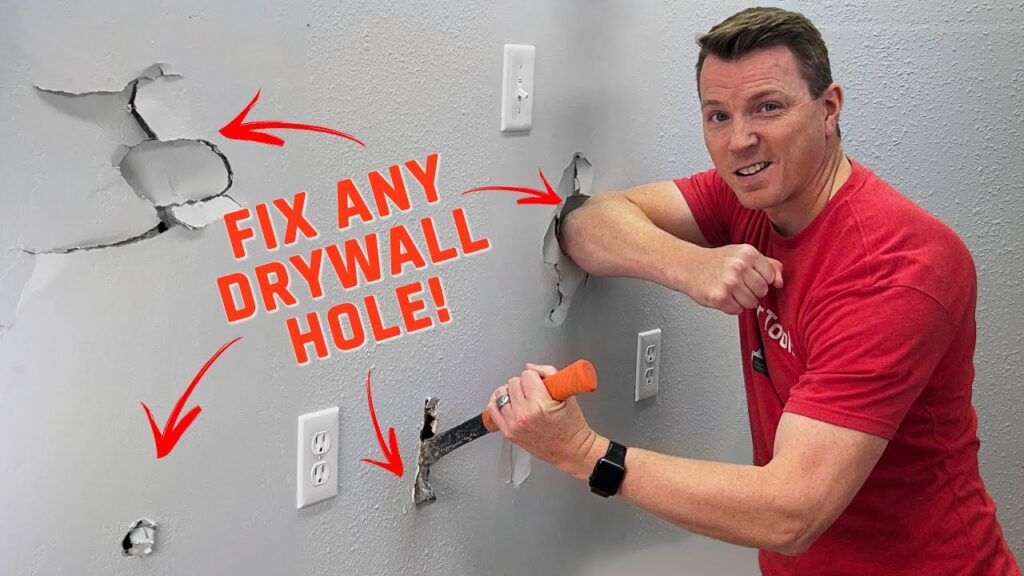
Cracks in drywall are not only unsightly but can also be a sign of underlying structural issues. Here’s how to deal with cracks in your drywall:
- Clean out the crack with a putty knife to remove any debris or loose material.
- Fill the crack with spackle or joint compound, making sure to push it deep into the crack for a solid repair.
- Smooth out the excess compound with the putty knife and let it dry completely.
- Sand the area to smooth out any rough edges and blend it with the surrounding wall.
- Apply primer and paint to finish the repair, ensuring a seamless finish.
Dealing with cracks in your drywall is important to prevent further damage and maintain the structural integrity of your walls.
Tips for a Professional Finish
Achieving a professional-looking finish when repairing drywall takes practice and attention to detail. Here are some tips to help you get that polished look:
- Use a light touch when applying spackle or joint compound to avoid excess buildup.
- Sand the patched area gently in a circular motion to ensure a smooth and even finish.
- Feather out the edges of the patch to blend it seamlessly with the surrounding wall.
- Apply multiple thin coats of compound rather than one thick coat for a smoother finish.
- Prime the patched area before painting to ensure proper adhesion and color matching.
By following these tips and techniques, you can achieve a professional finish that will make your drywall repairs virtually invisible.
Conclusion
Repairing drywall doesn’t have to be a daunting task. With the right tools, materials, and techniques, you can tackle holes, cracks, and other damage with confidence. Remember to take your time, follow instructions carefully, and practice patience for the best results. You’ll be amazed at how easy and rewarding drywall repair can be, turning those unsightly blemishes into seamless finishes. Happy repairing!