Welcome to the world of cozy and efficient heating options for your home! Whether you’re considering a gas, pellet, or wood stove installation, you’re in for a toasty treat. Each type of stove comes with its own unique perks and considerations, so it’s important to weigh your options carefully. From the convenience of a gas stove to the eco-friendly appeal of a wood stove, you’re sure to find the perfect fit for your living space. Let’s explore the ins and outs of each type of stove to help you make the best choice for your home. Have you been considering installing a gas, pellet, or wood stove in your home, but you’re not sure which option is right for you? Not to worry, you’re in the right place! In this article, we will break down the differences between gas, pellet, and wood stoves to help you make an informed decision on which type of stove is best suited for your needs. So sit back, relax, and let’s dive in!
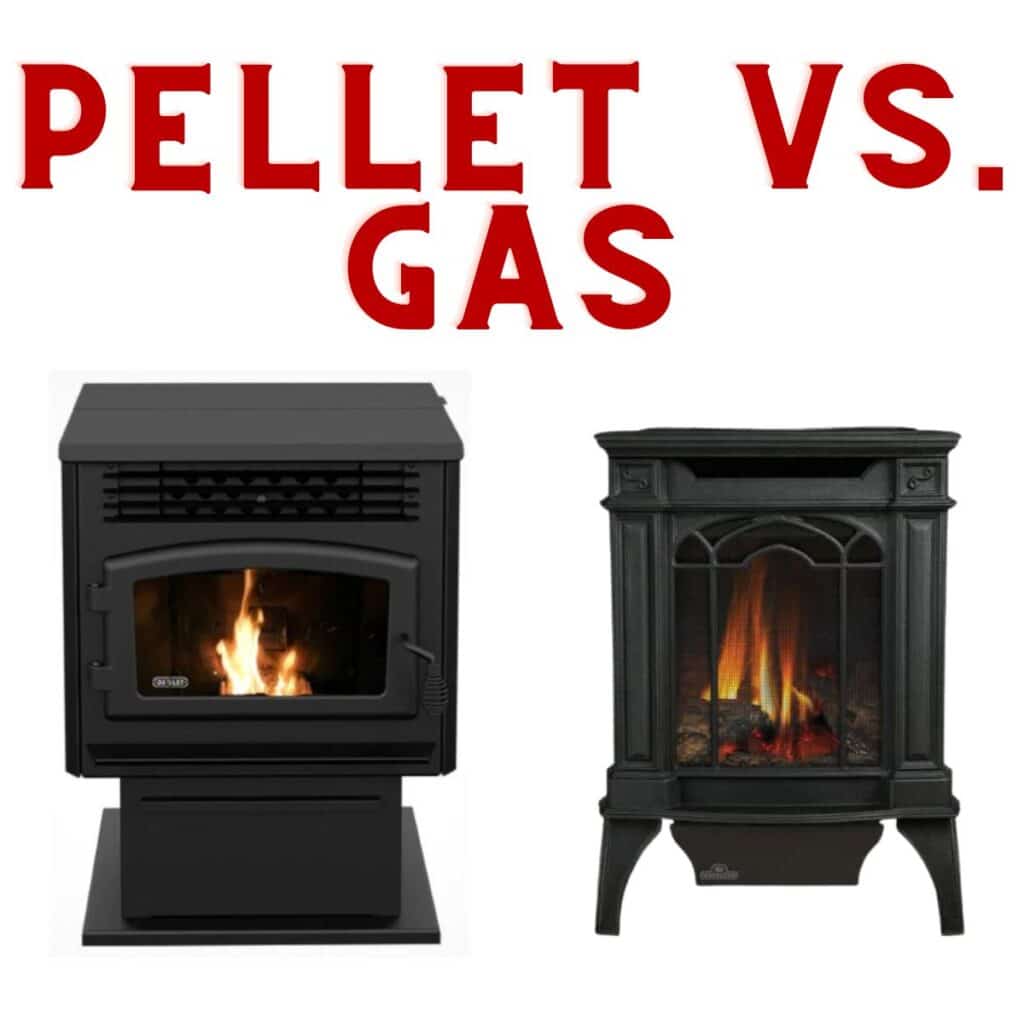
Gas Stove Installation
So, you’re thinking about installing a gas stove in your home? Gas stoves are a popular choice for many homeowners due to their convenience, energy efficiency, and low maintenance. Let’s take a closer look at what you can expect during the installation process of a gas stove.
Gas stoves can be vented or vent-free, with vented stoves requiring a chimney or vent pipe to safely expel combustion gases outside, while vent-free stoves release heat into the room. When installing a vented gas stove, it’s important to have a professional make sure the chimney or vent pipe is properly sized and installed to prevent any potential hazards. Vent-free gas stoves are easier to install since they don’t require a chimney, but they do release byproducts into the home, so proper ventilation is key.
Steps for Installing a Gas Stove
- Choose the location: Select a spot in your home where the gas stove will be installed, keeping in mind clearance requirements and safety protocols.
- Prepare the space: Clear the area where the stove will be placed, ensuring there are no combustible materials nearby.
- Gas connection: Have a licensed professional install a gas line to supply the stove with fuel. This step is crucial for safety reasons.
- Venting: If installing a vented gas stove, make sure the chimney or vent pipe is properly sized and installed by a professional.
- Testing: Once the stove is installed, test it to ensure it is functioning properly and safely.
- Enjoy: Once everything is up and running, sit back and enjoy the warmth and ambiance of your new gas stove!
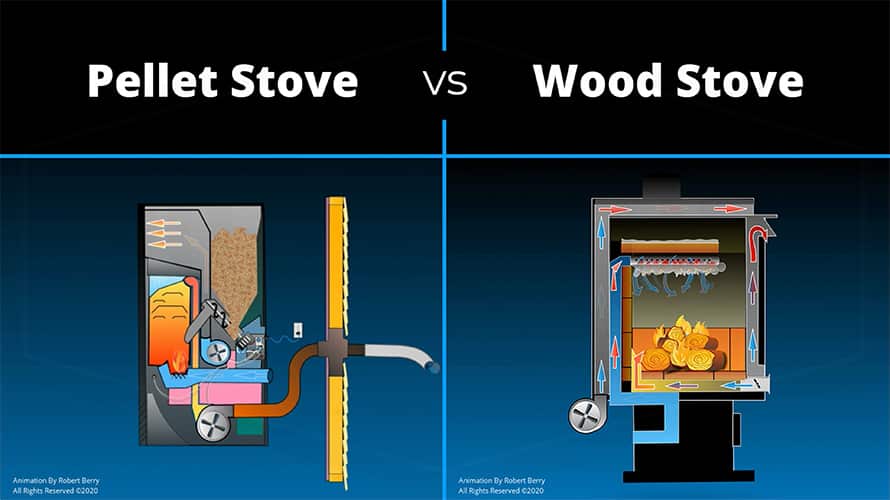
Pellet Stove Installation
Looking for a more eco-friendly heating option? A pellet stove might be the right choice for you! Pellet stoves burn compressed wood pellets as fuel, making them a sustainable and efficient heating solution. Let’s explore what you can expect during the installation process of a pellet stove.
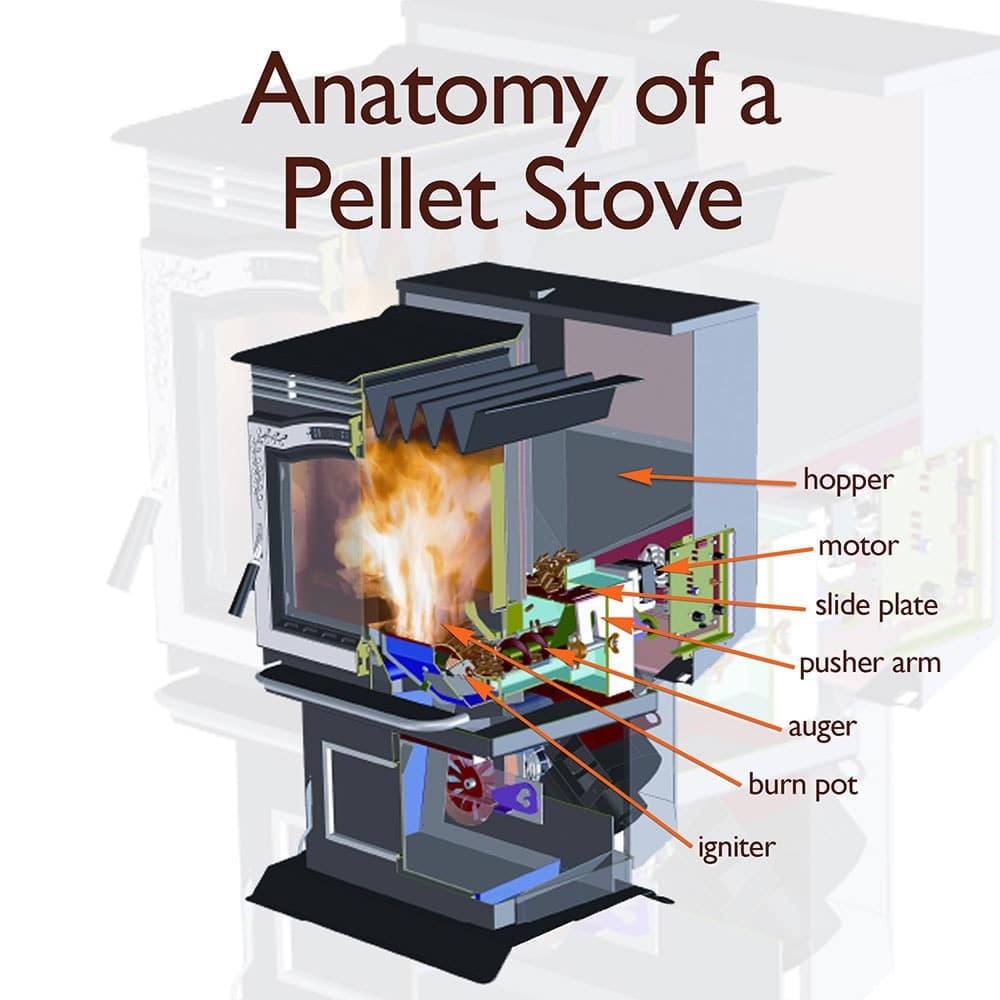
Pellet stoves require a flue pipe to vent combustion gases outside, so it’s essential to have the flue pipe installed correctly to prevent any potential hazards. Additionally, you’ll need to have easy access to an electrical outlet since pellet stoves require electricity to operate the auger and blower.
Steps for Installing a Pellet Stove
- Select the location: Choose a suitable spot for the pellet stove with proper clearance from walls, furniture, and other combustible materials.
- Prepare the area: Clear the space where the stove will be placed, ensuring there is easy access to an electrical outlet.
- Flue pipe installation: Have a professional install the flue pipe to safely vent combustion gases outside.
- Electrical connection: Plug the pellet stove into an electrical outlet to power the auger and blower.
- Test the stove: Once the stove is installed, test it to ensure it is working correctly and effectively heating your space.
- Enjoy the warmth: Sit back, relax, and enjoy the cozy warmth of your new pellet stove!
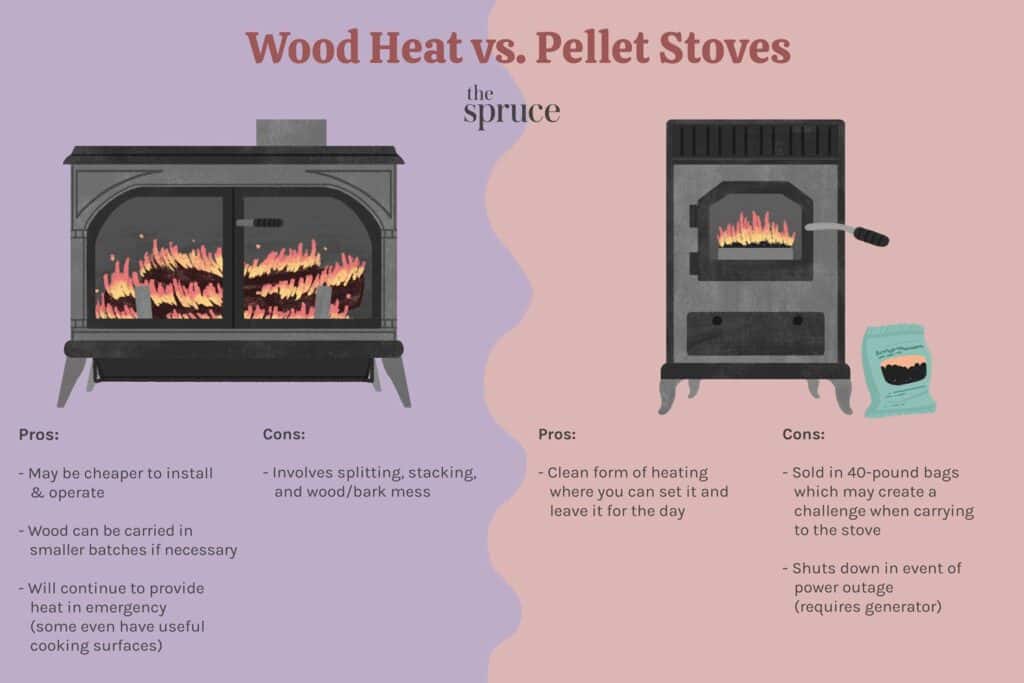
Wood Stove Installation
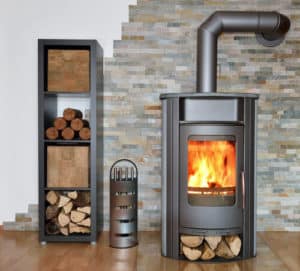
If you’re a fan of the traditional warmth and ambiance of a wood-burning stove, then a wood stove installation might be the perfect choice for you. Wood stoves are known for their classic look and feel, as well as their ability to heat large spaces efficiently. Let’s delve into what you need to know about installing a wood stove in your home.
Wood stoves require a chimney for venting, so it’s crucial to have the chimney properly installed and in good condition to ensure safe operation. Additionally, you’ll need to have a clear space around the stove to prevent any potential fire hazards.
Steps for Installing a Wood Stove
- Choose the location: Select a spot for the wood stove with proper floor protection and clearance from walls and combustible materials.
- Install the chimney: Have a professional install a chimney for venting combustion gases outside safely.
- Floor protection: Place a non-combustible material, such as a hearth pad, beneath the wood stove to protect the floor from heat.
- Fire safety: Ensure there is a clear space around the stove and follow all fire safety guidelines to prevent accidents.
- Seasoned wood: Use well-seasoned wood to prevent creosote buildup in the chimney and ensure efficient burning.
- Enjoy the ambiance: Sit back, relax, and bask in the cozy warmth and comforting crackle of your new wood stove!
Comparison of Gas, Pellet, and Wood Stoves
Now that we’ve explored the installation process for gas, pellet, and wood stoves, let’s compare these three heating options based on various factors, such as cost, efficiency, maintenance, and environmental impact.
| Factors | Gas Stove | Pellet Stove | Wood Stove |
|---|---|---|---|
| Cost | Moderate | Moderate | Moderate-High |
| Efficiency | High | High | Moderate |
| Maintenance | Low | Moderate | High |
| Environmental Impact | Low | Moderate | Moderate-High |
Cost:
- Gas Stove: Gas stoves typically fall into the moderate price range, making them a popular choice for homeowners looking for a balance between cost and efficiency.
- Pellet Stove: Pellet stoves also fall into the moderate price range, with the added benefit of using sustainable wood pellets as fuel.
- Wood Stove: Wood stoves can range from moderate to high in cost, depending on the size and design of the stove.
Efficiency:
- Gas Stove: Gas stoves are highly efficient, with most models boasting efficiency ratings of 70% to 90%.
- Pellet Stove: Pellet stoves are also known for their high efficiency, with ratings ranging from 70% to 83%.
- Wood Stove: Wood stoves are generally less efficient than gas and pellet stoves, with efficiency ratings typically around 60% to 80%.
Maintenance:
- Gas Stove: Gas stoves require minimal maintenance, with occasional inspections and cleaning of the vent pipe.
- Pellet Stove: Pellet stoves require more maintenance than gas stoves, including regular cleaning of the burn pot and ash removal.
- Wood Stove: Wood stoves require the most maintenance, with regular cleaning of the chimney and removal of creosote buildup to prevent chimney fires.
Environmental Impact:
- Gas Stove: Gas stoves have a low environmental impact, emitting lower levels of greenhouse gases compared to wood stoves.
- Pellet Stove: Pellet stoves have a moderate environmental impact, as they burn renewable wood pellets but still release emissions into the atmosphere.
- Wood Stove: Wood stoves have a moderate to high environmental impact, as they burn wood, a carbon-neutral fuel source, but can contribute to local air pollution if not burned efficiently.
Conclusion
In conclusion, choosing between a gas, pellet, or wood stove installation depends on various factors, such as cost, efficiency, maintenance, and environmental impact. Gas stoves are a convenient and efficient option for homeowners looking for a low-maintenance heating solution, while pellet stoves offer a sustainable alternative with moderate maintenance requirements. Wood stoves provide a classic ambiance and are ideal for those who enjoy the traditional warmth and crackle of a wood fire but require more maintenance.
Whatever your heating needs and preferences may be, we hope this article has provided you with valuable information to help you make an informed decision on which type of stove installation is best for your home. So, which stove will you choose? Drop a comment below and let us know! Stay warm and cozy, friends!