Welcome to the world of eco-friendly transportation! In this article, you will learn about the installation of electric vehicle charging stations in residential areas, where the materials are provided by the consumer. As the demand for electric vehicles continues to rise, more and more homeowners are opting to have charging stations installed at their homes for convenient and efficient charging. By taking the initiative to provide the necessary materials, homeowners not only save money but also play a vital role in promoting sustainability and reducing their carbon footprint. So, let’s dive in and discover how easy and beneficial it is to have an electric vehicle charging station installed in your own home! Are you considering installing an electric vehicle charging station at your residential property? You might have questions about the process, such as what materials are needed and who is responsible for providing them. In this article, we will discuss the installation of an electric vehicle charging station for residential use, focusing on the materials that are typically provided by the consumer. We will break down the steps involved in the installation process and provide helpful tips along the way. Let’s get started!
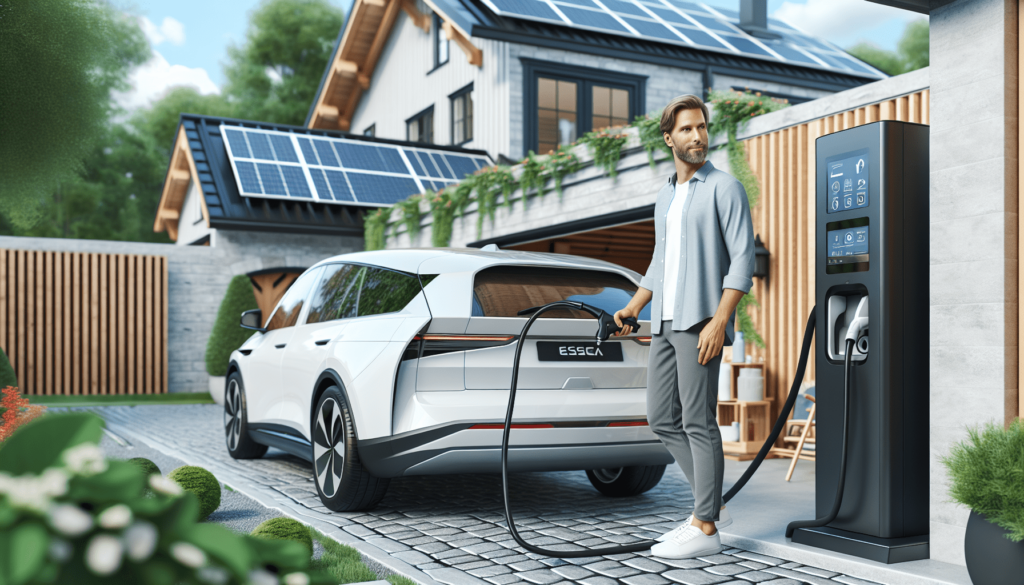
Understanding Electric Vehicle Charging Stations
Electric vehicle (EV) charging stations are essential infrastructure for EV owners. These stations allow you to charge your electric vehicle at home, eliminating the need to visit public charging stations regularly. There are different types of EV charging stations, such as Level 1, Level 2, and DC fast chargers, each with varying charging speeds.
In this article, we will focus on the installation of Level 2 charging stations, which are commonly used for residential purposes. Level 2 charging stations are faster than Level 1 chargers and can fully charge an electric vehicle in a few hours.
Types of Level 2 Charging Stations
Level 2 charging stations can vary in terms of power output, cord length, and additional features. When selecting a Level 2 charging station for your residential property, consider factors such as charging speed, compatibility with your EV model, and ease of installation.
Planning for Installation
Before installing an electric vehicle charging station at your residential property, it is essential to plan the installation process carefully. Start by assessing your electrical system’s capacity to determine if it can accommodate the additional load from the charging station. Consult a qualified electrician to evaluate your electrical panel and make any necessary upgrades.
Electrical Panel Capacity
The electrical panel’s capacity determines how much power can be safely distributed to different circuits in your home. If your electrical panel is already at its maximum capacity, you may need to upgrade to a higher-ampacity panel to support the charging station’s power requirements.
Location
Choose a convenient and accessible location for the charging station installation. Consider factors such as proximity to your parking spot, ease of cable management, and compliance with local building codes.
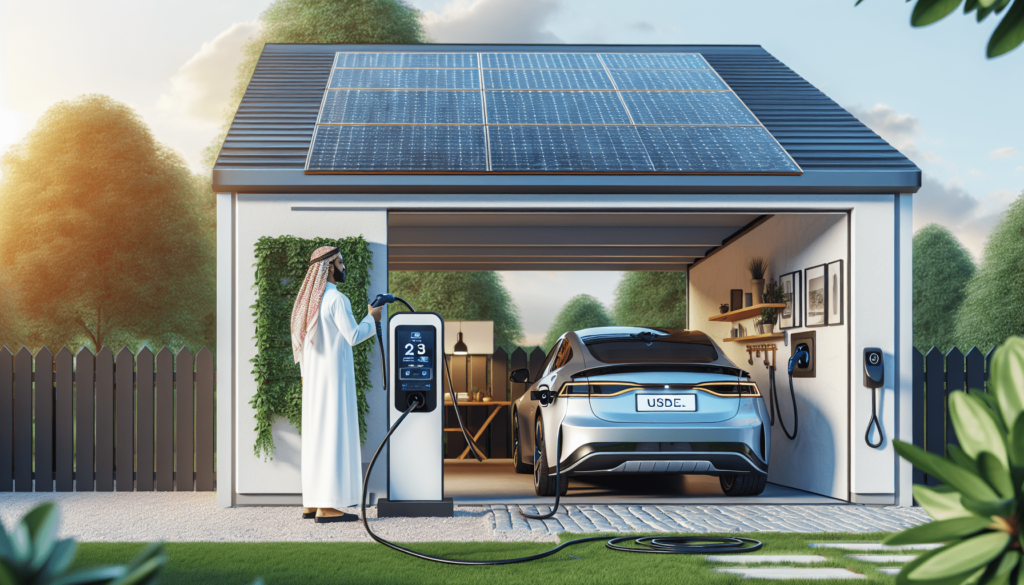
Materials Provided by Consumer
When installing an electric vehicle charging station at your residential property, certain materials will need to be provided by the consumer. These materials are essential for ensuring a successful and compliant installation process.
Consumer-Provided Materials List
Here is a list of materials typically provided by the consumer for the installation of an electric vehicle charging station:
-
Charging Station Unit: Purchase a Level 2 charging station unit that suits your specific needs and budget. Ensure that the charging station is compatible with your electric vehicle model and charging requirements.
-
Mounting Hardware: Depending on the type of mounting method required for your charging station, provide appropriate mounting hardware such as screws, anchors, and brackets.
-
Conduit and Wiring: Purchase the necessary conduit and wiring for connecting the charging station unit to your electrical panel. Consult with an electrician to determine the correct wire gauge and conduit size for the installation.
-
Circuit Breaker: Provide a dedicated circuit breaker for the charging station installation. The circuit breaker should match the charging station’s power requirements and comply with local electrical codes.
-
Permit Fees: Some local jurisdictions may require permits for the installation of an electric vehicle charging station. Check with your local building department to determine if permits are needed and cover any associated fees.
Purchasing Tips
When purchasing materials for your electric vehicle charging station installation, consider the following tips:
-
Quality: Invest in high-quality materials to ensure the safety and longevity of your charging station. This includes durable charging station units, compatible wiring, and reliable circuit breakers.
-
Compatibility: Verify that the charging station unit, conduit, and wiring are compatible with each other and meet the electrical specifications required for the installation.
-
Certifications: Look for certifications such as UL listing or CSA approval on the charging station unit and components to ensure compliance with electrical safety standards.
Installation Process
Now that you have gathered the necessary materials for the installation of your electric vehicle charging station, it’s time to begin the installation process. Follow these step-by-step instructions to set up your charging station successfully.
Step 1: Turn Off Power
Before starting the installation, shut off the power to the electrical panel to ensure safety. Identify the circuit breaker that will supply power to the charging station and switch it off.
Step 2: Mount the Charging Station
Mount the charging station unit on a suitable surface using the provided mounting hardware. Follow the manufacturer’s instructions for proper mounting and ensure that the unit is securely attached.
Step 3: Run Conduit and Wiring
Run the conduit and wiring from the electrical panel to the charging station location. Use appropriate wire connectors and conduit fittings to secure the wiring and protect it from damage.
Step 4: Connect the Wiring
Connect the wiring to the charging station unit according to the manufacturer’s specifications. Ensure that the connections are tight and secure to prevent electrical issues.
Step 5: Install the Circuit Breaker
Install the dedicated circuit breaker for the charging station in the electrical panel. Follow the manufacturer’s guidelines for proper installation and ensure that the breaker is rated for the charging station’s power requirements.
Step 6: Test the Installation
After completing the wiring and connection process, test the installation to ensure that the charging station is functioning correctly. Plug in your electric vehicle and verify that the charging process initiates without issues.
Maintenance and Troubleshooting
To ensure the continued operation of your electric vehicle charging station, regular maintenance and troubleshooting may be required. Here are some tips to keep your charging station in top condition:
Maintenance Tips
-
Routine Inspections: Periodically inspect the charging station unit, wiring, and connections for signs of wear or damage. Replace any worn components promptly to prevent electrical hazards.
-
Cable Management: Keep the charging cable untangled and free from obstructions to prevent damage and ensure reliable charging performance.
-
Clearing Debris: In outdoor installations, remove dirt, debris, or snow from the charging station to maintain optimal functionality.
Troubleshooting Steps
-
Check Power Supply: If the charging station is not working, check the power supply, circuit breaker, and electrical connections to identify any issues.
-
Reset the Station: Reset the charging station unit by unplugging it and plugging it back in after a brief pause to troubleshoot minor technical glitches.
-
Consult a Professional: If you encounter persistent issues with the charging station, seek assistance from a qualified electrician or the charging station manufacturer for expert troubleshooting.
Conclusion
Congratulations on successfully installing an electric vehicle charging station at your residential property! By following the steps outlined in this article and providing the necessary materials, you have taken a significant step towards sustainable and convenient electric vehicle ownership. Remember to maintain your charging station regularly and troubleshoot any issues promptly to ensure optimal performance. Enjoy hassle-free charging and happy driving with your electric vehicle!