Welcome to a helpful guide on repairing your electrical baseboard or wall heater! Whether you’re facing issues with your heating unit not turning on, producing uneven heat, or making strange noises, this article will provide you with practical tips and steps to troubleshoot and fix the problem. From checking the thermostat and electrical connections to cleaning the heater and replacing damaged parts, you’ll be able to get your heater up and running again in no time. So, say goodbye to chilly days and hello to cozy warmth with these easy repair solutions for your electrical heating unit. Have you noticed that your electrical baseboard or wall heater isn’t working as well as it should be? Perhaps it’s making strange noises or not heating up properly. Before you panic and call a professional, there are some simple repairs you can try on your own. In this article, we will guide you through common issues with electrical baseboard or wall heaters and how you can fix them yourself. Let’s get started!
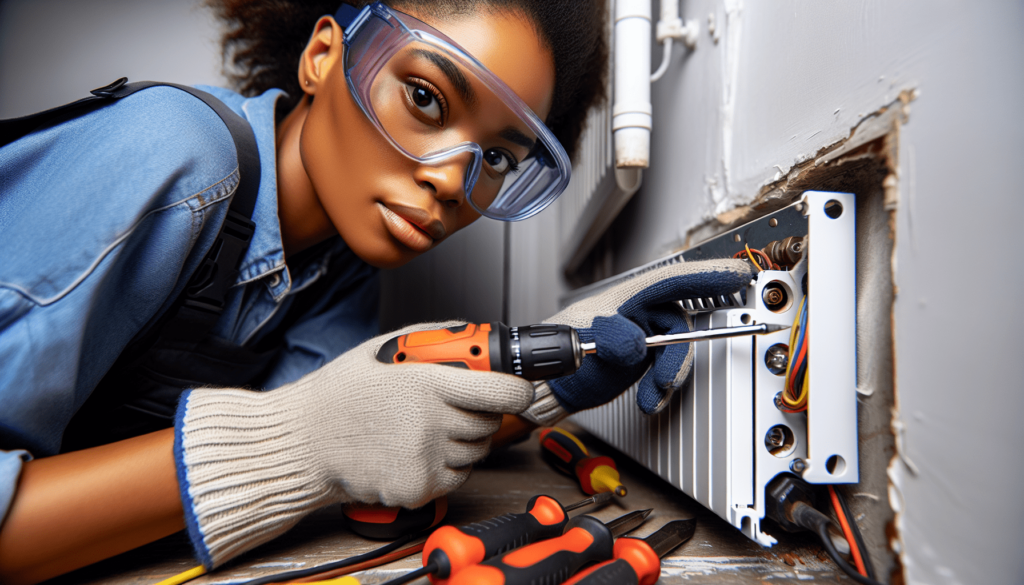
Understanding How Electrical Baseboard and Wall Heaters Work
Electric baseboard heaters and wall heaters are popular choices for heating rooms in homes and offices. They work by converting electrical energy into heat using heating elements. The heat is then dispersed through convection, warming up the air in the room. Understanding the basic mechanics of how these heaters work will help you identify potential issues and troubleshoot them effectively.
How do Electric Baseboard Heaters Work?
Electric baseboard heaters consist of a heating element, a baseboard housing, a thermostat, and a metal cover. When you turn on the heater, electricity flows through the heating element, which converts the electrical energy into heat. The heat rises and is then dispersed into the room through convection. The thermostat regulates the temperature by turning the heater on and off as needed.
Being familiar with how your electric baseboard heater operates allows you to pinpoint where a malfunction might be occurring.
How do Wall Heaters Work?
Wall heaters operate in a similar manner to baseboard heaters but are designed to be mounted directly on the wall. They consist of a metal housing, a heating element, a fan, and a thermostat. When the heater is turned on, electricity flows through the heating element, which warms up the air inside the housing. The fan then blows the warm air out into the room, heating it up quickly. The thermostat regulates the temperature by turning the heater on and off as required.
Understanding the components of your wall heater will help you troubleshoot any issues that arise more effectively.
Common Issues with Electrical Baseboard and Wall Heaters
Electrical baseboard and wall heaters are relatively simple devices, but they can still encounter problems from time to time. Here are some common issues you might experience with your heater:
1. Heater Not Heating Up
One of the most common issues with electrical baseboard and wall heaters is that they stop heating up properly. This can be caused by a variety of factors, including a faulty heating element, a malfunctioning thermostat, or a clogged air vent.
If your heater is not heating up, check the thermostat settings to ensure they are set correctly. If the settings are correct, it’s possible that the heating element needs to be replaced.
2. Strange Noises Coming from the Heater
Another common issue with electrical baseboard and wall heaters is strange noises coming from the unit. These noises can range from humming and rattling to banging and scraping. In most cases, these noises are caused by loose components, a worn-out motor, or debris inside the heater.
If you hear strange noises coming from your heater, turn it off immediately and inspect the unit for loose parts or debris. Tighten any loose components and clean out any debris to see if the noise stops.
3. Heater Not Turning On
If your electrical baseboard or wall heater is not turning on at all, there could be an issue with the power supply or the thermostat. Check to make sure the heater is plugged in and that the circuit breaker has not tripped. If the power supply is functioning properly, the thermostat might need to be adjusted or replaced.
4. Uneven Heating
Uneven heating is a common issue with baseboard and wall heaters, especially in larger rooms. This can be caused by placement of furniture blocking the airflow, improper installation of the heater, or a dirty air vent.
To resolve the issue of uneven heating, try moving furniture away from the heater to allow for better airflow. If the problem persists, check the air vent for any blockages and clean it out thoroughly.
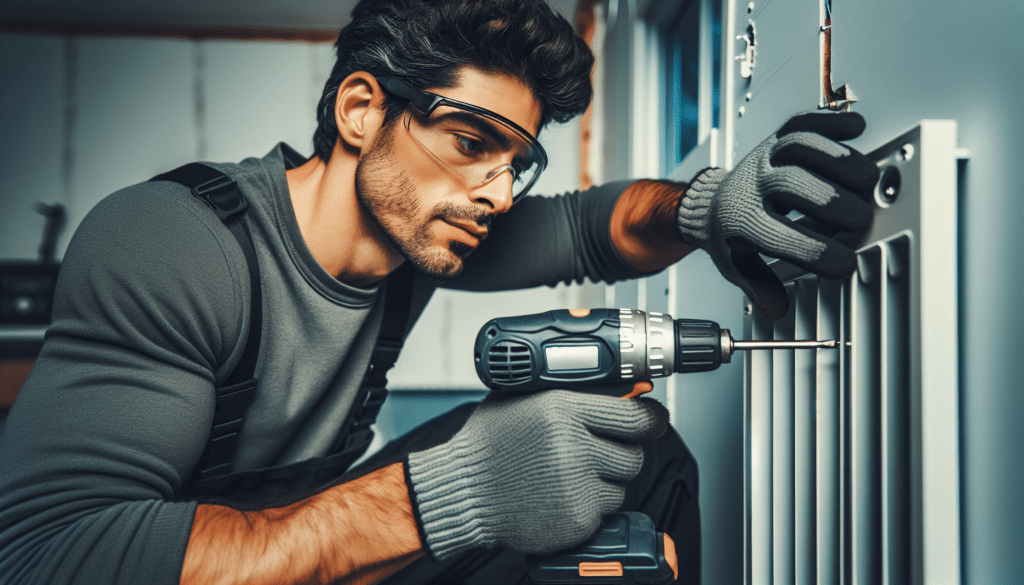
Troubleshooting and Repairing Electrical Baseboard and Wall Heaters
Now that you know some common issues with electrical baseboard and wall heaters, let’s go over how you can troubleshoot and repair these problems yourself.
Tools You Will Need
Before you start troubleshooting and repairing your electrical baseboard or wall heater, make sure you have the following tools on hand:
- Screwdriver
- Multimeter
- Replacement heating element (if needed)
- Soft brush or cloth for cleaning
- Duct tape
- Electrical tape
Having these tools readily available will make it easier for you to diagnose and fix any issues with your heater.
Step-by-Step Troubleshooting Guide
Follow these steps to troubleshoot and repair common issues with your electrical baseboard or wall heater:
1. Check the Power Supply
The first thing you should do when your heater is not working is to check the power supply. Make sure the heater is plugged in and that the circuit breaker has not tripped. If the power supply is working, move on to the next step.
2. Inspect the Thermostat
Next, inspect the thermostat on your heater to make sure it is set correctly. If the thermostat is not set properly, adjust it to the desired temperature. If the thermostat is malfunctioning, you may need to replace it.
3. Examine the Heating Element
Inspect the heating element in your baseboard or wall heater to see if it is functioning correctly. Use a multimeter to test the heating element for continuity. If the element is faulty, you will need to replace it with a new one.
4. Clean the Air Vent
If your heater is not heating up properly or is making strange noises, check the air vent for any blockages. Use a soft brush or cloth to clean out any debris that may be obstructing the airflow.
5. Tighten Loose Components
If you hear strange noises coming from your heater, check for loose components and tighten them with a screwdriver. Loose parts can cause rattling or banging noises, so securing them in place can help eliminate the problem.
6. Test the Fan
If your wall heater has a fan and it is not working, test it to see if it is receiving power. If the fan is not receiving power, check the wiring and connections to ensure they are secure.
7. Inspect the Wiring
Examine the wiring in your baseboard or wall heater for any signs of damage or wear. If you notice any frayed wires or loose connections, use electrical tape to secure them.
Hiring a Professional
If you have tried troubleshooting your electrical baseboard or wall heater and are still experiencing issues, it may be time to call a professional. A licensed electrician or HVAC technician can diagnose the problem accurately and make any necessary repairs safely.
Conclusion
Repairing your electrical baseboard or wall heater is a straightforward process that can save you time and money. By understanding how these heaters work and being able to identify common issues, you can troubleshoot and repair them on your own. Remember to follow the steps outlined in this article carefully and seek professional help if needed. Keep your home warm and cozy all winter long with a well-maintained electrical heater!