Welcome to the ultimate guide to installing or repairing electrical switches, outlets, and fixtures! In this article, you will learn all the tips and tricks to safely and efficiently handle these common household tasks. Whether you’re a seasoned DIYer or a complete beginner, we’ve got you covered with step-by-step instructions and helpful advice. Get ready to upgrade your home’s electrical system and tackle those pesky repairs with confidence. Let’s get started! Have you ever found yourself needing to install or repair electrical switches, outlets, or fixtures in your home? Whether you’re looking to add a new light fixture or replace an old outlet, knowing how to safely and efficiently handle these tasks is essential. In this guide, we’ll walk you through everything you need to know to tackle these projects yourself. From understanding the basics of electrical work to specific step-by-step instructions, we’ve got you covered. Let’s get started!
Understanding Electrical Switches, Outlets, and Fixtures
When it comes to electrical work, it’s important to have a basic understanding of the different components you’ll be working with. Electrical switches, outlets, and fixtures all play crucial roles in your home’s electrical system, and knowing how they function will help you troubleshoot issues and make necessary repairs or installations.
Electrical Switches
Electrical switches are devices that control the flow of electricity to lights, fans, or other electrical fixtures in your home. They come in various types, including single-pole switches, three-way switches, and dimmer switches. Understanding how each type works will help you determine the best switch for your specific needs.
When installing or repairing electrical switches, always remember to turn off the power at the breaker box to avoid the risk of electrical shock. Make sure to test the switch after installation to ensure it’s working properly.
Outlets
Electrical outlets are the points in your home where you can plug in devices and appliances to access electricity. Like switches, outlets come in different types, including standard outlets, GFCI outlets, and AFCI outlets. Knowing the differences between these types will help you choose the right outlet for each location in your home.
When replacing or installing outlets, it’s essential to follow proper safety procedures, such as turning off the power and testing the outlet before use. Ensuring a secure connection is crucial to prevent electrical hazards.
Fixtures
Electrical fixtures include light fixtures, ceiling fans, and other devices that are permanently attached to your home’s electrical system. When installing or repairing fixtures, it’s important to consider factors such as the fixture’s weight, size, and electrical requirements.
Before working on fixtures, always turn off the power and follow any manufacturer instructions for installation. Properly securing the fixture to the ceiling or wall is essential to prevent accidents.
Tools and Materials Needed
Before you begin any electrical project, it’s essential to gather the necessary tools and materials to ensure a smooth and safe installation or repair. Here’s a list of common tools and materials you may need:
| Tools | Materials |
|---|---|
| Screwdriver | Electrical tape |
| Pliers | Wire nuts |
| Wire stripper | Electrical box |
| Voltage tester | Cable connectors |
| Drill | Wire staples |
Having these tools on hand will make your electrical projects easier and more efficient. Make sure to wear appropriate safety gear, such as gloves and safety goggles, when working with electricity.
Safety Precautions
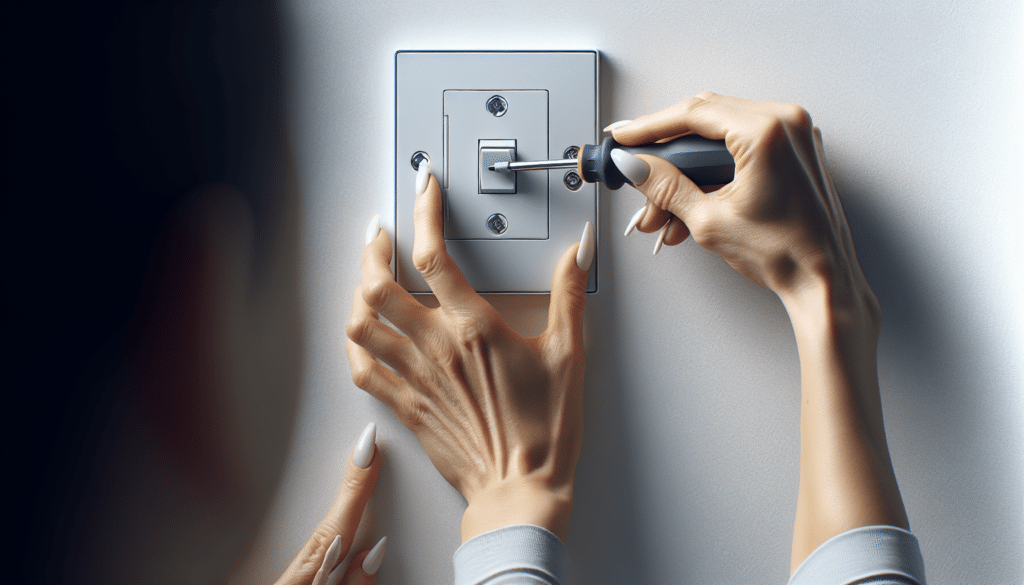
Working with electricity can be dangerous if proper safety precautions are not followed. Before starting any electrical project, make sure to keep the following safety tips in mind:
- Always turn off the power at the breaker box before working on any electrical components.
- Use a voltage tester to ensure that the power is off before touching any wires.
- Avoid working on electrical projects in wet or damp conditions.
- Do not use damaged tools or equipment when working with electricity.
- If you’re unsure about any aspect of the project, consult a licensed electrician for guidance.
By following these safety precautions, you can protect yourself and others from the risks associated with electrical work.
Installing or Repairing Electrical Switches
If you’re looking to install or repair electrical switches in your home, follow these step-by-step instructions for a successful project:
- Turn off the power: Before working on the switch, turn off the power at the breaker box to avoid electrical shock.
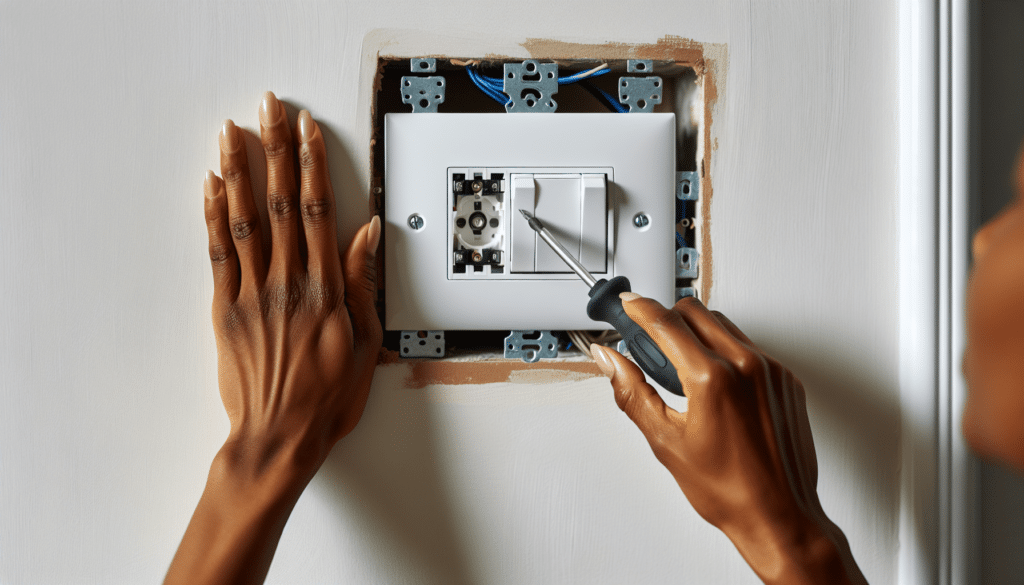
- Remove the switch cover: Use a screwdriver to remove the cover plate from the switch.
- Test the wires: Use a voltage tester to ensure that the power is off before touching any wires.
- Remove the old switch: Carefully disconnect the wires from the old switch and remove it from the wall.
- Install the new switch: Connect the wires to the new switch following the manufacturer’s instructions.
- Test the switch: Turn the power back on and test the switch to ensure it’s working properly.
- Replace the cover plate: Once the switch is working correctly, replace the cover plate.
By following these steps and practicing caution, you can successfully install or repair electrical switches in your home.
Installing or Repairing Electrical Outlets
If you need to install or repair electrical outlets in your home, here’s a guide to help you through the process:
- Turn off the power: Just like with switches, make sure to turn off the power at the breaker box before working on outlets.
- Remove the outlet cover: Use a screwdriver to remove the cover plate from the outlet.
- Test the wires: Use a voltage tester to ensure that the power is off before touching any wires.
- Remove the old outlet: Disconnect the wires from the old outlet and remove it from the wall.
- Install the new outlet: Connect the wires to the new outlet following the manufacturer’s instructions.
- Test the outlet: Turn the power back on and test the outlet to ensure it’s working properly.
- Replace the cover plate: Once the outlet is working correctly, replace the cover plate.
By following these steps and adhering to safety guidelines, you can safely install or repair electrical outlets in your home.
Installing or Repairing Electrical Fixtures
When it comes to installing or repairing electrical fixtures in your home, consider the following steps for a successful project:
- Turn off the power: As always, start by turning off the power at the breaker box to prevent electrical accidents.
- Remove the old fixture: Carefully disconnect the wires from the old fixture and remove it from the ceiling.
- Prepare the new fixture: Follow the manufacturer’s instructions to prepare the new fixture for installation.
- Install the new fixture: Connect the wires from the new fixture to the existing electrical box, following the instructions provided.
- Secure the fixture: Make sure the fixture is securely attached to the ceiling or wall to prevent it from falling.
- Test the fixture: Turn the power back on and test the fixture to ensure it’s working correctly.
- Enjoy your new fixture: Once the fixture is installed and working properly, take a moment to appreciate your handiwork.
By following these steps and taking appropriate safety measures, you can successfully install or repair electrical fixtures in your home.
Conclusion
Handling electrical work in your home may seem daunting, but with the right knowledge and tools, you can tackle these projects with confidence. Whether you’re installing a new light fixture or repairing an old outlet, following safety precautions and step-by-step instructions will help you achieve professional results. Remember to turn off the power, test wires before touching them, and consult a professional if you’re unsure about any aspect of the project. With a little patience and attention to detail, you can upgrade your home’s electrical components safely and efficiently. Happy DIY-ing!