Welcome to the world of tile maintenance, where the age-old question of whether to replace or repair grout always seems to linger. In this article, we will explore the pros and cons of both options and provide you with expert advice on how to make the best decision for your tile surfaces. From cost considerations to aesthetic preferences, we will guide you through the process of determining whether grout replacement or repair is the right choice for you. So sit back, relax, and let us help you navigate the world of grout maintenance with confidence. Have you noticed the grout in between the tiles in your bathroom or kitchen starting to crack or deteriorate? It can be frustrating and overwhelming to decide whether to replace or repair the grout. But don’t worry, we’re here to help guide you through the process and make the best decision for your space.
Understanding the Difference Between Repair and Replace
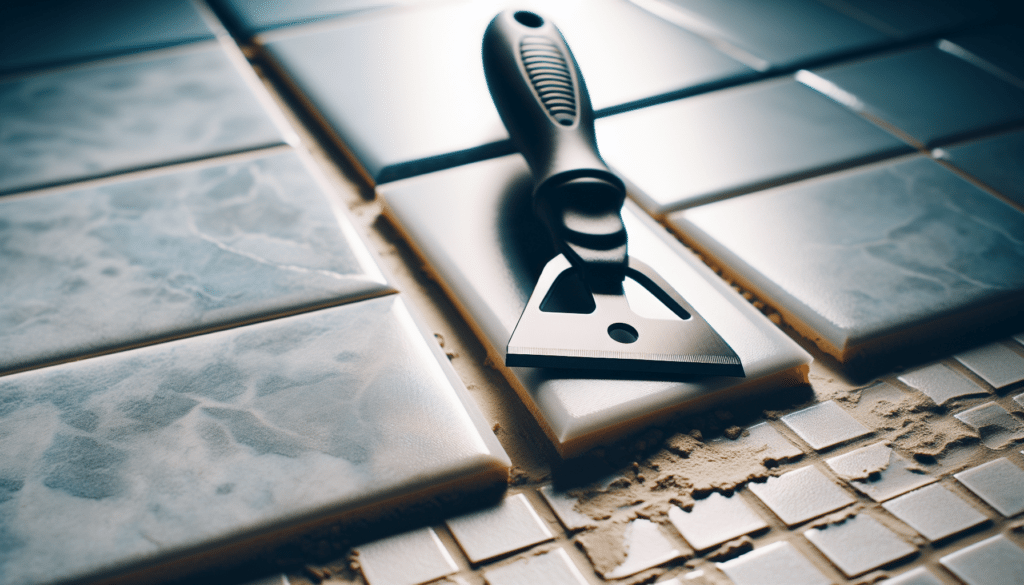
When it comes to maintaining the grout in your tiles, it’s essential to understand the difference between repairing and replacing. Repairing grout involves fixing small cracks or holes in the existing grout, while replacing grout involves removing the old grout and installing new grout in its place.
Here, we will break down the benefits, drawbacks, and processes involved in repairing and replacing grout to help you make an informed decision that suits your needs and budget.
Repairing Grout
Repairing grout is a cost-effective and efficient way to address minor issues in your tile surfaces. It is ideal for small cracks or areas where the grout has become discolored or stained.
When you choose to repair grout, you can save time and money by focusing on specific problem areas rather than replacing all the grout in the entire space. Additionally, repairing grout can be a simple DIY project for those who are handy around the house.
Replacing Grout
Replacing grout is necessary when the grout has extensive damage, such as crumbling, missing sections, or widespread discoloration. While replacing grout requires more time and effort compared to repairing, it is a long-term solution that can prevent further damage and enhance the overall appearance of your tiles.
When you replace grout, you have the opportunity to choose a new color or type of grout that complements your tiles and overall design aesthetic. However, it is essential to consider the cost and labor involved in replacing grout, as it can be a more significant investment compared to repairing.
Signs That Your Grout Needs Attention
Before deciding whether to repair or replace the grout in your tiles, it is crucial to identify the signs that indicate your grout needs attention. Here are some common indicators that it may be time to address your grout:
-
Cracks: Small cracks in the grout lines can worsen over time if left unattended. They can also lead to water seepage, which can cause damage to the underlying surface.
-
Discoloration: Discolored grout can make your tiles look dirty and neglected, even after cleaning. It is a sign of mold, mildew, or mineral deposits that have accumulated over time.
-
Missing Grout: If you notice sections of missing grout in between your tiles, it is essential to address them promptly to prevent further damage and potential water leakage.
-
Water Damage: Water damage, such as water stains or soft spots on the walls or floors near your tiles, can indicate that the grout is compromised and needs to be replaced.
-
Loose Tiles: Loose or shifting tiles can be a result of deteriorating grout that no longer holds the tiles securely in place. Replacing the grout can help stabilize the tiles and prevent them from further shifting.
Steps to Repairing Grout
If you have identified minor issues with the grout in your tiles, such as small cracks or discoloration, you may consider repairing the grout before it escalates into a more significant problem. Here are the steps to repairing grout:
-
Clean the Area: Before repairing the grout, ensure that the area is clean and free of debris. Use a grout cleaner or a mixture of baking soda and water to remove any dirt or grime from the grout lines.
-
Prepare the Grout: Mix grout according to the manufacturer’s instructions to create a smooth consistency. Make sure to choose a color that matches the existing grout for a seamless repair.
-
Apply the Grout: Use a grout float to apply the new grout to the cracked or damaged areas. Press the grout into the lines and remove any excess grout using a grout sponge.
-
Cure the Grout: Allow the grout to dry and cure according to the manufacturer’s instructions. Avoid using the tiled surface until the grout has fully set to ensure a durable repair.
Steps to Replacing Grout
If the grout in your tiles has extensive damage or requires a complete overhaul, you may need to replace the grout entirely. Here are the steps to replacing grout:
-
Remove the Old Grout: Use a grout saw or rotary tool with a grout removal attachment to carefully remove the old grout from the lines between the tiles. Be gentle to avoid damaging the tiles themselves.
-
Clean the Area: Once the old grout has been removed, clean the area thoroughly to remove any debris or remaining grout particles. Use a vacuum or damp cloth to ensure the surface is clean and dry.
-
Prepare the New Grout: Mix the new grout according to the manufacturer’s instructions. Make sure to choose a color that complements your tiles and overall design aesthetic.
-
Apply the New Grout: Use a grout float to apply the new grout to the lines between the tiles. Press the grout into the lines and remove any excess grout using a grout sponge.
-
Cure the New Grout: Allow the new grout to dry and cure based on the manufacturer’s recommendations. Avoid using the tiled surface until the grout has fully set to ensure a long-lasting finish.
Cost Comparison: Repair vs. Replace
When deciding whether to repair or replace the grout in your tiles, it is essential to consider the costs involved in each option. Here is a cost comparison between repairing and replacing grout:
Repairing Grout
- Materials: Grout cleaner, new grout mix
- Tools: Grout float, grout saw, grout sponge
- Estimated Cost: $10 – $50 (depending on the size of the repair area)
Replacing Grout
- Materials: New grout mix
- Tools: Grout saw, grout float, grout sponge
- Estimated Cost: $50 – $200 (based on the size of the area and type of grout)
While repairing grout is more cost-effective than replacing, it is essential to consider the extent of the damage and the long-term durability of the repair. If the grout has significant damage or widespread issues, replacing the grout may be a more effective and long-lasting solution in the long run.
Maintenance Tips to Extend the Lifespan of Your Grout
To prevent future issues with your grout and tiles, it is essential to implement regular maintenance practices that can extend the lifespan of your grout. Here are some maintenance tips to help keep your grout in top condition:
-
Regular Cleaning: Clean your tiles and grout regularly with a mild cleaner or a mixture of vinegar and water to prevent dirt and grime buildup.
-
Sealing Grout: Apply a grout sealer to protect your grout from stains, water damage, and discoloration. It should be reapplied every 6 to 12 months for optimal protection.
-
Ventilation: Ensure proper ventilation in areas with tiled surfaces, such as bathrooms and kitchens, to prevent mold and mildew growth that can damage the grout.
-
Address Issues Promptly: If you notice any signs of damage or deterioration in your grout, address them promptly to prevent further problems and costly repairs.
By following these maintenance tips, you can prolong the lifespan of your grout and tiles and enjoy a clean and beautiful space for years to come.
Final Thoughts
When it comes to maintaining the grout in your tiles, it’s essential to address any issues promptly to prevent further damage and maintain the overall appearance of your space. Whether you choose to repair or replace the grout, consider the extent of the damage, your budget, and the long-term benefits of each option.
Remember, repairing grout is ideal for small cracks or minor issues, while replacing grout is necessary for extensive damage or widespread issues. By following the steps and tips outlined in this article, you can make an informed decision and take the necessary steps to ensure your grout and tiles are in top condition.