Hello there! Today, I want to introduce you to the wonderful world of lawn seeding and hydroseeding. Whether you’re looking to start a new lawn or revitalize an existing one, these methods are a fantastic way to achieve lush, healthy grass. By using a combination of seeds, water, and nutrients, your lawn will be on its way to becoming the envy of the neighborhood in no time. Get ready to watch your lawn transform into a beautiful green oasis with the help of lawn seeding and hydroseeding. Have you ever wondered about the best way to achieve a lush and green lawn? Look no further than lawn seeding and hydroseeding! Whether you’re a first-time homeowner or a seasoned pro, this friendly guide will walk you through everything you need to know about these two popular methods for establishing a beautiful lawn. So grab a cup of coffee, sit back, and let’s dive into the world of lawn seeding and hydroseeding together!

What is Lawn Seeding and Hydroseeding?
Lawn seeding and hydroseeding are two techniques used to establish new lawns or repair existing ones. While both methods involve spreading grass seed on the soil, they differ in the way the seed is applied and the materials used to help it germinate.
Lawn seeding typically involves spreading grass seed manually over prepared soil, followed by watering and other care to promote germination. On the other hand, hydroseeding is a more modern method that involves mixing grass seed with a slurry of water, fertilizer, and mulch, then applying it evenly over the soil using a special machine.
Lawn Seeding
Lawn seeding, also known as broadcast seeding, is a traditional method of establishing a lawn that has been used for centuries. In this method, you simply spread grass seed by hand or with a spreader over the soil, then water it in to promote germination. While lawn seeding is more labor-intensive than hydroseeding, it is a cost-effective option for small to medium-sized lawn areas.
Hydroseeding
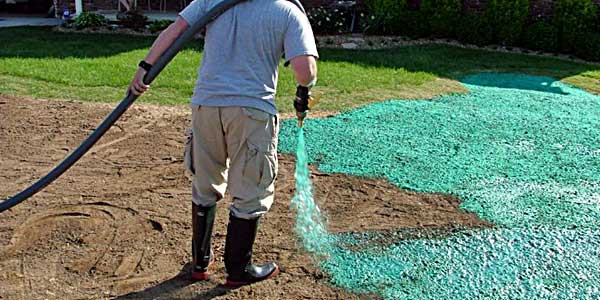
Hydroseeding, also known as hydraulic mulch seeding or hydro-mulching, is a more modern and efficient method of establishing a lawn. In hydroseeding, a mixture of grass seed, water, fertilizer, and mulch is sprayed evenly over the soil using a special machine called a hydroseeder. This method is particularly useful for large lawn areas or sloped terrains, as it provides better seed-to-soil contact and helps retain moisture for faster germination.
Pros and Cons of Lawn Seeding and Hydroseeding
Each method has its own advantages and disadvantages, so it’s important to consider your specific needs and preferences before deciding which one is right for you.
Pros of Lawn Seeding
- Cost-effective for small to medium-sized lawns
- Easy to apply with minimal equipment required
- More control over seed placement and grass varieties
Cons of Lawn Seeding
- Labor-intensive and time-consuming
- Less effective on steep slopes or large lawn areas
- May require additional watering and maintenance
Pros of Hydroseeding
- Faster germination and establishment of grass
- Suitable for large lawn areas or sloped terrains
- Helps improve soil structure and moisture retention
Cons of Hydroseeding
- Higher initial cost compared to lawn seeding
- Requires specialized equipment and professional expertise
- Limited control over seed placement and grass varieties

Best Practices for Successful Lawn Seeding and Hydroseeding
Whether you choose lawn seeding or hydroseeding, there are several best practices you can follow to achieve a healthy and vibrant lawn. From soil preparation to watering and maintenance, these tips will help you get the best results from your lawn seeding or hydroseeding project.
Soil Preparation
Before seeding your lawn, it’s important to prepare the soil properly to create an ideal environment for grass seed germination. Start by removing any debris, weeds, or rocks from the area and tilling the soil to a depth of 4-6 inches. Adding organic matter such as compost or peat moss can help improve soil structure and fertility, providing a better growing environment for grass seed.
Choosing the Right Grass Seed
Selecting the right grass seed for your lawn is crucial to its long-term success. Consider factors such as your climate, soil type, and sun exposure when choosing a grass variety. Cool-season grasses like Kentucky bluegrass and fescue are ideal for northern regions, while warm-season grasses like Bermuda and zoysia are better suited for southern climates.
Seeding Rate and Application
Determining the correct seeding rate and application method is essential to ensuring even coverage and optimal germination. Refer to the seed manufacturer’s recommendations for the appropriate seeding rate based on your lawn size and grass variety. To achieve uniform distribution, divide the seed into equal portions and spread it in crisscrossing patterns over the soil.
Watering and Maintenance
Proper watering is essential to the success of your lawn seeding or hydroseeding project. Water the seeded area lightly and frequently to keep the soil moist but not waterlogged. Avoid overwatering, as this can lead to fungal diseases and poor root development. Once the grass has germinated, gradually reduce the frequency of watering and transition to a deep, infrequent watering schedule to promote deep root growth.

Lawn Seeding vs. Hydroseeding: Which Method is Right for You?
When it comes to choosing between lawn seeding and hydroseeding, there are a few key factors to consider that can help you make an informed decision.
Budget
If you’re working with a limited budget and have the time and energy to dedicate to lawn care, traditional lawn seeding may be the best option for you. While it requires more manual labor, lawn seeding is a cost-effective way to establish a lush lawn without breaking the bank.
On the other hand, if you have a larger lawn area to cover or prefer a faster and more efficient method, hydroseeding may be the better choice. While it may have a higher initial cost, hydroseeding can save you time and effort in the long run by promoting faster germination and establishment of your lawn.
Lawn Size and Terrain
The size and terrain of your lawn can also influence your choice between lawn seeding and hydroseeding. If you have a small to medium-sized lawn with flat terrain, lawn seeding may be a practical and manageable option for you. However, if you have a large lawn area to cover or sloped terrain that is difficult to access, hydroseeding may be a more convenient and effective approach.
Time and Expertise
Consider your available time and expertise when deciding between lawn seeding and hydroseeding. Lawn seeding requires manual labor and ongoing maintenance, so if you enjoy working outdoors and have the time to dedicate to caring for your lawn, this method may be a good fit for you. On the other hand, if you prefer a hands-off approach and want a professional-looking lawn without the hassle, hydroseeding may be the way to go.

Conclusion
Whether you choose lawn seeding or hydroseeding, both methods can help you achieve a lush and healthy lawn that you can enjoy for years to come. By following the best practices outlined in this guide and considering your specific needs and preferences, you can make an informed decision that will set you on the path to a beautiful and vibrant lawn. So go ahead, grab your seed spreader or contact a hydroseeding professional, and get started on creating the lawn of your dreams!