Welcome to the world of interlocking pavers! If you’re looking to upgrade your driveway or floor, interlocking pavers are a fantastic option. Not only are they durable and easy to maintain, but they also come in a variety of colors and patterns to suit your style. Whether you’re a DIY enthusiast or prefer professional installation, interlocking pavers are a versatile choice for enhancing the aesthetic appeal and functionality of your outdoor or indoor spaces. Let’s explore the endless possibilities of interlocking pavers for driveways, floors, and installation. Have you been considering upgrading your driveway or floors with interlocking pavers but aren’t sure where to start? You’ve come to the right place. In this article, we will guide you through the process of selecting, installing, and maintaining interlocking pavers for your driveways and floors.
What are Interlocking Pavers?
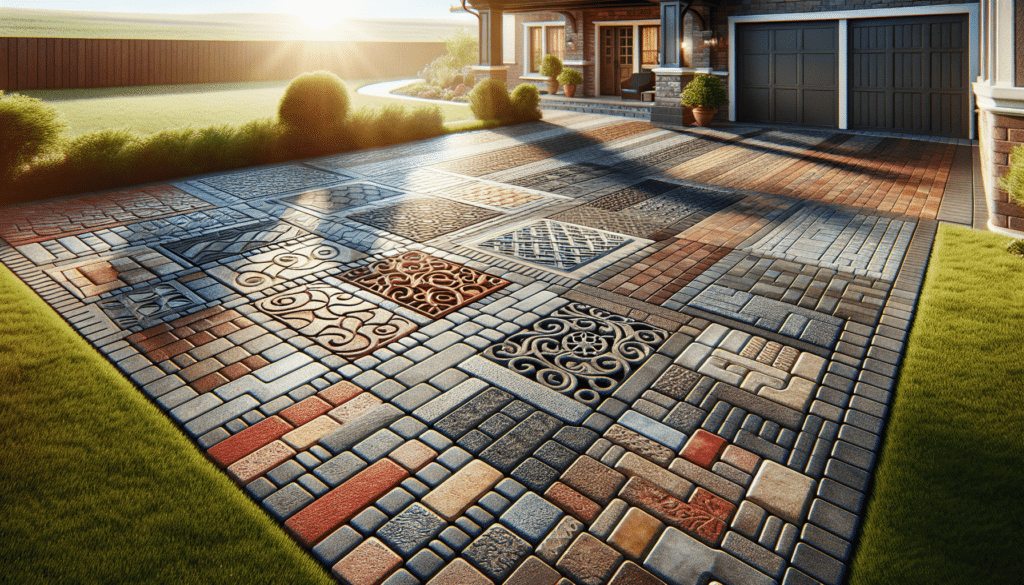
Before diving into the installation process, let’s first understand what interlocking pavers actually are. Interlocking pavers are individual units made of concrete, stone, or brick that are designed to fit together like pieces of a puzzle. They come in a variety of shapes, sizes, colors, and textures, making them a versatile choice for both residential and commercial projects.
Benefits of Interlocking Pavers
Interlocking pavers offer a wide range of benefits, making them a popular choice for driveways and floors. Some of the key advantages include:
- Durability: Interlocking pavers are extremely durable and can withstand heavy loads and harsh weather conditions.
- Versatility: With endless design options, interlocking pavers can be customized to suit any style or aesthetic.
- Easy Maintenance: Unlike concrete or asphalt, interlocking pavers are easy to repair and replace if damaged.
- Eco-Friendly: Interlocking pavers allow for better water drainage, reducing runoff and helping to prevent erosion.
Selecting the Right Interlocking Pavers
When it comes to selecting interlocking pavers for your driveway or floors, there are several factors to consider.
Material
Interlocking pavers are available in a variety of materials, each with its own unique characteristics. Some of the most common materials include:
- Concrete: Affordable and versatile, concrete pavers come in a wide range of shapes, colors, and sizes.
- Brick: Known for their classic look and durability, brick pavers are a timeless choice for driveways and floors.
- Stone: Natural stone pavers, such as granite or limestone, add a touch of elegance and sophistication to any space.
Style
Consider the overall design and style of your home when selecting interlocking pavers. From traditional to contemporary, there are endless style options to choose from. Whether you prefer a sleek modern look or a rustic charm, there are interlocking pavers to match your aesthetic.
Color
The color of the interlocking pavers can have a significant impact on the overall appearance of your driveway or floors. Consider choosing a color that complements the exterior of your home or the interior of your space. From earthy tones to bold hues, there is a color to suit every taste.
Texture
The texture of the interlocking pavers can also play a role in the overall design. Smooth pavers provide a sleek and polished look, while textured pavers offer added slip resistance and traction. Consider the function of the space when selecting the texture of your pavers.
Planning and Preparation
Once you have chosen the right interlocking pavers for your project, it’s time to start planning and preparing for the installation process.
Site Preparation
Before installing the interlocking pavers, it’s important to properly prepare the site. This includes:
- Excavating the area to the proper depth
- Ensuring proper drainage
- Compacting the sub-base to prevent settling
Design Layout
Create a design layout for your interlocking pavers to ensure a seamless installation. Consider factors such as pattern, orientation, and border details. This will help guide the installation process and ensure a professional finish.
Gathering Materials and Tools
Make sure you have all the necessary materials and tools on hand before starting the installation process. Some essential tools and materials include:
- Interlocking pavers
- Sand or gravel for the base
- Edge restraints
- Compactor
- Joint sand
Installation Process
Now that you have everything you need, it’s time to start installing your interlocking pavers. Follow these step-by-step instructions for a successful installation.
Step 1: Base Preparation
Prepare the base for your interlocking pavers by following these steps:
- Excavate the area to the proper depth, taking into account the thickness of the pavers and base materials.
- Compact the sub-base using a compactor to ensure a stable foundation.
- Add a layer of sand or gravel to create a smooth and level surface for the pavers.
Step 2: Install Edge Restraints
Install edge restraints along the perimeter of the area to prevent the interlocking pavers from shifting or moving over time. Secure the edge restraints in place using spikes or adhesive.
Step 3: Lay the Pavers
Start laying the interlocking pavers according to your design layout. Place the pavers in the desired pattern, leaving a small gap between each paver for joint sand. Use a rubber mallet to gently tap the pavers into place.
Step 4: Cut Pavers (if necessary)
If you need to cut pavers to fit within the design, use a saw or chisel to make the necessary cuts. Be sure to wear safety gear, such as goggles and gloves, when cutting pavers.
Step 5: Fill Joints
Once all the pavers are in place, fill the joints with joint sand to secure the pavers and prevent shifting. Use a broom to sweep the sand into the joints, ensuring that they are completely filled.
Step 6: Compact and Seal
Finally, compact the interlocking pavers using a compactor to ensure a tight fit and stable surface. You can also apply a sealant to the pavers to protect them from stains and enhance their durability.
Maintenance Tips
To ensure the longevity and beauty of your interlocking pavers, it’s important to maintain them regularly. Here are some maintenance tips to keep in mind:
Regular Cleaning
Regularly sweep and wash your interlocking pavers to remove dirt, debris, and stains. Use a mild detergent and water to clean the pavers, and avoid harsh chemicals that could damage the surface.
Weed Control
Keep an eye out for weeds or grass growing between the pavers and remove them promptly to prevent them from taking root. You can use a weed killer or pull the weeds by hand for effective control.
Repair Damaged Pavers
If any pavers become cracked, chipped, or dislodged, repair them as soon as possible to prevent further damage. Simply remove the damaged paver and replace it with a new one.
Sealing
Consider resealing your interlocking pavers every few years to protect them from wear and tear. This will help maintain the color and appearance of the pavers and extend their lifespan.
Conclusion
Congratulations! You are now well-equipped to install and maintain interlocking pavers for your driveways and floors. By following these step-by-step instructions and maintenance tips, you can create a beautiful and durable surface that will enhance the curb appeal of your home or business. If you have any questions or need further assistance, don’t hesitate to reach out to a professional contractor for expert guidance. Happy paving!