Welcome to the world of garage door repair! In this article, you will learn about the common issues that can arise with garage doors, as well as the solutions to fix them. Whether it’s a malfunctioning opener, worn-out springs, or uneven tracks, we’ve got you covered with expert tips and advice to ensure your garage door is back up and running smoothly in no time. Say goodbye to frustrating garage door problems and hello to peace of mind with our helpful guide on garage door repair. Have you noticed your garage door acting up lately? Don’t worry, you’re not alone! Many homeowners face issues with their garage doors at some point. In this article, we will guide you through common garage door problems and how to repair them yourself. With just a little bit of know-how and some tools, you can save time and money by fixing your garage door yourself.
Common Garage Door Problems
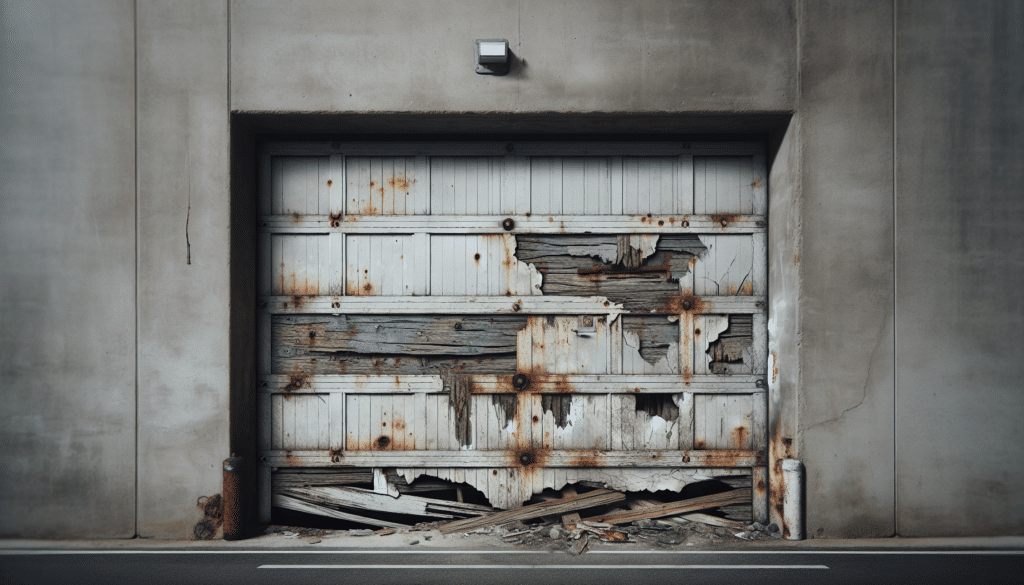
Garage doors are complex systems that can face a variety of issues over time. Whether it’s a noisy operation, a door that won’t open or close, or a broken spring, understanding these common problems is the first step to effectively addressing them.
Noisy Operation
One of the most common issues homeowners face with their garage doors is excessive noise during operation. This could be due to a variety of reasons, such as loose hardware, lack of lubrication, or worn-out parts.
To address noisy garage door operation, start by tightening all the hardware, including bolts, nuts, and screws. Next, make sure to lubricate all moving parts with a silicone-based lubricant. If the noise persists, it may be time to replace worn-out rollers, hinges, or other components.
Door Won’t Open or Close
Another common issue with garage doors is when they refuse to open or close properly. This could be due to misaligned sensors, a malfunctioning remote control, or an issue with the opener itself.
Start by inspecting the sensors located near the bottom of the garage door. Make sure they are clean and aligned properly. Next, check the batteries in your remote control and replace them if necessary. If the issue persists, it may be time to call a professional to inspect and repair the opener.
Broken Springs
Broken garage door springs are a serious issue that requires immediate attention. If you notice your garage door is suddenly heavier to lift or one side appears lower than the other, you likely have a broken spring.
Replacing garage door springs can be dangerous due to the high tension they are under. It is highly recommended to call a professional to replace broken garage door springs. Attempting to do this repair yourself can lead to serious injury.
Garage Door Repair Tools
Having the right tools on hand is essential for successfully repairing your garage door. While you may not need all of these tools for every repair, having a well-stocked toolbox will ensure you’re prepared for any situation.
| Tool | Description |
|---|---|
| Screwdriver | For tightening or loosening screws |
| Adjustable Wrench | For tightening nuts and bolts |
| Pliers | For gripping and bending wires |
| Hammer | For tapping parts into place or removing pins |
| Tape Measure | For measuring distances and dimensions |
| Ladder | For reaching high-up components |
By having these essential tools on hand, you’ll be ready to tackle a variety of garage door repairs with confidence.
Do-It-Yourself Garage Door Repairs
While some garage door repairs may require the expertise of a professional, there are several common issues that you can tackle yourself. By following these step-by-step instructions, you can save time and money by fixing your garage door on your own.
How to Tighten Loose Hardware
One of the easiest DIY garage door repairs you can do is tightening loose hardware. When your garage door operates, it can cause vibrations over time that may loosen bolts, nuts, and screws.
- Using a wrench or socket set, tighten any loose hardware you find on your garage door, including hinges, brackets, and roller brackets.
- Inspect the garage door track for any loose or bent sections and tighten or straighten as necessary.
- Test the garage door operation to ensure all hardware is secure and functioning properly.
By regularly checking and tightening loose hardware, you can prevent more serious issues from arising in the future.
How to Lubricate Moving Parts
Proper lubrication is essential for keeping your garage door operating smoothly and quietly. Over time, the rollers, hinges, and springs can become dry and create friction when moving.
- Use a silicone-based lubricant to lubricate all moving parts of your garage door, including rollers, hinges, springs, and the track.
- Avoid using petroleum-based lubricants, as they can attract dust and debris, causing more harm than good.
- Wipe off any excess lubricant to prevent buildup and ensure smooth operation.
By regularly lubricating your garage door’s moving parts, you can extend the life of your components and reduce noise during operation.
How to Align Misaligned Sensors
Misaligned sensors can prevent your garage door from closing properly and pose a safety hazard. These sensors are located near the bottom of the garage door and should be aligned and clean for proper operation.
- Check the alignment of the sensors by ensuring they are facing each other and their indicator lights are both lit.
- Clean the sensors with a soft cloth and ensure there is no debris blocking the path between them.
- Adjust the sensors if necessary by gently moving them until they are properly aligned.
By regularly checking and aligning your garage door sensors, you can prevent accidents and ensure your door operates safely and smoothly.
When to Call a Professional
While many garage door repairs can be done by the homeowner, there are some situations where it’s best to call a professional. If you’re unsure about tackling a repair yourself or if the issue is beyond your expertise, it’s always best to err on the side of caution and seek professional help.
Broken Springs
As mentioned earlier, broken garage door springs are a serious safety hazard that requires immediate attention. Attempting to replace broken springs yourself can lead to serious injury or damage to your garage door.
If you suspect you have broken garage door springs, contact a professional garage door repair company to assess and replace them for you. They have the expertise and tools necessary to safely replace garage door springs.
Motor or Opener Malfunctions
If your garage door opener is malfunctioning or the motor is making strange noises, it’s best to call a professional for repairs. Attempting to fix these issues yourself without the proper knowledge and tools can make the problem worse or lead to further damage.
A professional garage door repair technician has the experience and expertise to diagnose and repair motor and opener malfunctions quickly and efficiently. This will ensure your garage door operates safely and reliably.
Structural Damage
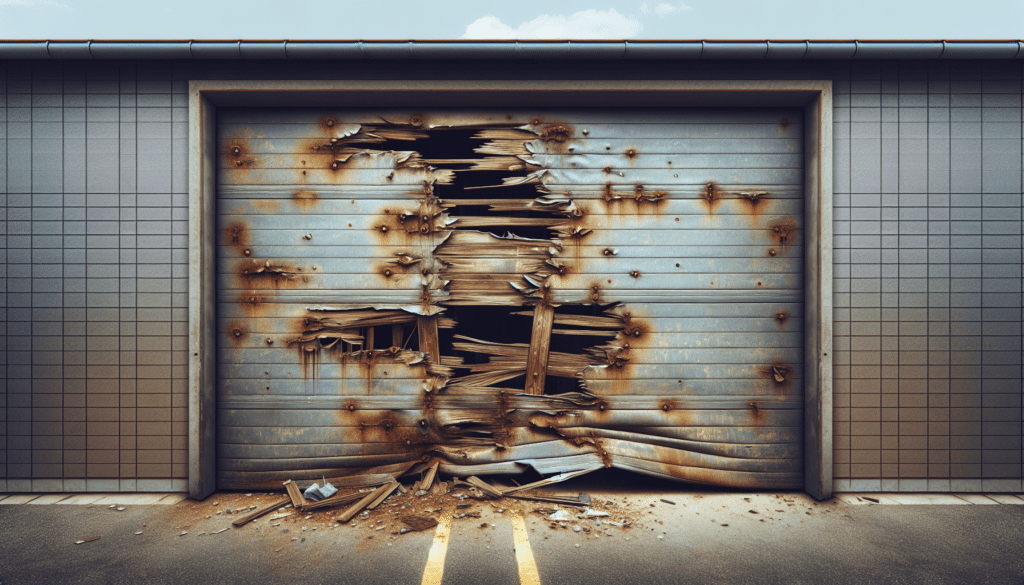
If your garage door has suffered structural damage, such as bent panels or tracks, it’s important to contact a professional for repairs. Attempting to fix structural damage yourself can lead to further issues and compromise the safety and security of your garage.
A qualified garage door repair technician can assess the extent of the damage and recommend the best course of action to repair or replace damaged components. This will ensure your garage door operates smoothly and securely.
Conclusion
In conclusion, maintaining and repairing your garage door doesn’t have to be overwhelming or costly. By being proactive and addressing issues as they arise, you can ensure your garage door operates smoothly and safely for years to come. With the right tools, knowledge, and a little bit of effort, you can tackle common garage door problems on your own and save time and money in the process. Remember, safety is paramount when working on your garage door, so always follow proper procedures and seek professional help when needed. Your garage door will thank you for it!