Welcome to our article on furniture repair! In this piece, you will discover the importance of maintaining and repairing your furniture to prolong its lifespan and keep it looking as good as new. From simple fixes like tightening screws to more extensive restoration projects, taking care of your furniture can not only save you money but also preserve its beauty for years to come. So grab your tools and let’s dive into the world of furniture repair! Have you ever found yourself staring at a cherished piece of furniture that’s seen better days, wondering if it’s possible to bring it back to its former glory? Whether it’s a beloved family heirloom, a vintage thrift store find, or just a piece of furniture that has sentimental value, furniture repair can be a cost-effective and eco-friendly way to breathe new life into your favorite pieces.
Understanding Furniture-Repair: What is it?
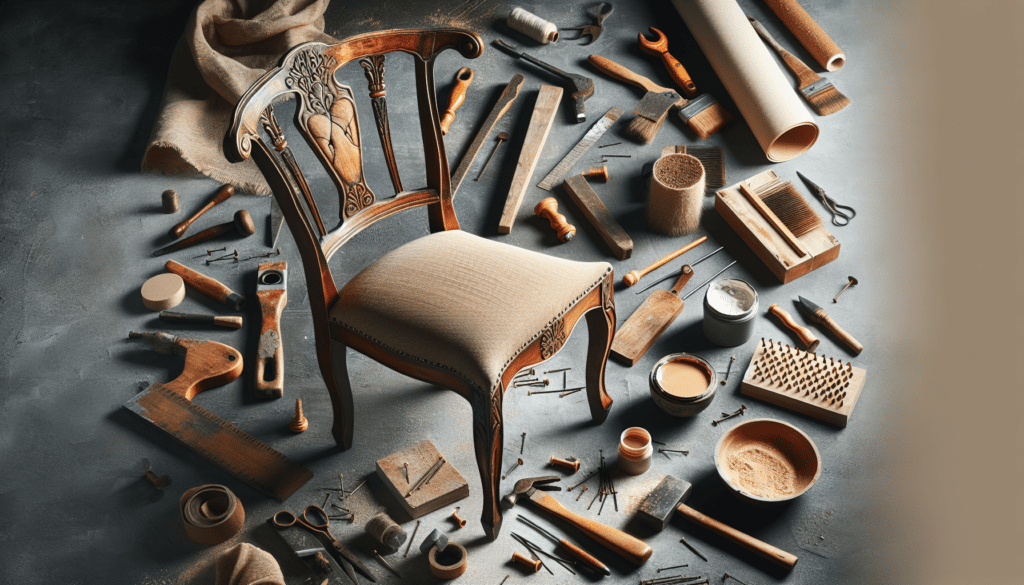
Furniture-repair is the process of fixing or restoring furniture that has been damaged or is showing signs of wear and tear. This can include repairing broken legs, fixing scratches and dents, reupholstering worn-out fabric, and refinishing faded or damaged wood.
Why should you consider Furniture-Repair?
Repairing your furniture can save you money compared to buying a new piece. It’s also a more sustainable option, as it reduces waste by extending the life of your furniture. Additionally, repairing old furniture can preserve its sentimental value and add character to your space.
Common Types of Furniture Damage
Before attempting to repair your furniture, it’s important to identify the type of damage it has sustained. Here are some common types of damage you may encounter:
Scratches and Dents
Scratches and dents are a common issue with wooden furniture. They can be caused by everyday use, moving the furniture, or accidents. While minor scratches can often be easily fixed with a touch-up pen or polish, deeper scratches and dents may require more extensive repairs.
Loose Joints and Hardware
Over time, the joints and hardware on furniture can become loose or detached. This can affect the stability and functionality of the piece. Replacing or reattaching loose joints and hardware can help prolong the life of your furniture.
Water Damage
Water damage is a serious issue that can cause furniture to warp, swell, or develop mold. If your furniture has been exposed to water, it’s important to address the damage as soon as possible to prevent further harm.
Upholstery Tears and Stains
Upholstered furniture can develop tears, stains, or wear over time. Repairing upholstery damage involves patching tears, cleaning stains, or completely reupholstering the piece.
Tools and Materials for Furniture-Repair
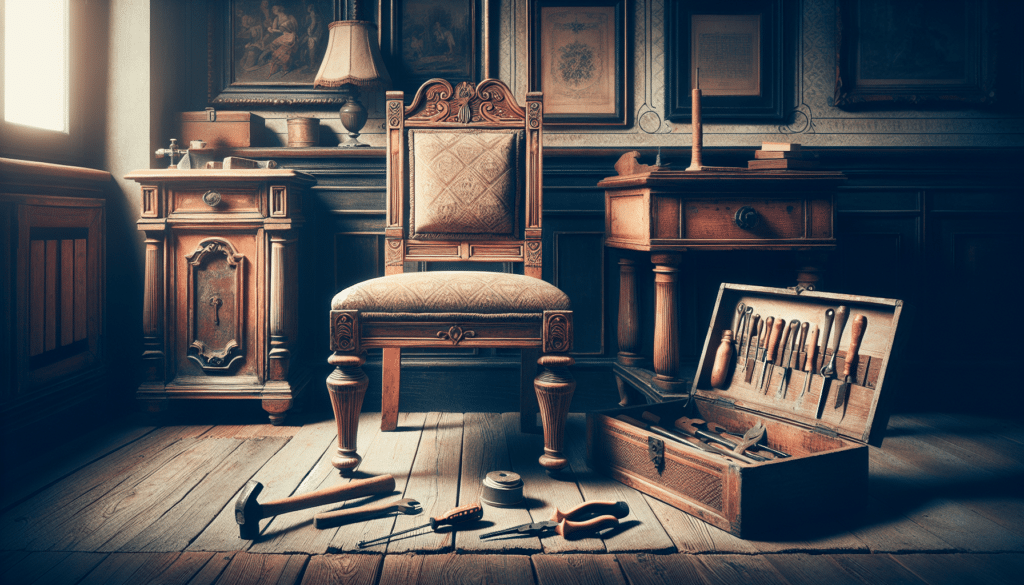
Before you start repairing your furniture, gather the necessary tools and materials. Here are some basic items you may need:
| Tools | Materials |
|---|---|
| Screwdriver | Wood glue |
| Hammer | Sandpaper |
| Pliers | Wood filler |
| Staple gun | Stain/paint |
| Upholstery needle | Fabric patch |
| Precision knife | Furniture wax |
Safety First
When working on furniture repair projects, always prioritize safety. Wear goggles to protect your eyes from debris, gloves to protect your hands, and a mask if working with chemicals or dust.
DIY Furniture-Repair Techniques
While some furniture repairs may require professional help, there are many simple fixes you can do yourself. Here are some common DIY furniture repair techniques:
Repairing Scratches and Dents
To repair minor scratches and dents on wooden furniture, start by cleaning the area with a soft cloth and mild cleaner. If the scratch is shallow, use a touch-up pen that matches the color of your furniture. For deeper scratches or dents, apply wood filler, sand the area until smooth, and then refinish with paint or stain.
Fixing Loose Joints and Hardware
If the joints or hardware on your furniture are loose, carefully remove them using a screwdriver or pliers. Apply wood glue to the joint or hole, reattach the hardware, and secure with screws or nails. Let the glue dry completely before using the furniture.
Reupholstering Furniture
To reupholster furniture, start by removing the old fabric, padding, and staples with a precision knife and staple remover. Cut the new fabric to size, attach it to the furniture frame using a staple gun, and add new padding if necessary. Finish by trimming any excess fabric and securing it in place.
Refinishing Wood Furniture
If your wood furniture is looking faded or damaged, refinish it to restore its beauty. Start by sanding the furniture with fine-grit sandpaper to remove the old finish. Apply a wood stain or paint in thin, even coats, and finish with a coat of furniture wax for added protection and shine.
When to Seek Professional Help
While many furniture repairs can be done at home, there are some instances where it’s best to seek professional help. Consider hiring a professional furniture repair expert if:
- The damage is extensive or requires specialized tools.
- You’re unsure of the best repair method for your furniture.
- The repair involves valuable or irreplaceable pieces.
Finding a Furniture-Repair Professional
When looking for a furniture-repair professional, ask for recommendations from friends and family, read online reviews, and check the credentials and experience of the repair expert. Make sure to get a written estimate and timeline for the repair before committing to the service.
Maintaining and Preventing Future Damage
To keep your furniture looking its best and prevent future damage, follow these maintenance tips:
- Dust and clean your furniture regularly to prevent dirt and debris buildup.
- Use coasters and placemats to protect furniture surfaces from water rings and heat damage.
- Avoid placing furniture in direct sunlight or near heaters to prevent fading and warping.
- Keep pets and sharp objects away from furniture to prevent scratches and tears.
By taking care of your furniture and addressing minor issues promptly, you can extend the life of your favorite pieces and enjoy them for years to come.
Conclusion
Furniture-repair is a valuable skill that can save you money, reduce waste, and preserve the beauty and functionality of your furniture. Whether you’re repairing a scratch, fixing a loose joint, or reupholstering a chair, there are DIY techniques you can try at home. For more complex repairs or valuable pieces, consider seeking professional help to ensure the job is done right. By maintaining and caring for your furniture, you can breathe new life into your beloved pieces and create a home that reflects your personal style and memories.