Welcome to an informative article on fire-protection and prevention. In this comprehensive guide, you will learn about the importance of fire safety measures, common causes of fires, and practical tips for preventing fires in your home or workplace. By following these guidelines, you can help protect yourself, your loved ones, and your property from the devastating effects of a fire. Let’s dive into the world of fire safety and prevention together! Are you prepared to protect yourself and your loved ones from the devastation of a fire? In this article, you will learn essential tips and strategies for fire protection and prevention that can make a significant difference in keeping your home and family safe. Let’s delve into the world of fire safety and discover how you can minimize the risks of fire hazards in your environment.
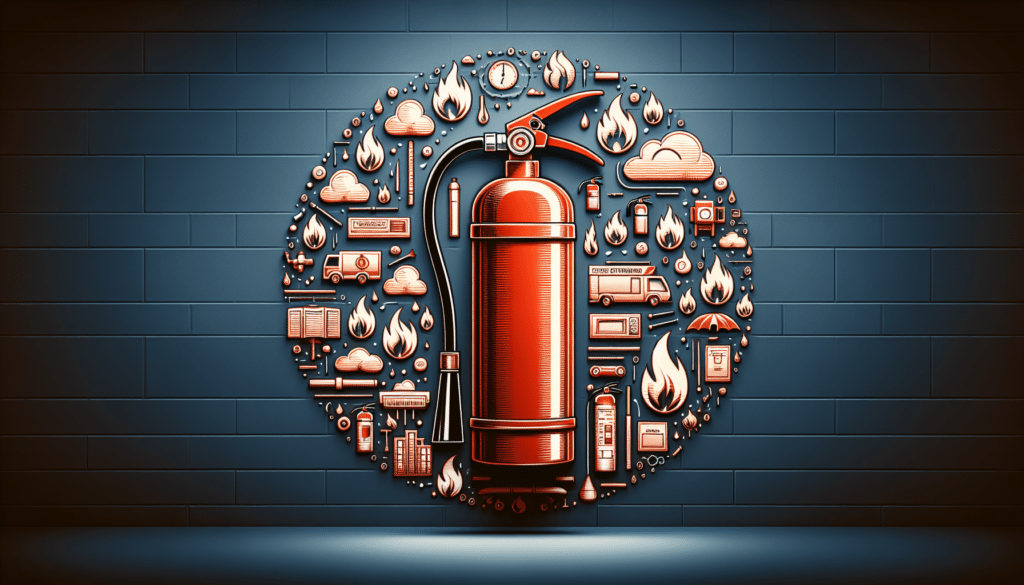
Understanding Fire and Its Dangers
Fires can cause immense damage to property, put lives in danger, and have long-lasting effects on individuals and communities. By understanding the nature of fires and their potential dangers, you can better prepare yourself to prevent and mitigate the risks.
Fires are classified into different categories based on the materials that fuel them. These categories include:
| Class A | Fires fueled by common combustible materials such as wood, paper, and cloth. |
|---|---|
| Class B | Fires fueled by flammable liquids such as oil, gasoline, and paint. |
| Class C | Fires originating from electrical equipment and wiring. |
| Class D | Fires fueled by combustible metals such as magnesium and titanium. |
| Class K | Fires involving cooking oils and fats in kitchens. |
Understanding the classification of fires can help you determine the appropriate methods for extinguishing them safely.
The Chemistry of Combustion
Fire is a chemical reaction that occurs when three elements come together: heat, fuel, and oxygen. This process is known as the fire triangle. By removing one of these elements, you can prevent or extinguish a fire.
- Heat: Heat is an essential element that raises the temperature of the fuel to its ignition point. By reducing heat sources and keeping flammable materials away from heat, you can reduce the risk of fire.
- Fuel: Fuel is any material that can burn. By storing combustible materials properly and keeping them away from potential ignition sources, you can prevent fires from starting.
- Oxygen: Oxygen is a vital component of the combustion process. By reducing the oxygen supply or smothering a fire with a fire extinguisher, you can extinguish a fire.
Recognizing the chemistry of combustion can help you identify potential fire hazards and take proactive measures to reduce the risk of fires in your environment.
Fire-Protection Strategies for Your Home
Protecting your home from fires requires a combination of preventive measures, safety practices, and emergency preparedness. By implementing the following fire-protection strategies, you can create a safer living environment for you and your family.
Smoke Alarms and Carbon Monoxide Detectors
Smoke alarms and carbon monoxide detectors are essential devices that can alert you to the presence of fire or dangerous gases in your home. It is crucial to install smoke alarms on every level of your home, including inside and outside sleeping areas. Carbon monoxide detectors should be placed near sleeping areas and in proximity to potential sources of carbon monoxide, such as gas appliances and fireplaces.
Regularly test your smoke alarms and carbon monoxide detectors to ensure they are functioning correctly. Change the batteries at least once a year and replace the devices every ten years. By installing and maintaining these life-saving devices, you can receive early warnings of fire and gas hazards and have precious time to evacuate safely.
Fire Extinguishers
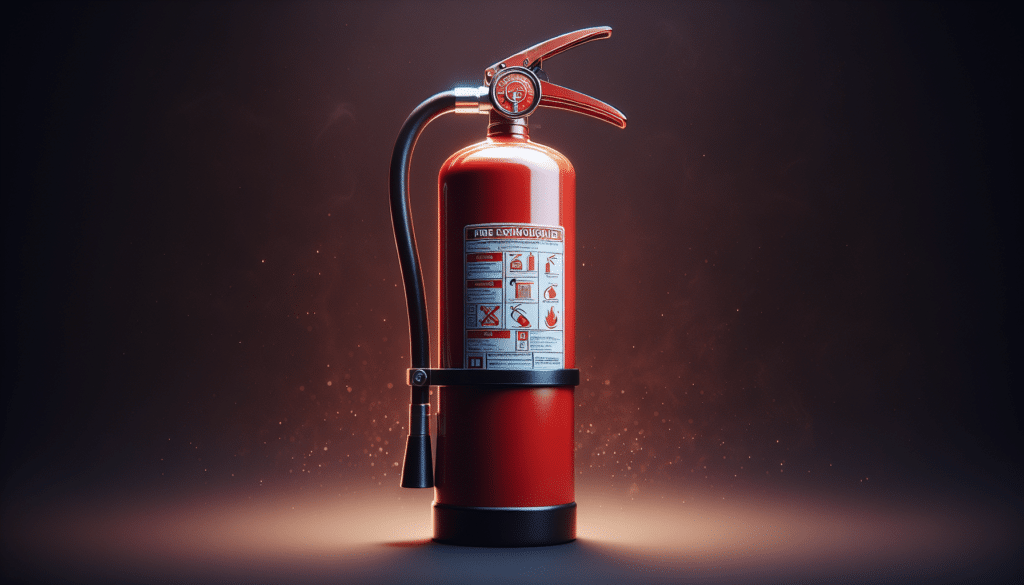
Fire extinguishers are essential tools for fighting small fires and preventing them from spreading. Make sure to have at least one fire extinguisher in your home and know how to use it effectively. Different types of fire extinguishers are designed to combat specific types of fires. Ensure you have the appropriate extinguisher for the potential fire hazards in your home.
Keep fire extinguishers in easily accessible locations, such as the kitchen, garage, and workshop. Familiarize yourself with the PASS technique for using a fire extinguisher:
- Pull the pin: Pull the pin at the top of the extinguisher to break the seal and prepare it for use.
- Aim the nozzle: Aim the nozzle or hose at the base of the fire to target the source of the flames.
- Squeeze the handle: Squeeze the handle to discharge the extinguishing agent.
- Sweep from side to side: Sweep the extinguisher from side to side while aiming at the base of the fire until it is extinguished.
By having fire extinguishers readily available and knowing how to operate them, you can quickly and effectively respond to small fires before they escalate.
Escape Plans and Routes
In the event of a fire, having a well-thought-out escape plan and designated escape routes can mean the difference between life and death. Sit down with your family to create a detailed escape plan that includes:
- Primary and secondary escape routes from each room in the home.
- A designated meeting place outside the home where everyone can gather after evacuating.
- Assigning responsibilities to each family member, such as assisting young children or the elderly.
- Practicing the escape plan regularly through fire drills to ensure everyone knows what to do in case of a fire.
Ensure that doors and windows are easily accessible and not blocked by furniture or clutter. Install escape ladders in second-story bedrooms to provide an additional means of escape. By preparing and practicing your escape plan, you can increase your chances of safely evacuating your home in an emergency.
Home Fire-Safety Inspections
Regular home fire-safety inspections can help you identify potential fire hazards and take corrective actions to reduce risks. Conduct a thorough inspection of your home at least once a year to check for:
- Frayed or damaged electrical cords.
- Overloaded power outlets and power strips.
- Improperly stored flammable materials.
- Blocked vents from heating appliances.
- Malfunctioning appliances and smoke alarms.
- Clutter and debris that can fuel fires.
Address any issues promptly and make the necessary repairs or upgrades to eliminate fire hazards. Consider enlisting the help of a professional fire-safety inspector to assess your home and provide expert recommendations for improving fire protection.
Fire-Prevention Tips for a Safer Environment
Preventing fires before they occur is a critical aspect of fire safety that can save lives and property. By implementing these fire-prevention tips in your daily life, you can reduce the likelihood of fires and create a safer environment for yourself and your loved ones.
Kitchen Safety
The kitchen is a common area where fires can easily start due to cooking activities and the presence of flammable materials. Practice the following kitchen safety tips to prevent fires:
- Never leave cooking food unattended on the stove.
- Keep flammable items such as potholders, dish towels, and curtains away from heat sources.
- Clean the stove and oven regularly to prevent grease buildup.
- Use caution when cooking with oil and never leave hot oil unattended.
- Keep a close eye on children in the kitchen to prevent accidents.
By practicing kitchen safety and taking precautions when cooking, you can minimize the risk of kitchen fires and ensure a safer cooking environment.
Electrical Safety
Electrical fires are a common hazard in homes and can be prevented by following proper electrical safety practices. Take the following steps to reduce the risk of electrical fires:
- Avoid overloading power outlets and power strips with too many appliances.
- Inspect electrical cords for signs of wear or damage and replace them if necessary.
- Do not run cords under carpets or rugs where they can overheat.
- Install tamper-resistant outlets to protect children from electrical shocks.
- Hire a licensed electrician to perform regular inspections and maintenance on your electrical system.
By practicing good electrical safety habits and addressing potential fire risks promptly, you can protect your home from electrical fires and keep your family safe.
Smoking Safety
Smoking is a leading cause of residential fires due to careless smoking practices and improper disposal of cigarette butts. If you smoke in or around your home, follow these smoking safety tips to prevent fires:
- Smoke outside and use designated ashtrays or containers filled with sand to extinguish cigarette butts.
- Never smoke in bed or when feeling drowsy.
- Keep lighters and matches out of reach of children.
- Do not dispose of cigarette butts in potted plants, outdoor trash cans, or flammable materials.
- Install smoke alarms in areas where smoking occurs to provide early warnings of fires.
By practicing responsible smoking habits and taking precautions to prevent fires caused by cigarettes, you can reduce the risk of smoking-related fires in your home.
Emergency Preparedness for Fire Incidents
Even with the best preventive measures in place, fires can still occur unexpectedly. Being prepared to handle fire incidents calmly and effectively can save lives and minimize property damage. By following these emergency preparedness tips, you can respond to fire emergencies with confidence and protect yourself and your loved ones.
Raising Awareness
Educate your family members, especially children, about fire safety practices and emergency procedures. Discuss the importance of fire drills, escape routes, and designated meeting places in case of a fire. Teach children how to respond to smoke alarms and the sound of a fire alarm to ensure they know what to do in an emergency.
Fire-Survival Kits
Prepare fire-specific survival kits containing essential items for surviving a fire emergency. Include items such as:
- Fire blankets and escape ropes for safely evacuating upper floors.
- Flashlights with extra batteries for navigating dark smoke-filled environments.
- Whistles and air horns for signaling for help.
- Protective masks and goggles to filter out smoke and debris.
- Cash, important documents, and spare keys in a waterproof container.
- First aid supplies and medications for treating injuries and emergencies.
Keep your fire-survival kits in easily accessible locations throughout your home and ensure all family members know where they are located.
Emergency Communication
Establish a clear communication plan for contacting emergency services, neighbors, and family members in case of a fire. Assign roles to each family member, such as calling 911, checking on pets, or assisting elderly relatives during an evacuation. Teach children how to dial 911 in an emergency and practice family communication drills regularly.
By being prepared and equipped with the necessary tools and knowledge, you can effectively respond to fire incidents and protect yourself and your loved ones from harm.
Conclusion
In conclusion, fire protection and prevention are vital aspects of maintaining a safe living environment for you and your family. By understanding the nature of fires, implementing fire-safety practices, and preparing for emergencies, you can reduce the risks of fires and respond effectively in case of a fire incident. Take proactive steps to protect your home and loved ones from the devastation of fire by following the tips and strategies outlined in this article. Remember, fire safety is a shared responsibility that requires everyone in the household to be vigilant and prepared for any fire emergencies that may arise. Stay safe, stay informed, and stay protected.