Welcome to the world of Home Energy Audits! In this article, you will learn all about the importance of conducting a home energy audit to save money, increase energy efficiency, and reduce your environmental impact. By analyzing your home’s energy usage, identifying areas of improvement, and implementing cost-effective solutions, you can enjoy a more comfortable and sustainable living space. Let’s dive in and discover how a simple audit can make a big difference in your home energy consumption. Have you ever wondered how you can make your home more energy efficient? Perhaps you’ve noticed your energy bills increasing and want to find ways to save money while also reducing your carbon footprint. One effective way to achieve this is by conducting a Home Energy Audit.
What is a Home Energy Audit?
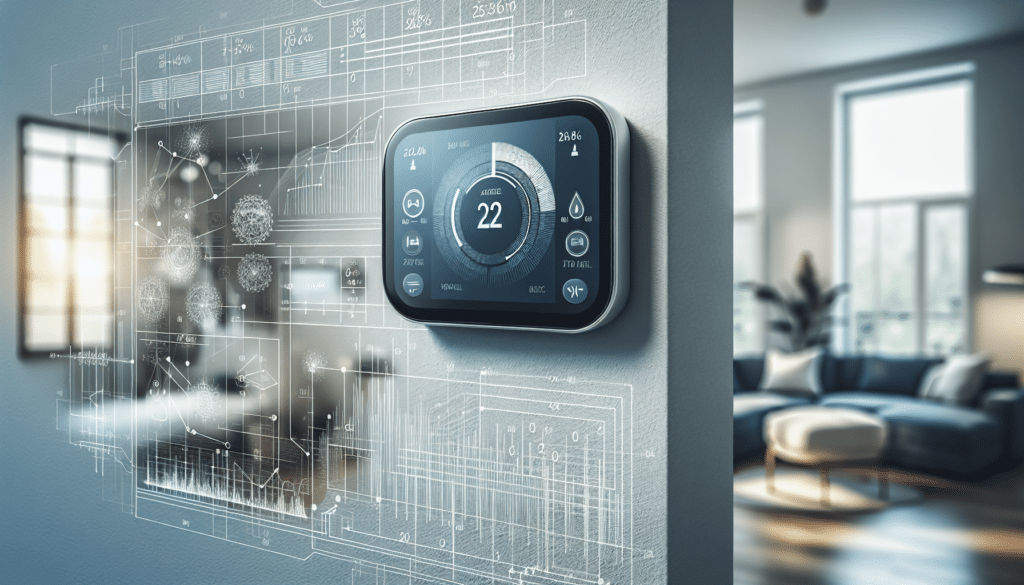
A Home Energy Audit is a comprehensive assessment of your home’s energy usage and efficiency. It involves a detailed inspection of various aspects of your home to identify areas where energy is being wasted. By conducting a Home Energy Audit, you can pinpoint specific areas that need improvement and develop a plan to make your home more energy efficient.
Home Energy Audit Checklist
- Inspecting insulation levels: Checking the insulation in your walls, floors, and ceilings can help determine if your home is properly insulated. Inadequate insulation can lead to significant energy loss, especially in extreme weather conditions.
- Assessing air leakage: Identifying drafts and air leaks in doors, windows, and other openings can help prevent energy loss and improve the overall comfort of your home.
- Evaluating heating and cooling systems: Assessing the efficiency of your HVAC system can reveal opportunities for upgrades or maintenance that could reduce energy consumption.
- Assessing lighting efficiency: Evaluating the types of light bulbs and fixtures used in your home can help identify opportunities for transitioning to energy-efficient options.
By following a Home Energy Audit checklist, you can systematically evaluate and address key areas of energy usage in your home.
Why Should You Conduct a Home Energy Audit?
Conducting a Home Energy Audit can offer several benefits to you as a homeowner. By identifying areas of energy waste and inefficiency, you can:
- Save money: Improving the energy efficiency of your home can lead to lower energy bills over time. By making targeted upgrades based on the findings of a Home Energy Audit, you can optimize your home’s energy consumption and reduce your monthly expenses.
- Increase comfort: Addressing drafts, inadequate insulation, and other issues revealed by a Home Energy Audit can enhance the comfort of your living space. A well-sealed and properly insulated home can maintain consistent temperatures and reduce hot or cold spots.
- Reduce environmental impact: Lowering your home’s energy consumption can help reduce your carbon footprint and contribute to environmental sustainability. By using energy more efficiently, you can minimize greenhouse gas emissions and lessen the strain on natural resources.
Overall, conducting a Home Energy Audit can lead to financial savings, improved comfort, and environmental benefits for both you and the planet.
Cost of a Home Energy Audit
The cost of a Home Energy Audit can vary depending on the size and complexity of your home, as well as the level of detail provided by the auditor. On average, a Home Energy Audit can cost anywhere from $300 to $800.
While this initial investment may seem significant, the long-term savings and benefits resulting from energy efficiency improvements can outweigh the upfront cost. Additionally, some utility companies and government programs offer rebates or incentives for conducting a Home Energy Audit and making energy-efficient upgrades to your home.
How to Prepare for a Home Energy Audit
Before scheduling a Home Energy Audit, there are a few steps you can take to prepare for the assessment:
- Gather utility bills: Collect your past utility bills, including electricity, gas, and water, to provide the auditor with a comprehensive overview of your energy usage over time.
| Month | Electricity | Gas | Water |
|---|---|---|---|
| January | 500 kWh | 50 Therms | 2,000 gallons |
| February | 450 kWh | 45 Therms | 1,800 gallons |
| March | 520 kWh | 55 Therms | 2,100 gallons |
-
Identify areas of concern: Take note of any specific areas in your home where you have noticed energy issues, such as drafts, temperature fluctuations, or high humidity levels.
-
Make a list of questions: Prepare a list of questions or concerns you have about your home’s energy efficiency, which you can discuss with the auditor during the assessment.
By taking these steps, you can ensure a more productive and informative Home Energy Audit experience.
Finding a Qualified Auditor
When selecting an auditor to conduct your Home Energy Audit, it’s essential to choose a qualified professional with the necessary expertise and credentials. Look for auditors who are certified by reputable organizations such as the Building Performance Institute (BPI) or the Residential Energy Services Network (RESNET).
A qualified auditor will have the knowledge and experience to assess your home accurately and provide recommendations for energy efficiency improvements tailored to your specific needs.
What to Expect During a Home Energy Audit
During a Home Energy Audit, the auditor will conduct a thorough inspection of your home, focusing on key areas that impact energy usage and efficiency. Here’s what you can expect during the audit process:
-
Visual inspection: The auditor will visually inspect various areas of your home, such as the attic, walls, windows, doors, and HVAC system, to identify potential energy issues.
-
Testing equipment: The auditor may use specialized equipment, such as a blower door test or infrared camera, to assess air leakage, insulation levels, and HVAC efficiency.
-
Interview: The auditor may ask you questions about your energy usage habits, comfort preferences, and any concerns you have regarding your home’s energy efficiency.
-
Recommendations: After completing the assessment, the auditor will provide you with a detailed report outlining their findings, along with recommendations for energy efficiency improvements.
By following these steps, the auditor can help you gain valuable insights into your home’s energy performance and guide you in making informed decisions about energy-saving upgrades.
Benefits of a Professional Home Energy Audit
- Expertise: Professional auditors have the knowledge and skills to identify energy issues that may not be readily apparent to homeowners.
- Comprehensive evaluation: A thorough Home Energy Audit covers multiple aspects of your home, providing a holistic view of its energy efficiency.
- Customized recommendations: A professional auditor can offer personalized recommendations based on the specific needs of your home and lifestyle.
By investing in a professional Home Energy Audit, you can access expert guidance and tailored solutions to improve your home’s energy efficiency.
Recommended Energy Efficiency Upgrades
Once you receive the findings and recommendations from your Home Energy Audit, it’s essential to prioritize and implement energy efficiency upgrades that align with your needs and budget. Here are some common upgrades recommended by auditors:
Insulation Upgrades
- Adding insulation: Increasing the insulation levels in your attic, walls, and floors can reduce heat loss in the winter and heat gain in the summer, leading to improved energy efficiency.
- Sealing air leaks: Sealing gaps and cracks in walls, doors, and windows can prevent air leakage and enhance the effectiveness of your insulation.
HVAC System Improvements
- Upgrading to a high-efficiency furnace or heat pump: Installing a more efficient heating system can lower your energy bills and improve comfort.
- Regular maintenance: Scheduling routine maintenance for your HVAC system can ensure optimal performance and longevity.
Lighting and Appliance Upgrades
- Switching to LED bulbs: Replacing incandescent bulbs with energy-efficient LED bulbs can reduce energy consumption and lower lighting costs.
- Upgrading to ENERGY STAR appliances: Investing in appliances with the ENERGY STAR label can lead to significant energy savings over time.
By making these energy efficiency upgrades, you can enhance the comfort, affordability, and sustainability of your home while reducing your environmental impact.
Cost and Savings Analysis
Before proceeding with energy efficiency upgrades, it’s essential to conduct a cost and savings analysis to evaluate the potential return on investment. Calculate the upfront costs of the upgrades, including materials and labor, and compare them to the expected energy savings over time.
| Energy Efficiency Upgrade | Upfront Cost | Expected Annual Savings | Payback Period |
|---|---|---|---|
| Add insulation to attic | $1,000 | $200 | 5 years |
| Upgrade HVAC system | $3,500 | $400 | 8 years |
| Install LED bulbs | $200 | $50 | 4 years |
By conducting this analysis, you can make informed decisions about which energy efficiency upgrades to prioritize based on your budget and expected savings.
Maintaining Energy Efficiency
Once you have implemented energy efficiency upgrades in your home, it’s essential to maintain these improvements to ensure long-term performance and savings. Here are some tips for maintaining energy efficiency:
- Regular maintenance: Schedule annual maintenance for your HVAC system and check insulation levels periodically to ensure they meet recommended standards.
- Monitor energy usage: Keep track of your energy bills and usage over time to identify any changes or anomalies that may indicate energy issues.
By taking proactive steps to maintain energy efficiency in your home, you can continue to enjoy the benefits of lower energy bills, increased comfort, and reduced environmental impact.
Conclusion
In conclusion, conducting a Home Energy Audit is a valuable investment that can lead to significant benefits for you as a homeowner. By identifying areas of energy waste and inefficiency in your home, you can save money, increase comfort, and reduce your environmental impact. By following the recommendations of a professional auditor and implementing energy efficiency upgrades, you can optimize your home’s energy performance and create a more sustainable living environment.
So, are you ready to take the first step towards a more energy-efficient home? Schedule a Home Energy Audit today and start on the path to savings, comfort, and sustainability.