Welcome to the world of interior decorating! As an interior decorator, you have the exciting opportunity to transform living spaces into beautiful havens that reflect the personal style and preferences of your clients. From choosing the perfect color scheme to selecting furniture and decor that enhance the room’s functionality and aesthetic appeal, your role is crucial in creating spaces that bring joy and comfort to those who inhabit them. Get ready to unleash your creativity and make dreams a reality with your keen eye for design and attention to detail.
Have you ever dreamed of transforming spaces into beautiful and functional rooms?
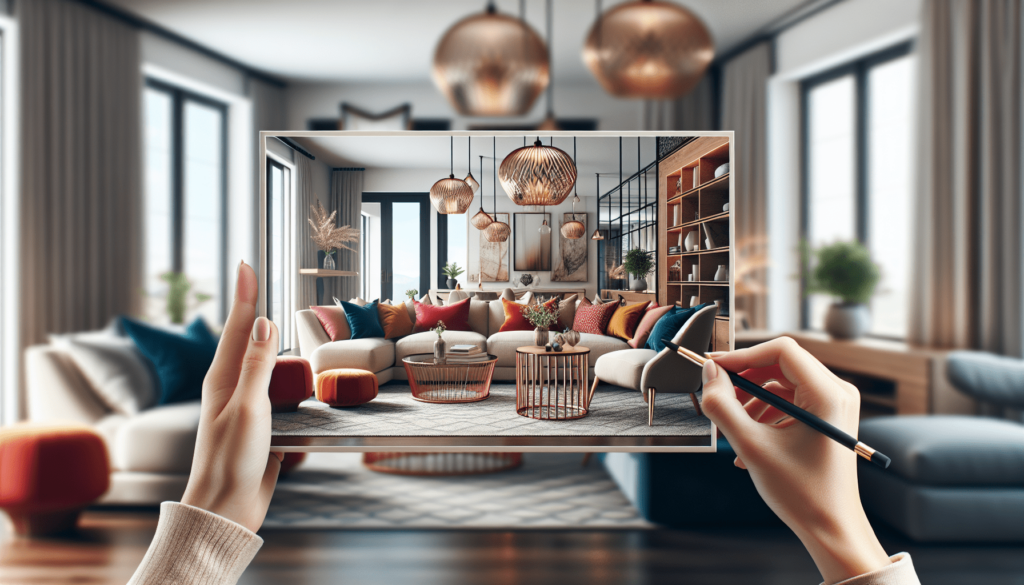
If you have a passion for design and creating inviting spaces, a career as an interior decorator may be the perfect fit for you. In this article, we will explore what it takes to become an interior decorator and how you can turn your love for design into a fulfilling profession.
What is an Interior Decorator?
An interior decorator is a professional who specializes in creating aesthetically pleasing and functional interior spaces. They work closely with clients to understand their needs, preferences, and budget in order to design spaces that reflect their personal style and lifestyle.
How does an Interior Decorator differ from an Interior Designer?
While both interior decorators and interior designers work to create beautiful spaces, there are some key differences between the two professions. Interior designers typically have more formal education and training, focusing on the structural and architectural aspects of a space, while interior decorators focus primarily on the aesthetics and decorative elements. Interior decorators may also have a more flexible schedule and budget-friendly options for clients.
Education and Training
To become an interior decorator, you do not necessarily need a formal degree, but completing a certification program or obtaining an associate’s degree in interior decorating can provide you with the skills and knowledge needed to succeed in this field. Look for programs that cover topics such as design principles, color theory, space planning, and furniture styles. Additionally, gaining practical experience through internships or assisting established decorators can be invaluable in building your portfolio and network.
Developing Your Style
As an interior decorator, developing your own unique style is key to standing out in the industry. Experiment with different design trends, color palettes, and furniture styles to discover what resonates with you and speaks to your personal aesthetic. Whether you prefer modern minimalism, bohemian chic, or classic elegance, finding your signature style will help you attract clients who share your design sensibilities.
Building Your Portfolio
Building a strong portfolio is essential for showcasing your design skills and attracting potential clients. Include high-quality photos of completed projects, before-and-after transformations, and design boards that highlight your creative vision. Consider creating a website or social media pages to reach a wider audience and connect with potential clients who are looking for your design expertise.
Working with Clients
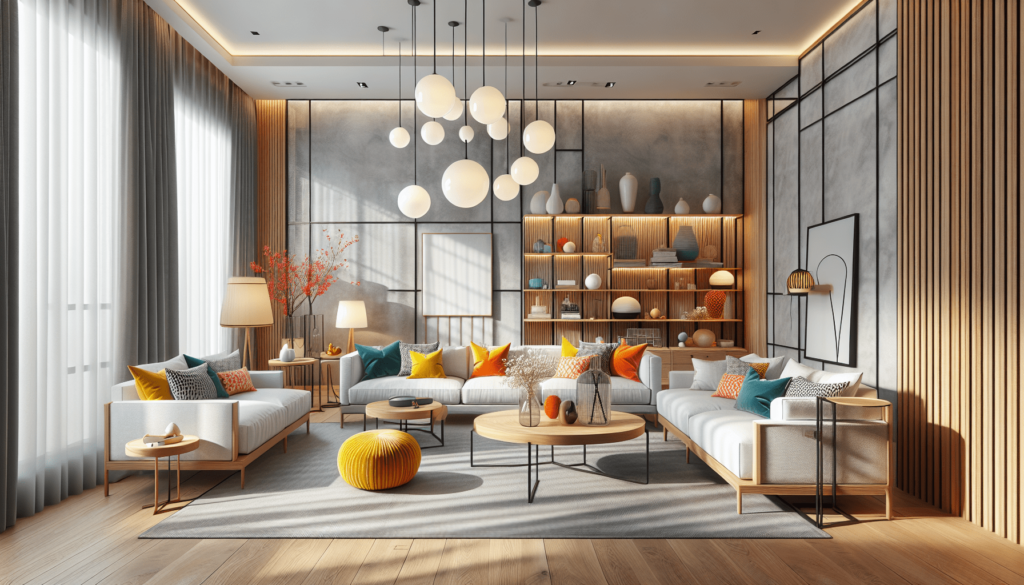
Building strong relationships with clients is crucial for a successful career as an interior decorator. Take the time to listen to their needs and preferences, and communicate openly and honestly throughout the design process. Keep an open mind and be flexible in incorporating their feedback and ideas into your designs, while also offering your expertise and guidance to create spaces that exceed their expectations.
Budgeting and Pricing
As an interior decorator, understanding budgeting and pricing is essential for managing projects effectively and providing clients with transparent pricing options. Create detailed proposals outlining the scope of work, materials and furnishings required, and labor costs involved. Be upfront about your pricing structure and any additional fees, so clients know what to expect and can make informed decisions about their design investments.
Color Theory and Psychology
Color plays a crucial role in interior decorating, influencing the mood and atmosphere of a space. Understanding color theory and psychology can help you create harmonious and visually appealing designs that resonate with clients on an emotional level. Experiment with different color palettes, textures, and finishes to create a cohesive and inviting environment that reflects your client’s personality and lifestyle.
Space Planning and Layout
Space planning and layout are key components of interior decorating, helping you optimize the functionality and flow of a room. Consider factors such as furniture placement, traffic patterns, and focal points when designing a space to ensure that it is both aesthetically pleasing and practical for everyday use. Use tools such as floor plans, furniture templates, and 3D modeling software to visualize and experiment with different layout options before finalizing your design.
Furniture and Accessories
Selecting the right furniture and accessories is essential for bringing your design vision to life. Consider factors such as scale, proportion, balance, and harmony when choosing furniture pieces that complement the overall style and aesthetics of a room. Mix and match different textures, patterns, and materials to add depth and visual interest to your design, and accessorize with items such as rugs, artwork, lighting fixtures, and decorative accents to enhance the ambiance of a space.
Trends and Inspirations
Staying updated on the latest design trends and inspirations is crucial for keeping your designs fresh and relevant in the ever-evolving world of interior decorating. Explore design magazines, websites, social media platforms, and industry events to discover new ideas and innovations that resonate with your design sensibilities. Draw inspiration from different cultures, art movements, fashion trends, and nature to create unique and personalized interiors that reflect your creativity and passion for design.
Networking and Marketing
Networking and marketing are essential for growing your client base and establishing yourself as a reputable interior decorator in the industry. Attend industry events, trade shows, and networking mixers to connect with other professionals, suppliers, and potential clients. Create a strong online presence through social media platforms, a professional website, and online directories to showcase your portfolio and attract new clients. Consider partnering with real estate agents, home staging companies, and design firms to expand your network and collaborate on projects that can enhance your visibility and credibility as a decorator.
Continuing Education and Professional Development
The field of interior decorating is constantly evolving, with new trends, technologies, and design innovations shaping the way we create and experience interior spaces. To stay competitive and up-to-date in the industry, consider pursuing continuing education courses, workshops, and certifications that expand your skills and knowledge in areas such as sustainable design, digital rendering, and smart home technology. Join professional organizations such as the American Society of Interior Designers (ASID) or the Interior Design Society (IDS) to access resources, networking opportunities, and industry insights that can support your professional growth and development as a decorator.
Conclusion
Becoming an interior decorator is a rewarding and fulfilling career that allows you to unleash your creativity, make a positive impact on people’s lives, and transform ordinary spaces into extraordinary environments. By honing your design skills, building a strong portfolio, developing your unique style, and building relationships with clients and industry professionals, you can create inspiring interiors that reflect your passion for design and delight your clients. Embrace the challenges and opportunities that come with being an interior decorator, and let your imagination and vision guide you in creating spaces that are as beautiful as they are functional. Remember, the key to success lies in your dedication, passion, and commitment to creating spaces that inspire and uplift those who inhabit them. Happy decorating!