Welcome to an article all about major repairs for your home caused by dry rot, water damage, or pest infestations. Dealing with these issues can be overwhelming, but fear not! In this article, we will discuss the causes of these damages, signs to look out for, and the steps you can take to repair and prevent them in the future. You’ll be equipped with the knowledge you need to protect your home and keep it in top shape. So sit back, relax, and let’s dive into how to tackle these major repair projects with ease. Have you noticed any signs of damage on your property? Are you unsure whether it’s dry rot, water damage, or pest damage causing the issues? In this article, I’ll walk you through the differences between dry rot, water damage, and pest damage, as well as how to handle major repairs. By the end of this article, you’ll have a better understanding of what you’re dealing with and how to address the problem effectively.
Understanding Dry Rot
Dry rot is a type of fungus that thrives in damp, poorly ventilated areas. It typically affects wood and can cause significant damage if left untreated. Signs of dry rot include musty odors, cracked or crumbling wood, and a white or grey growth on the surface of the wood.
If you suspect dry rot in your home, it’s essential to address the issue promptly before it spreads and causes further damage. To treat dry rot, you’ll need to remove the affected wood and replace it with new, treated wood. Additionally, you’ll need to address the root cause of the moisture problem to prevent dry rot from returning.
Identifying Dry Rot Damage
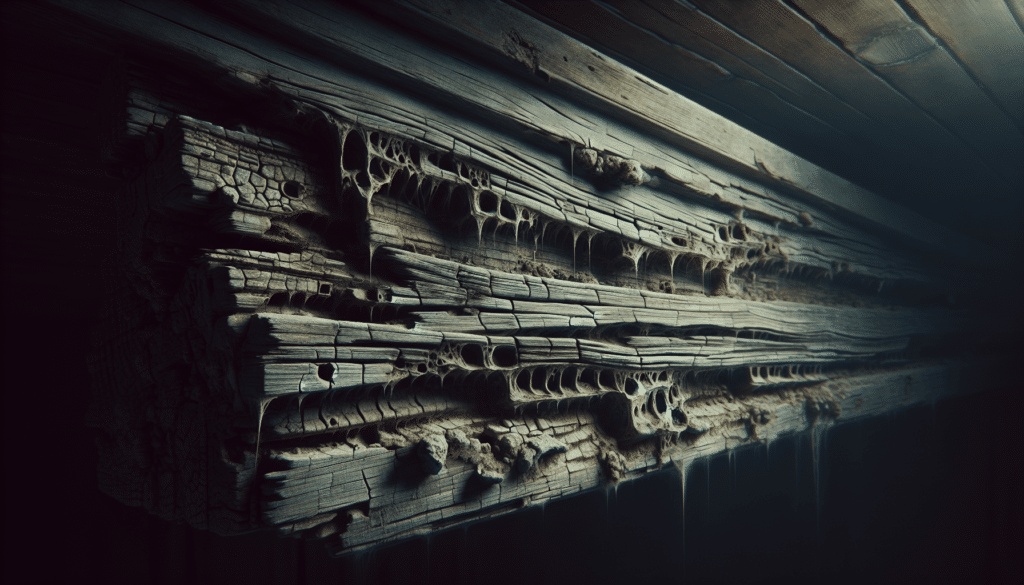
Dry rot damage can vary depending on the severity of the infestation. In the early stages, you may notice small patches of white or grey fungus on the wood. As the dry rot progresses, the wood may become soft and crumble easily when touched. Eventually, the wood may lose its structural integrity, putting the safety of your home at risk.
If you suspect dry rot in your home, it’s crucial to conduct a thorough inspection to identify the extent of the damage. Look for signs of fungus growth, cracking or crumbling wood, and musty odors. If you’re unsure whether the damage is due to dry rot or another issue, consider hiring a professional to assess the situation.

Dealing with Water Damage
Water damage is a common issue in homes and can result from various sources, such as leaking pipes, roof leaks, or flooding. Water damage can lead to mold growth, structural damage, and health hazards if not addressed promptly. Signs of water damage include water stains, peeling paint, and musty odors.
When dealing with water damage, it’s crucial to act quickly to minimize the extent of the damage. Start by identifying and fixing the source of the water intrusion. Next, remove any standing water and dry out the affected area. Finally, assess the damage and make repairs as needed to prevent mold growth and further damage.
Recognizing Signs of Water Damage
Water damage can manifest in different ways, depending on the source of the water intrusion. Common signs of water damage include:
- Water stains on ceilings or walls
- Peeling or bubbling paint
- Musty odors
- Warped or buckling floors
If you notice any of these signs in your home, it’s essential to investigate the cause of the water damage and address it promptly. Ignoring water damage can lead to more significant issues down the line, such as mold growth and structural damage.

Identifying Pest Damage
Pest damage can be just as destructive as dry rot or water damage, depending on the type of pests infesting your property. Common pests that cause damage include termites, carpenter ants, and powderpost beetles. Signs of pest damage may include wood shavings, small holes in wood, and insect sightings.
If you suspect pest damage in your home, it’s essential to act quickly to prevent further damage and infestation. Depending on the type of pests involved, you may need to call a professional exterminator to handle the infestation. Once the pests are eradicated, you’ll need to repair any damage they caused to ensure the structural integrity of your home.
Understanding Common Pest Infestations
Different pests can cause damage to your property in various ways. Some common pest infestations to watch out for include:
- Termites: Termites feed on wood and can cause significant structural damage to your home. Signs of termite infestation include mud tubes, discarded wings, and hollow-sounding wood.
- Carpenter Ants: Carpenter ants tunnel through wood to build their nests, which can weaken the structure of your home over time. Signs of carpenter ant infestation include wood shavings, small holes in wood, and rustling sounds in the walls.
- Powderpost Beetles: Powderpost beetles feed on hardwoods and can cause damage to floors, furniture, and structural beams. Signs of powderpost beetle infestation include small exit holes in wood, powdery sawdust, and beetle sightings.
If you suspect a pest infestation in your home, it’s crucial to act quickly to prevent further damage and protect your property. Contact a professional pest control company to assess the situation and develop a treatment plan.
Taking on Major Repairs
Depending on the extent of the damage to your property, you may need to take on major repairs to restore the integrity of your home. Major repairs can include replacing damaged wood, repairing structural components, and addressing any underlying issues that led to the damage in the first place.
When tackling major repairs, it’s essential to have a plan in place and to work methodically to address each issue effectively. Start by assessing the extent of the damage and developing a timeline for completing the repairs. If you’re unsure how to proceed, consider hiring a professional contractor to assist with the repairs.
Hiring a Professional Contractor
If you’re dealing with extensive damage to your property, hiring a professional contractor can save you time and ensure the repairs are done correctly. Look for a contractor with experience in handling the type of damage you’re facing, whether it’s dry rot, water damage, or pest damage.
Before hiring a contractor, be sure to check their credentials, read reviews from past clients, and get multiple quotes for the work. Ensure the contractor is licensed and insured and provides a detailed contract outlining the scope of work, timeline, and cost of the repairs.

Conclusion
In conclusion, dry rot, water damage, and pest damage can all wreak havoc on your property if left untreated. It’s essential to identify the cause of the damage promptly and take action to address the issue before it escalates. By understanding the differences between dry rot, water damage, and pest damage, you’ll be better equipped to handle major repairs and protect the integrity of your home. If you’re unsure how to proceed, don’t hesitate to seek help from a professional contractor who can assist you in restoring your property to its former glory.