Septic System-Install Or Replace
Hello there! If you need a new septic system or are considering replacing your old one, this article is just for you. We’ll discuss the importance of a functioning septic system, the signs that it may need to be replaced, and the benefits of installing a new system.
By the end of this read, you’ll understand the process and be closer to making an informed decision about your septic system needs. Let’s dive in! Are you considering installing a new septic system or replacing your existing one? You’ve come to the right place! In this friendly and informative article, we will guide you through the process and help you make the best decision for your home. Let’s get started!
Understanding Septic Systems
Before we decide whether to install or replace a septic system, let’s first understand what it is and how it works. A septic system is an underground wastewater treatment system commonly used in areas without a municipal sewage system connection.
Components of a Septic System
A typical septic system consists of three main components: a septic tank, a drain field (or leach field), and the soil below the drain field. Wastewater from your home flows into the septic tank first. Solid waste settles at the bottom of the tank, while liquid waste flows out into the drain field.
How a Septic System Works
When wastewater enters the septic tank, it is separated into three layers: solids sink to the bottom, fats and oils float to the top, and liquid effluent flows into the drain field. The soil below the drain field acts as a natural filter, treating the wastewater before it enters the groundwater.
Signs That You May Need to Install or Replace Your Septic System
Now that you have a basic understanding of how septic systems work, let’s explore some common signs that indicate you may need to install a new one or replace your existing one.
Signs That You Need to Install a New Septic System
- You are building a new home in a rural area without access to a municipal sewage system.
- Your old septic system has failed and is beyond repair.
- Your current septic system is too small to handle the wastewater generated by your household.
- You have upgraded your home or added additional bedrooms or bathrooms, increasing the amount of wastewater generated.
Signs That You Need to Replace Your Existing Septic System
- Your septic system is over 20 years old and has not been adequately maintained.
- You are experiencing frequent backups or clogs in your plumbing.
- The drain field is flooded or has standing water on it.
- You can smell sewage odors in your yard or home.
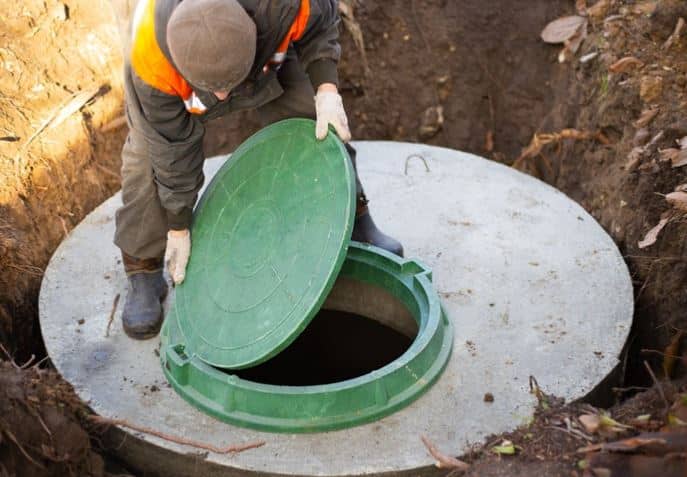
Steps To Install a New Septic System
If you have determined that you need to install a new septic system, here are the steps you need to take to get the job done.
Step 1: Obtain Permits
Before installing a new septic system, you must obtain the necessary permits from your local health department or environmental agency. These permits ensure that your septic system meets local regulations and environmental standards.
Step 2: Design the System
Next, you must work with a septic system designer to create a plan for your new septic system. The designer will consider the size of your home, the number of bedrooms and bathrooms, the soil composition on your property, and other factors to design a system that meets your needs.
Step 3: Excavation and Installation
Once the permits and design are in place, the next step is excavation and installation. A backhoe will dig a hole for the septic tank and drain field, and the components will be installed according to the design plan.
Step 4: Inspection and Approval
After installing the system, it must be inspected by a local health department or environmental agency to ensure it meets all regulations and standards. Once approved, you can start using your new septic system.
Steps To Replace an Existing Septic System
If you have determined that you need to replace your existing septic system, here are the steps you need to take to get the job done.
Step 1: Assess the Situation
Before replacing your septic system, you must look over its current condition. A professional septic system inspector can help you determine whether a replacement is necessary.
Step 2: Obtain Permits
Just like installing a new septic system, replacing an existing system requires permits from your local health department or environmental agency. Please ensure you have all the necessary paperwork before starting the replacement process.
Step 3: Choose a Replacement System
Several septic systems are available, including conventional gravity, pressure distribution, and aerobic treatment units. A septic system professional can help you choose the best replacement system for your home.
Step 4: Excavation and Installation
Once you have chosen a replacement system, the next step is excavation and installation. The old septic system components will need to be removed, and the new system will need to be installed according to the design plan.
Step 5: Inspection and Approval
After installation, the new septic system must be inspected and approved by the local health department or environmental agency before it can be used.
Costs of Installing or Replacing a Septic System
The cost is one of the most significant factors when deciding whether to install or replace a septic system. The price can vary depending on several factors, including the size of the system, the type of system, the soil conditions on your property, and the location of your home.
Cost of Installing a New Septic System
Installing a new septic system can cost between $3,000 and $7,000. However, this cost can be higher depending on the factors mentioned above. Getting quotes from several septic system professionals is essential to get an accurate estimate.
Cost of Replacing an Existing Septic System
The cost of replacing an existing septic system can be higher than installing a new system, depending on its condition and the type of replacement system chosen. The replacement cost can range from $5,000 to $12,000 or more.
Maintenance Tips for Your Septic System
Whether you have installed a new septic system or replaced your existing one, proper maintenance is crucial to ensure its longevity and efficiency. Here are some maintenance tips to keep your septic system in good condition.
Regular Pumping
It is essential to have your septic tank pumped regularly to remove solid waste that accumulates at the bottom of the tank. The pumping frequency will depend on the size of your tank and the number of people in your household. On average, septic tanks should be pumped every 3 to 5 years.
Water Conservation
Conserving water is crucial for the health of your septic system. Excess water can overload the system and reduce its effectiveness. Repair any leaks in faucets or toilets and avoid running multiple water-intensive appliances simultaneously.
Proper Disposal of Waste
Only human waste and toilet paper should be flushed down the toilet. Avoid flushing items like diapers, wipes, feminine products, grease, or chemicals, as they can clog or damage your septic system.
Avoid Harsh Chemicals
Harsh chemicals can kill the beneficial bacteria in your septic tank that help break down waste. Use septic-safe cleaning products and avoid using chemical drain cleaners.
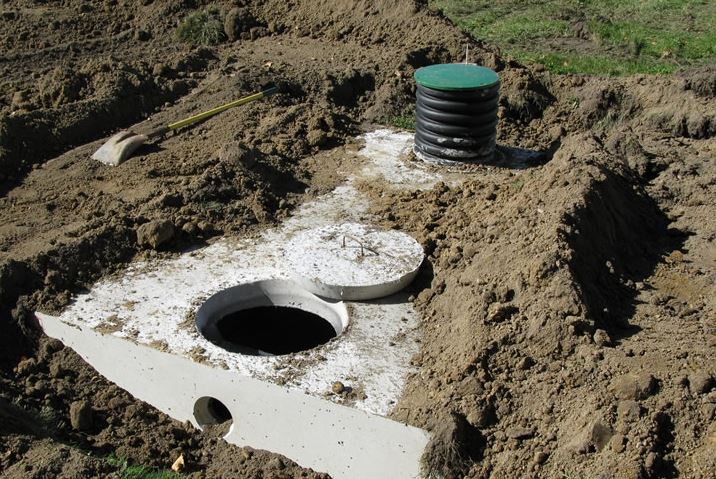
Suppose you’re considering installing a new septic system or replacing your existing one. In that case, evaluating your needs is essential, as obtaining the necessary permits and working with a professional to ensure the job is done correctly.
By following the steps outlined in this article and practicing proper maintenance, you can keep your septic system running smoothly for years. If you have any questions or need more help, please contact a qualified septic system professional.
Septic System – Install Or Replace
Septic systems are crucial for homes not connected to a municipal sewage system. They are responsible for treating and disposing of household wastewater safely and efficiently. Like any other system, septic systems have a lifespan and may need to be replaced or upgraded at some point; in this blog post, we will discuss when it’s time to install or replace a septic system.
Signs that indicate your septic system needs replacement –
- Pooling water in the yard
- Sewage backups
- Foul odors
- Slow-draining sinks and toilets
- Overgrown grass near the drain field
If you notice any of these signs, could you call a professional septic system contractor to assess the situation? Ignoring these warning signs can lead to more severe issues and potential health hazards.
Installing a new septic system –
When it’s time to install a new septic system, there are several factors to consider –
- Size of the property and the number of residents
- Soil composition
- Local regulations and permits
- Type of septic system (conventional aerobic or mound system)
A professional septic system contractor will assess these factors and recommend the best septic system for your property. They will handle the installation process from start to finish, ensuring the system meets all regulatory requirements and functions correctly.
Replacing an existing septic system –
If your current septic system is no longer functioning correctly or is reaching the end of its lifespan, it’s time to consider replacing it. Old septic systems can pose health risks and environmental hazards if not replaced promptly. Here are some reasons why you may need to replace your septic system –
- Age of the system (typically 20 30 years)
- Damage from tree roots or heavy machinery
- Changes in household size or water usage
- Increasing maintenance and repair costs
Replacing a septic system is a significant investment, but it’s essential for the health and safety of your family and the environment. A professional septic system contractor will assess the condition of your existing system and provide recommendations for replacement options.
Cost of installing or replacing a septic system –
The cost of installing or replacing a septic system varies depending on several factors, including –
- Size and complexity of the system
- Type of septic system chosen
- Site preparation and excavation costs
- Permitting and regulatory fees
- Labor and materials
Multiple quotes from reputable septic system contractors are crucial to comparing prices and services. Investing in a high-quality septic system is essential for your property’s long-term health and safety.
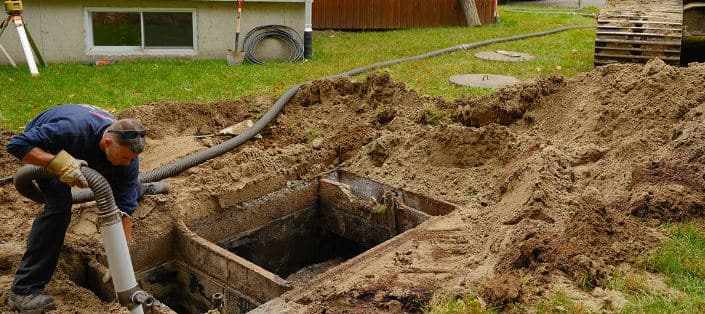
Maintaining your septic system –
Whether you have a new septic system or have recently replaced your old one, regular maintenance is critical to ensuring its longevity and efficiency. Here are some tips for maintaining your septic system –
- Regularly pump the septic tank every 3 to 5 years
- Avoid flushing non-biodegradable items down the toilet
- Redirect surface water away from the drain field
- Limit water usage and fix leaks promptly
- Plant grass or shallow-rooted plants over the drain field
By following these maintenance tips and scheduling regular inspections with a professional septic system contractor, you can extend the lifespan of your septic system and avoid costly repairs or replacements in the future.
Whether you need to install a new septic system or replace an existing one, it is essential to work with a reputable contractor with the knowledge and experience to handle the job correctly. By paying attention to the warning signs of a failing septic system and investing in regular maintenance, you can ensure the health and safety of your property for years to come.
Related Topics About Septic System-Install Or Replace
How To Change A Septic Tank,
Installing A Septic Tank And Drainfield,
Septic Leach Field Repair,
Septic System Explained,
Septic System Installation,
Septic Tank System Installation
==========
Content 10/10/G