Hello! Are you looking to improve the energy efficiency of your home while reducing noise and air leakage? Look no further than spray foam insulation installation! By applying this innovative insulation method, you can enjoy a more comfortable living space and potentially lower energy bills. Learn more about the benefits of spray foam insulation installation in this article. Have you been considering installing spray foam insulation in your home but aren’t sure where to start? Don’t worry, you’re in the right place! In this article, we will guide you through the process of installing spray foam insulation, step by step. By the time you finish reading, you’ll feel confident tackling this project on your own. Let’s get started!
What is Spray Foam Insulation?
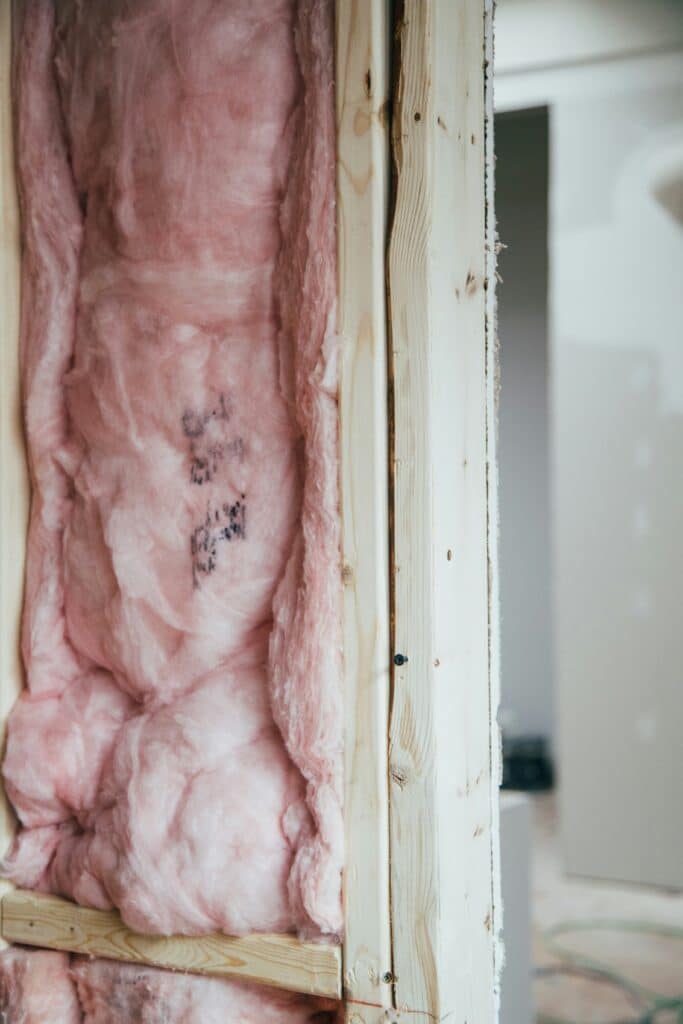
So, what exactly is spray foam insulation? Well, it’s a type of insulation that is sprayed into place using a special machine. The foam expands to fill and seal gaps, cracks, and cavities in your walls, ceilings, and floors, creating an air-tight barrier that helps keep your home at a comfortable temperature year-round.
Why Choose Spray Foam Insulation?
Choosing spray foam insulation for your home can offer numerous benefits. Not only does it provide superior insulation compared to traditional options like fiberglass or cellulose, but it also helps reduce energy bills by preventing air leakage and heat loss. Additionally, spray foam insulation can help improve indoor air quality by reducing the infiltration of allergens and pollutants.
Types of Spray Foam Insulation
Before you start the installation process, it’s important to understand the different types of spray foam insulation available on the market. There are two main types:
Open-Cell Spray Foam Insulation
Open-cell spray foam insulation is lighter and less dense compared to closed-cell foam. It’s a great option for interior applications, such as walls and ceilings. Open-cell foam is flexible and provides excellent soundproofing qualities.
Closed-Cell Spray Foam Insulation
Closed-cell spray foam insulation is denser and more rigid than open-cell foam. It’s ideal for exterior applications, such as roofs and foundations. Closed-cell foam is an excellent moisture barrier and provides superior insulation properties.
Materials and Tools You’ll Need
Now that you’re familiar with the different types of spray foam insulation, let’s talk about the materials and tools you’ll need for the installation process. Here’s a list to get you started:
| Materials | Tools |
|---|---|
| Spray foam insulation kits | Safety goggles |
| Protective gloves | Coveralls |
| Face mask | Utility knife |
| Drop cloths | Respirator |
| Foam gun | Foam saw |
Where to Purchase Spray Foam Insulation Kits
Spray foam insulation kits can be purchased at most home improvement stores or online. Make sure to read the instructions carefully and choose the appropriate kit based on the square footage you need to cover.
Preparing for Installation
Before you begin the installation process, it’s essential to prepare your space for the task at hand. Here are some steps to follow:
Clear the Area
Start by clearing the area where you plan to install the spray foam insulation. Remove any furniture, decorations, and obstacles that may get in the way.
Wear Protective Gear
Be sure to wear the necessary protective gear, such as safety goggles, gloves, a face mask, and coveralls, to keep yourself safe during the installation process.
Ventilate the Space
Proper ventilation is crucial when working with spray foam insulation. Open windows and doors to allow fresh air to circulate while you work.

Applying Spray Foam Insulation
Now that you’ve prepped your space and gathered all the necessary materials and tools, it’s time to start applying the spray foam insulation. Follow these steps for a successful installation:
Shake the Can
Before you begin spraying, shake the spray foam insulation can vigorously to ensure the components are properly mixed.
Start in a Well-ventilated Area
Begin spraying in a well-ventilated area, starting in the farthest corner and working your way toward the exit. This helps prevent you from getting trapped in an enclosed space with fumes.
Follow the Instructions
Carefully read and follow the instructions provided with the spray foam insulation kit. Pay attention to the coverage area and thickness recommendations to achieve optimal results.
Finishing Touches
Once you’ve applied the spray foam insulation to the desired areas, it’s time to complete the finishing touches. Here are some final steps to wrap up the installation process:
Trimming Excess Foam
After the foam has cured, use a utility knife or foam saw to trim any excess foam that may be protruding from walls, ceilings, or floors. This helps create a neat and clean finish.
Clean Up
After you’ve finished installing the spray foam insulation, clean up any spills or excess foam using a damp cloth or cleaning solution. Proper disposal of any used materials is essential to maintain a safe and tidy workspace.
Inspect Your Work
Take a step back and inspect the areas where you’ve applied the spray foam insulation. Look for any gaps or missed spots that may need additional coverage. Touch up as needed to ensure a thorough and complete installation.

Conclusion
Congratulations! You’ve successfully installed spray foam insulation in your home. By following these steps and tips, you’ve taken a significant step toward improving the energy efficiency and comfort of your living space. If you have any questions or need further assistance, don’t hesitate to reach out to a professional for guidance. Keep up the great work, and enjoy the benefits of your newly insulated home!