Considering Vinyl or Linoleum for Your Flooring Needs
Are you in the process of selecting flooring for your home or office space? Vinyl and linoleum are popular choices due to their durability and affordability. Let’s dive into the differences between the two materials to help you make an informed decision.

Vinyl Flooring: A Versatile Choice
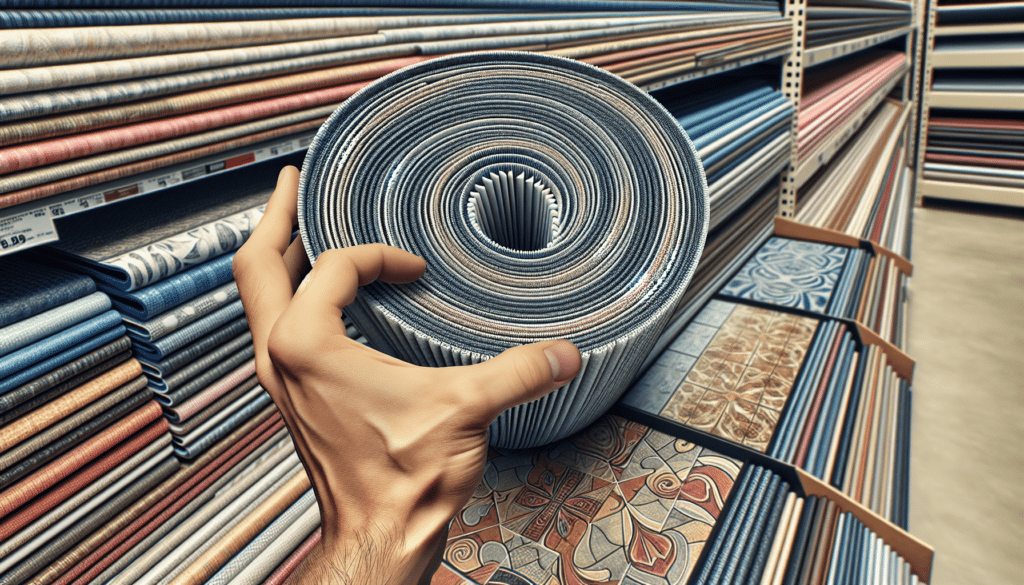
When it comes to vinyl flooring, you have various options to choose from, including sheet flooring and vinyl tiles. This versatile material is available in different colors, patterns, and designs, making it easy to find the perfect fit for your space.
Linoleum Flooring: A Sustainable Option
Linoleum is made from natural materials like linseed oil, wood flour, cork powder, and pigments, making it an eco-friendly and sustainable flooring choice. It is available in sheet form and tiles, offering a wide range of design possibilities.
Installation Process for Vinyl and Linoleum Flooring
Installing vinyl or linoleum flooring can be a DIY project for those with some experience in home improvement. However, it’s essential to follow the manufacturer’s instructions carefully to ensure a professional finish.
Tools and Materials Needed
Before starting the installation process, gather all the necessary tools and materials. This may include:
- Utility knife
- Tape measure
- Trowel
- Roller
- Seam adhesive
- Floor adhesive
- Rubber mallet
- Spacers
Having the right tools on hand will make the installation process smoother and more efficient.
Preparing the Subfloor
Properly preparing the subfloor is crucial for a successful vinyl or linoleum installation. Make sure the subfloor is clean, dry, and level before laying down the flooring material.

Installing Vinyl or Linoleum Sheet Flooring
For sheet flooring, carefully measure and cut the material to fit your space. Use a trowel and floor adhesive to secure the sheets in place, ensuring a tight bond. Roll over the flooring with a roller to remove any air bubbles and create a smooth surface.
Installing Vinyl or Linoleum Tiles
When installing tiles, begin in the center of the room and work your way outwards. Use spacers to ensure even gaps between the tiles. Apply adhesive to the back of each tile and press firmly into place. Once all tiles are in position, roll over the entire floor with a roller to set them in place.
Maintenance Tips for Vinyl and Linoleum Flooring
Vinyl and linoleum flooring are relatively easy to maintain, requiring regular cleaning and minimal upkeep to retain their appearance. Here are some tips to keep your floors looking their best:
Sweep or Vacuum Regularly
Dirt and debris can scratch the surface of your flooring, so make sure to sweep or vacuum it regularly to remove any particles.
Clean Spills Promptly
Accidents happen, so be sure to clean up spills promptly to prevent staining or damage to the flooring material.

Use a Neutral Cleaner
Avoid harsh chemicals that can damage the surface of your flooring. Instead, use a neutral cleaner recommended by the manufacturer for regular maintenance.
Protect High-Traffic Areas
Consider using area rugs or mats in high-traffic areas to prevent excessive wear and tear on your vinyl or linoleum flooring.
Pros and Cons of Vinyl and Linoleum Flooring
Before making a final decision on your flooring material, it’s essential to consider the pros and cons of vinyl and linoleum. Here are some key points to keep in mind:

Vinyl Flooring
Pros:
- Water-resistant
- Durable and long-lasting
- Easy to clean and maintain
Cons:
- Can be prone to scratching
- Not as environmentally friendly as linoleum
- May emit volatile organic compounds (VOCs)
Linoleum Flooring
Pros:
- Environmentally friendly
- Resilient to scratches and stains
- Available in a wide range of colors and patterns
Cons:
- Requires regular maintenance (sealing and waxing)
- Can be more expensive upfront than vinyl
- Limited availability compared to vinyl options
Comparing Costs of Vinyl and Linoleum Flooring
When it comes to budgeting for your flooring project, the cost of materials and installation should be taken into account. Let’s compare the costs of vinyl and linoleum flooring to help you make an informed decision.
| Aspect | Vinyl Flooring | Linoleum Flooring |
|---|---|---|
| Material Cost | $1-$5 per sq. ft. | $2-$5 per sq. ft. |
| Installation | $1-$2 per sq. ft. | $2-$4 per sq. ft. |
| Total Cost | $2-$7 per sq. ft. | $4-$9 per sq. ft. |
While vinyl flooring is generally more affordable upfront, linoleum may offer long-term cost savings due to its durability and sustainability. Consider your budget and long-term maintenance needs when choosing between the two materials.
Conclusion
In conclusion, both vinyl and linoleum flooring are excellent choices for a variety of spaces due to their durability, versatility, and affordability. When deciding between the two materials, consider factors such as budget, maintenance requirements, and environmental impact. With the right tools, materials, and installation process, you can enjoy a beautiful and long-lasting floor for years to come.