How Important is Weatherstripping?
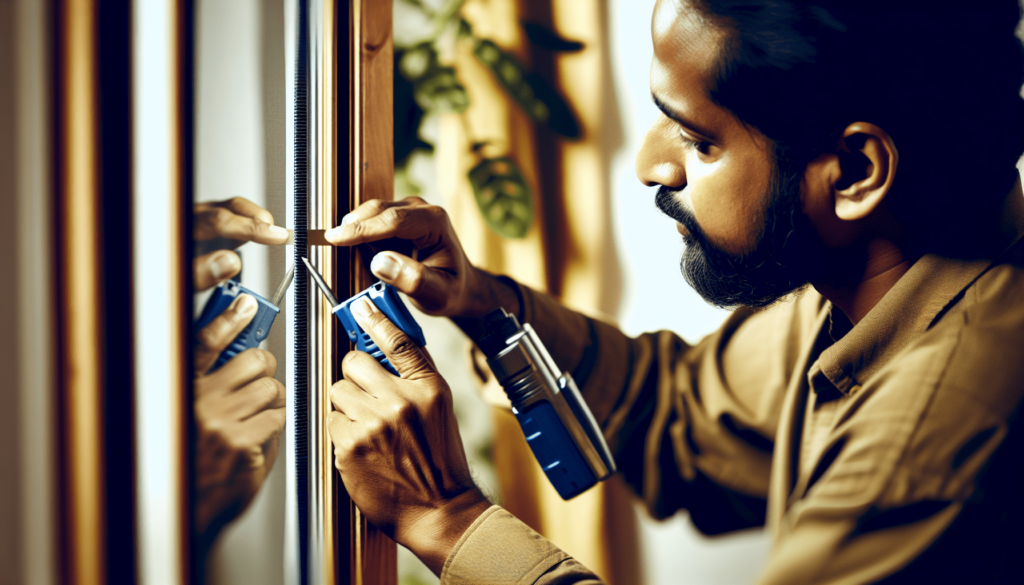
Weatherstripping plays a crucial role in keeping your home comfortable and energy-efficient. It seals the gaps around windows and doors, preventing air leaks and maintaining a consistent indoor temperature. Without proper weatherstripping, your HVAC system has to work harder to heat or cool your home, leading to higher energy bills.
How does Weatherstripping Work?
Weatherstripping works by creating a seal between the movable component of a window or door and the frame. When installed properly, it prevents air infiltration, moisture, and dust from entering your home. It also helps reduce noise levels and improves overall indoor comfort.
Signs It’s Time to Install or Replace Weatherstripping
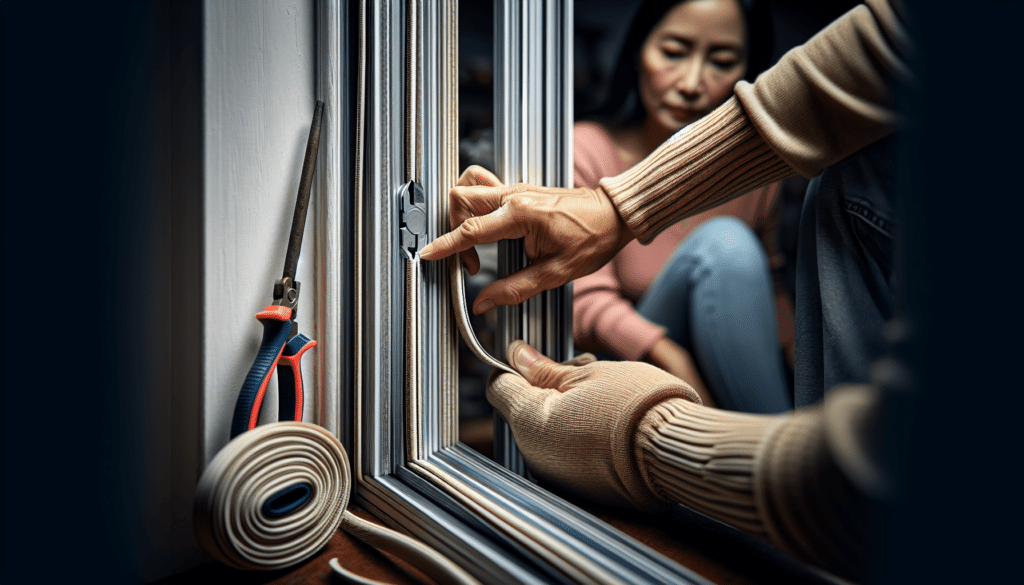
Knowing when to install or replace weatherstripping is key to maintaining your home’s energy efficiency. Look out for these signs that indicate it’s time for a weatherstripping upgrade:
Air Leaks
Do you feel drafts near windows and doors, even when they are closed? This could be a sign of air leaks caused by worn-out weatherstripping. Check for gaps or cracks in the sealing and address them promptly.
Increased Energy Bills
If your energy bills are on the rise without a clear explanation, inefficient weatherstripping could be a contributing factor. Old or damaged weatherstripping allows conditioned air to escape, making your HVAC system work harder and driving up energy costs.
Difficulty Opening or Closing Windows/Doors
Weatherstripping that is too worn out or incorrectly installed can impede the operation of windows and doors. If you notice increased resistance when opening or closing them, it might be time to replace the weatherstripping.
Visible Wear and Tear
Inspect the weatherstripping around your windows and doors for signs of wear and tear. Cracks, gaps, peeling, or crumbling seals are all indications that it’s time to install new weatherstripping.
Types of Weatherstripping
There are various types of weatherstripping materials available, each with unique characteristics and suitable applications. Choosing the right type of weatherstripping for your home is crucial for maximum effectiveness.
Vinyl
Vinyl weatherstripping is durable, affordable, and resistant to moisture. It is easy to install and provides good sealing properties. However, vinyl can degrade over time and may not be as effective as other materials in extreme weather conditions.
Rubber
Rubber weatherstripping is flexible and provides a good seal against air infiltration. It is ideal for irregularly shaped gaps and can withstand temperature changes well. However, rubber weatherstripping may degrade over time and lose its effectiveness.
Foam
Foam weatherstripping is easy to install, cost-effective, and provides excellent insulation. It is suitable for sealing small gaps and cracks around windows and doors. However, foam weatherstripping may deteriorate quickly and may not be as durable as other materials.
Silicone
Silicone weatherstripping is durable, heat-resistant, and provides a tight seal. It is ideal for high-temperature applications and maintains flexibility over time. However, silicone weatherstripping can be more expensive than other materials and may be harder to install.
How to Install Weatherstripping
Installing weatherstripping is a simple and cost-effective way to improve your home’s energy efficiency. Follow these steps to install weatherstripping around your windows and doors:
Step 1: Measure
Start by measuring the dimensions of the gaps that need weatherstripping. Use a tape measure to get accurate measurements of the width and length of each area.
Step 2: Choose the Right Weatherstripping
Select the appropriate type of weatherstripping for each gap based on its size, shape, and location. Consider factors such as durability, weather resistance, and ease of installation when choosing a material.
Step 3: Clean and Prep the Surface
Before installing weatherstripping, make sure the surface is clean and dry. Remove any existing weatherstripping, dirt, or debris to ensure a secure bond with the new material.
Step 4: Cut and Apply
Cut the weatherstripping to the appropriate length using scissors or a utility knife. Press the weatherstripping into place along the gap, ensuring a tight seal. Trim any excess material for a neat finish.
Step 5: Test for Proper Sealing
Once the weatherstripping is installed, test the windows and doors to ensure they open and close properly. Check for drafts by moving a candle or lighter around the edges to detect any airflow.
When to Hire a Professional
While installing weatherstripping is a relatively simple DIY project, there are instances where hiring a professional may be necessary. Consider seeking professional help in the following situations:
Complex Installations
If your windows or doors have irregular shapes or require custom weatherstripping solutions, a professional installer can ensure a proper fit.
Extensive Damage
If the frames around your windows and doors are damaged or deteriorated, professional repair may be needed before installing weatherstripping.
Energy Audit
Consider hiring a professional energy auditor to assess your home’s energy efficiency and recommend the best weatherstripping solutions for your specific needs.

Conclusion
Weatherstripping is a cost-effective solution for improving your home’s energy efficiency and comfort. By installing or replacing weatherstripping around your windows and doors, you can reduce air leaks, lower energy bills, and enjoy a more comfortable indoor environment. Be proactive in maintaining your weatherstripping to maximize its effectiveness and keep your home well-insulated. Remember to choose the right type of weatherstripping for each application and consider seeking professional help when needed.