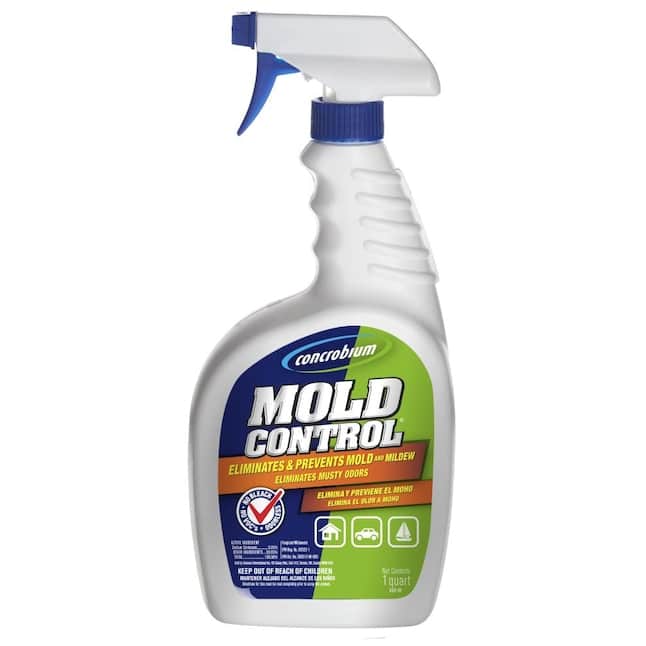
Welcome to our article on mold removal! In this informative piece, we will discuss the importance of addressing mold issues in your home and provide you with tips and strategies on how to effectively remove mold from your living spaces. With our helpful guidance, you can tackle mold growth head-on and create a healthier environment for you and your loved ones. Let’s get started on your journey to a mold-free home! Have you noticed mold growing in your home and wondering how to safely get rid of it? You’ve come to the right place! In this article, we’ll provide you with all the information you need to effectively remove mold from your home.

Understanding Mold
Mold is a type of fungus that thrives in damp and humid environments. It can grow on various surfaces, including walls, ceilings, floors, and even furniture. Mold reproduces by releasing spores into the air, which can cause health problems when inhaled. It is important to address mold growth promptly to prevent it from spreading and causing further damage.
Common Types of Mold
There are many different types of mold that can be found in homes, with some being more harmful than others. Some common types of mold include:
-
Stachybotrys Chartarum (Black Mold): Known for its dark green or black color, black mold can produce mycotoxins that are harmful to human health.
-
Aspergillus: This type of mold can cause allergic reactions and respiratory issues in some individuals.
-
Cladosporium: Often found on fabrics and carpets, Cladosporium can trigger allergic reactions in sensitive individuals.
-
Penicillium: Penicillium can cause allergic reactions and respiratory issues, especially in individuals with weakened immune systems.
Understanding the type of mold present in your home can help you determine the best course of action for removal.
Health Risks Associated with Mold
Exposure to mold can pose serious health risks, especially for individuals with respiratory conditions, allergies, or weakened immune systems. Some common health issues associated with mold exposure include:
-
Allergic Reactions: Mold spores can trigger allergic reactions, such as sneezing, coughing, watery eyes, and skin rashes.
-
Respiratory Issues: Inhaling mold spores can cause respiratory issues, including coughing, wheezing, chest tightness, and shortness of breath.
-
Asthma Attacks: For individuals with asthma, mold exposure can trigger asthma attacks and exacerbate symptoms.
-
Fungal Infections: Prolonged exposure to mold can increase the risk of developing fungal infections in the respiratory tract and skin.
It’s essential to address mold growth promptly to protect your health and well-being.
DIY Mold Removal vs. Professional Mold Remediation
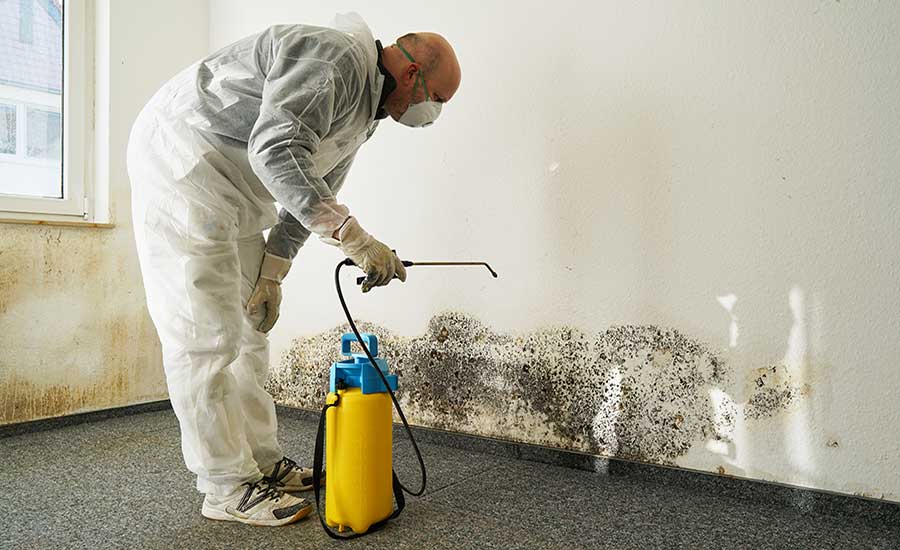
When it comes to mold removal, you have two options: DIY mold removal or professional mold remediation. While DIY mold removal can be effective for small mold infestations, larger mold outbreaks or extensive mold growth may require professional intervention.
DIY Mold Removal
If you decide to take on mold removal yourself, keep the following tips in mind:
-
Protect Yourself: Wear protective gear, such as gloves, goggles, and a mask, to prevent exposure to mold spores.
-
Containment: Seal off the affected area to prevent mold spores from spreading to other parts of your home.
-
Cleaning: Use a mixture of water and detergent to clean moldy surfaces, then thoroughly dry them to prevent mold regrowth.
-
Ventilation: Ensure proper ventilation in the area to help dry out damp surfaces and discourage mold growth.
Professional Mold Remediation
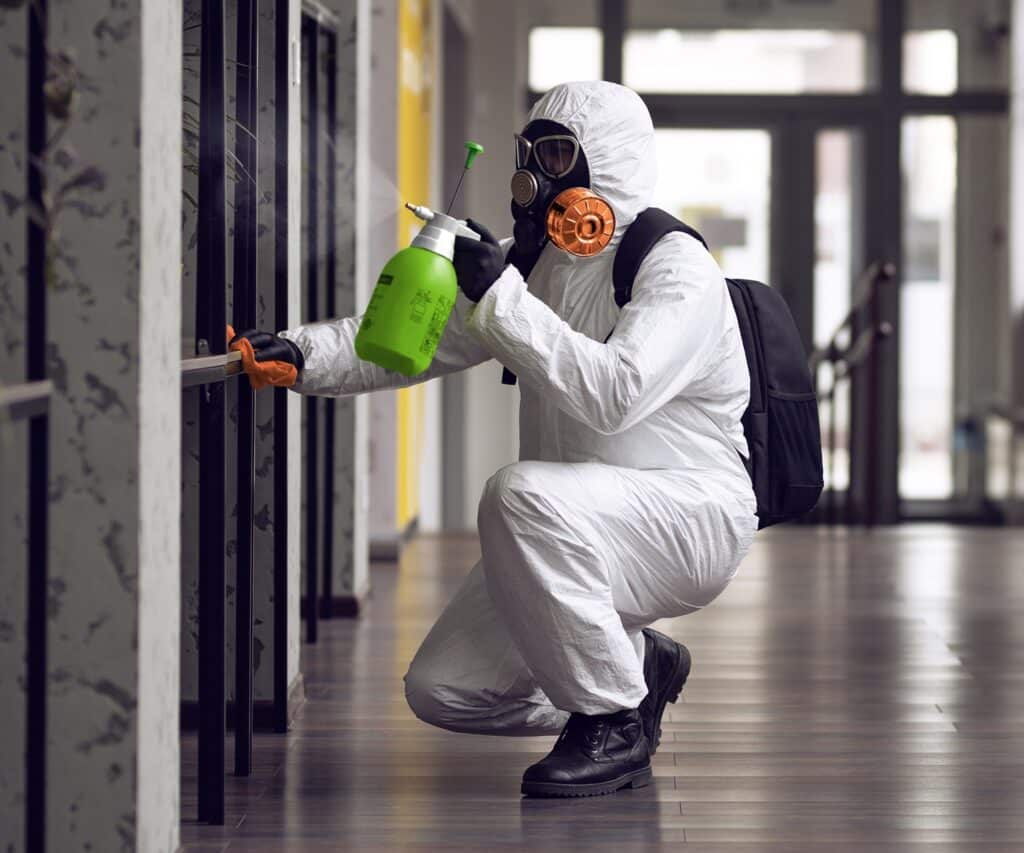
Professional mold remediation companies have the expertise and equipment to handle large-scale mold infestations safely and effectively. They will conduct a thorough inspection, identify the type of mold present, and develop a customized removal plan. While professional mold remediation may be more costly, it can ensure that the mold is completely removed and does not return.
Steps for Safe and Effective Mold Removal
Whether you choose to remove mold yourself or hire a professional, there are several steps you can take to ensure safe and effective mold removal:
Step 1: Identify and Address the Source of Moisture
Mold thrives in damp and humid environments, so the first step in mold removal is to identify and address the source of moisture. Common sources of moisture that can lead to mold growth include:
- Leaks in plumbing or roofing
- Poor ventilation
- High humidity levels
- Flooding or water damage
By addressing the source of moisture, you can prevent mold from returning after removal.
Step 2: Assess the Extent of Mold Damage
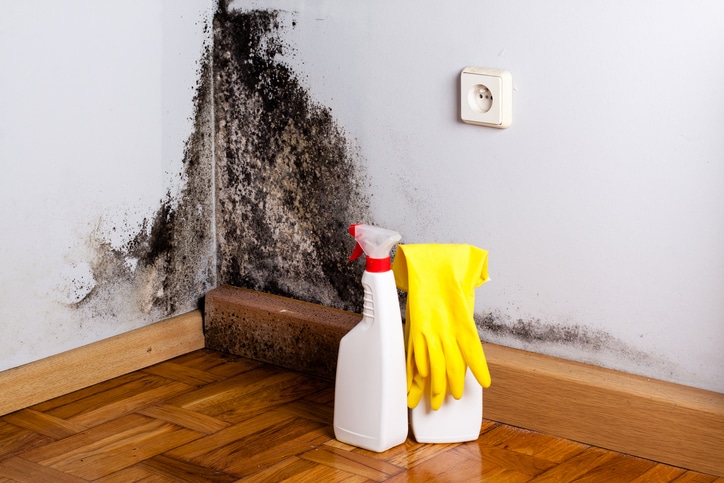
Before starting the removal process, assess the extent of mold damage in your home. This will help you determine the best course of action and whether professional help may be needed. Look for visible signs of mold growth, such as discoloration or musty odors, and check for hidden mold in hard-to-reach areas.
Step 3: Create a Removal Plan
Once you have identified the source of moisture and assessed the extent of mold damage, create a removal plan. Determine which areas of your home need to be treated, what tools and materials you will need, and whether you will tackle the removal yourself or hire a professional.
Step 4: Remediate the Mold
Depending on the extent of the mold infestation, remediation methods may vary. For small mold outbreaks, you can use a mixture of water and detergent to clean moldy surfaces. For larger mold infestations, you may need to use stronger mold removal products or seek professional help. Be sure to follow all safety precautions and guidelines when removing mold.
Step 5: Monitor for Mold Regrowth
After removing mold from your home, it is important to monitor the treated areas for mold regrowth. Keep an eye out for signs of moisture or musty odors, as these may indicate ongoing mold problems. If mold does return, address the source of moisture promptly and re-remediate the affected areas.
Preventing Mold Growth in Your Home
Prevention is key when it comes to mold growth. By taking proactive measures to prevent moisture buildup and mold growth in your home, you can protect your health and avoid costly mold removal projects. Here are some tips to prevent mold growth in your home:
-
Maintain Proper Ventilation: Ensure that your home has adequate ventilation in areas prone to moisture buildup, such as bathrooms, kitchens, and basements.
-
Control Humidity Levels: Use dehumidifiers to keep humidity levels below 60% in your home and address any sources of high humidity, such as water leaks or condensation.
-
Fix Leaks Promptly: Repair any plumbing leaks, roof leaks, or other sources of water intrusion promptly to prevent moisture buildup and mold growth.
-
Clean and Dry Water-Damaged Areas: After a flood or water damage incident, clean and dry water-damaged areas within 24-48 hours to prevent mold growth.
-
Regularly Inspect Your Home: Conduct regular inspections of your home to check for signs of mold growth, water damage, or moisture buildup.
By following these tips, you can reduce the risk of mold growth in your home and create a healthier living environment for you and your family.
In conclusion, mold removal is a critical step in maintaining a safe and healthy home environment. By understanding the causes of mold growth, the health risks associated with mold exposure, and the steps for safe and effective mold removal, you can protect your health and prevent mold-related issues in your home. Whether you choose to tackle mold removal yourself or hire a professional, taking prompt action to address mold growth is essential. Remember to prevent mold growth by addressing sources of moisture, maintaining proper ventilation, and conducting regular home inspections. Stay informed and proactive in managing mold growth in your home for a healthier living environment.