Hey there! Ever wondered what to do when your favorite mirror gets chipped or damaged? In this article, we’ll explore the options of repairing mirrors or opting for a process called resilvering to restore their shine. Whether it’s a sentimental piece or just a practical necessity, we’ll help you decide the best course of action for your beloved mirrors. So sit back, relax, and let’s dive into the world of mirror maintenance together. Have you ever looked into a mirror and noticed a chip or crack on the surface? Maybe you have an old mirror that has lost its shine and wonder if it can be restored. In these situations, you might be faced with the decision of whether to repair the mirror or have it resilvered. This article will guide you through the process of deciding which option is best for your mirror.
Understanding Mirror Damage
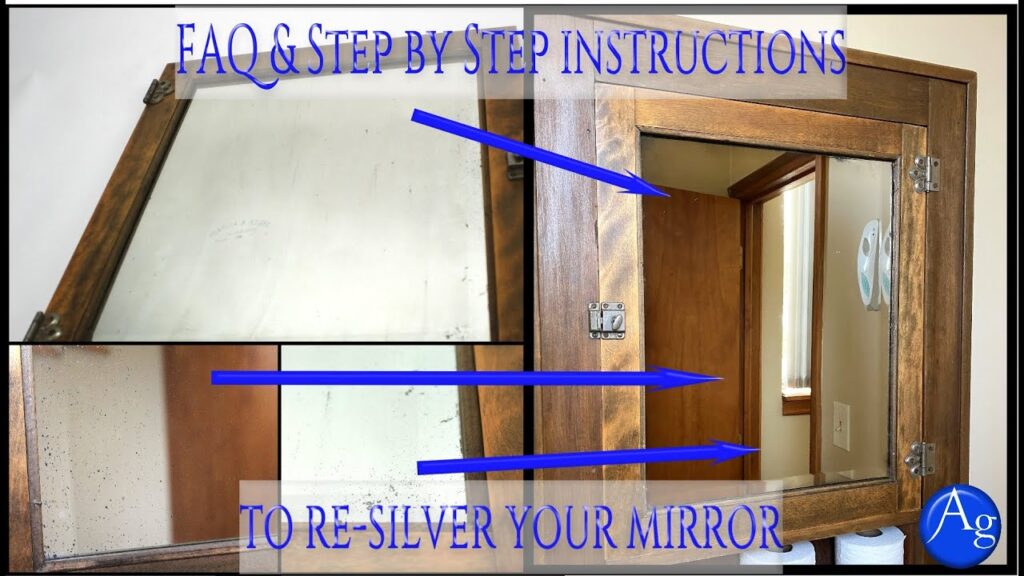
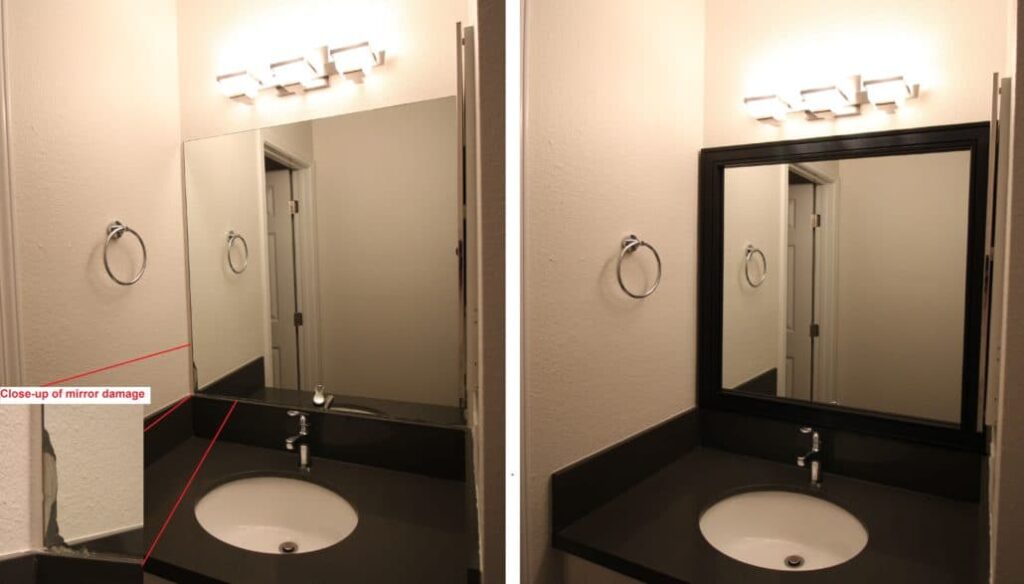
If you have a damaged mirror, it is essential to understand the extent of the damage before deciding whether to repair or resilver it. Minor scratches or chips on the surface can often be repaired, while more significant damage such as cracks or deep scratches may require resilvering.
Assessing Minor Damage
Minor damage to a mirror, such as small scratches or chips, can often be repaired using a few simple techniques. These methods can help improve the appearance of the mirror and prevent further damage.
When discerning whether your mirror has minor damage or not, carefully inspect the surface for any scratches or chips. If the damage is shallow and does not affect the mirror’s reflective properties, it can likely be repaired without the need for resilvering.
Mirror Repair Techniques
There are several techniques you can try to repair minor damage to a mirror. These methods are cost-effective and can be done at home with minimal supplies.
Buffing and Polishing
One way to repair minor scratches on a mirror is by buffing and polishing the surface. Start by cleaning the mirror with a gentle glass cleaner to remove any dirt or debris. Next, apply a small amount of metal polish to a soft cloth and gently rub it on the scratched area in a circular motion. Continue buffing until the scratch is no longer visible.
Buffing and polishing can help smooth out minor scratches and restore the mirror’s shine. However, this method may not be effective for deep scratches or chips that have penetrated the mirror’s surface.
Resin or Glass Repair Kits
Another option for repairing minor damage to a mirror is to use a resin or glass repair kit. These kits contain everything you need to fill in scratches or chips on the mirror’s surface, including resin, curing solution, and sanding pads.
To use a resin or glass repair kit, start by cleaning the damaged area with a glass cleaner. Next, apply the resin to the scratch or chip and use the curing solution to harden the resin. Once the resin has cured, use the sanding pads to smooth out the repaired area.
Resin or glass repair kits can be an effective way to repair minor damage to a mirror. These kits are easy to use and can help restore the mirror’s appearance without the need for professional assistance.

When to Resilver a Mirror
In some cases, the damage to a mirror may be too severe to repair using simple techniques. If your mirror has deep scratches, cracks, or has lost its reflective coating, it may be time to consider resilvering. Resilvering is the process of applying a new reflective coating to the back of the mirror to restore its shine and reflective properties.
Signs Your Mirror Needs Resilvering
There are several signs that indicate your mirror may need to be resilvered. If you notice any of the following issues with your mirror, it may be time to consider resilvering:
- Deep scratches that cannot be repaired
- Cracks or chips in the surface
- Dark spots or areas where the reflective coating has worn off
- Loss of brightness or clarity in the reflection
If your mirror displays any of these signs, resilvering may be the best option to restore its appearance and functionality.
The Resilvering Process
Resilvering a mirror is a complex process that should be done by a professional to ensure the best results. The process involves stripping the old reflective coating from the back of the mirror, cleaning the glass, and applying a new reflective coating.
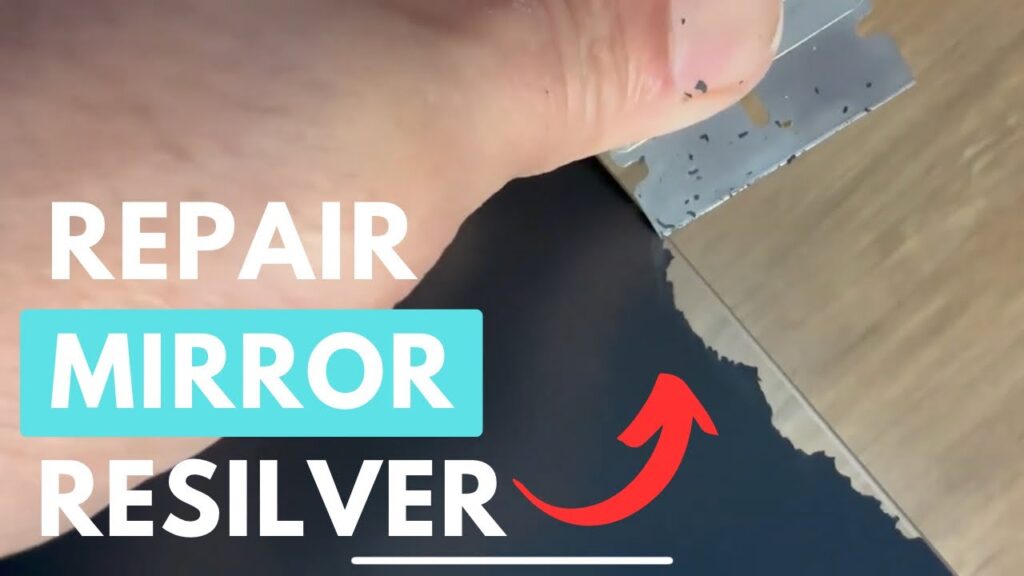
During the resilvering process, the mirror is carefully stripped of its old coating using a chemical solution. The glass is then thoroughly cleaned to remove any residue or debris. Once the mirror is clean, a new reflective coating is applied to the back of the glass using a specialized spray or paint.
Resilvering can be a time-consuming and expensive process, but it is often the best way to restore a damaged or old mirror to its former glory.

Cost Considerations
When deciding whether to repair or resilver a mirror, cost is an important factor to consider. Mirror repair techniques such as buffing and polishing or using resin kits are relatively inexpensive and can be done at home with minimal supplies. However, these methods may not be suitable for severe damage or mirrors with extensive wear and tear.
Resilvering, on the other hand, can be a more costly option due to the labor-intensive process and specialized equipment required. The cost of resilvering a mirror will depend on the size of the mirror, the extent of the damage, and the professional you choose to do the work.
Before deciding on whether to repair or resilver your mirror, it is essential to consider your budget and the value of the mirror. For a valuable antique mirror or a sentimental piece, resilvering may be worth the investment to restore its appearance and preserve its history.
Maintenance Tips for Mirrors
Once you have repaired or resilvered your mirror, it is essential to take proper care of it to ensure it remains in good condition. Here are some maintenance tips to help you keep your mirror looking its best:
- Clean the mirror regularly with a gentle glass cleaner to remove dirt and debris
- Avoid using abrasive cleaners or cloths that can scratch the mirror’s surface
- Keep the mirror away from direct sunlight and humidity to prevent damage to the reflective coating
- Inspect the mirror periodically for any signs of damage and repair them promptly to prevent further issues
By following these maintenance tips, you can help extend the lifespan of your mirror and keep it looking beautiful for years to come.
Conclusion
In conclusion, when deciding whether to repair or resilver a damaged mirror, it is essential to consider the extent of the damage, your budget, and the value of the mirror. Minor scratches or chips on the surface can often be repaired using simple techniques such as buffing and polishing or resin kits. However, more severe damage such as deep scratches, cracks, or loss of the reflective coating may require resilvering.
Resilvering is a complex process that involves applying a new reflective coating to the back of the mirror to restore its shine and reflective properties. While resilvering can be expensive, it is often the best way to restore a damaged or old mirror to its former glory.
By assessing the damage to your mirror, considering your budget, and following proper maintenance tips, you can make an informed decision on whether to repair or resilver your mirror. Whether you choose to repair or resilver, restoring your mirror will help enhance its appearance and functionality for years to come.