Toxicity And Mold-Removal
Welcome to an informative article on toxicity and mold removal. In this article, you will learn about the dangers of toxicity in your environment and the importance of safely removing mold from your home.
We will discuss common signs of toxicity and mold growth and effective remediation techniques. By the end of this article, you will better understand how to create a healthy and safe living space for yourself and your loved ones.
Have you ever wondered about the potential health hazards of mold in your home? In this article, you will learn about the dangers of mold toxicity and how to remove mold from your living space safely. Let’s dive in and explore the world of toxicity and mold removal together!
Understanding Toxic Mold
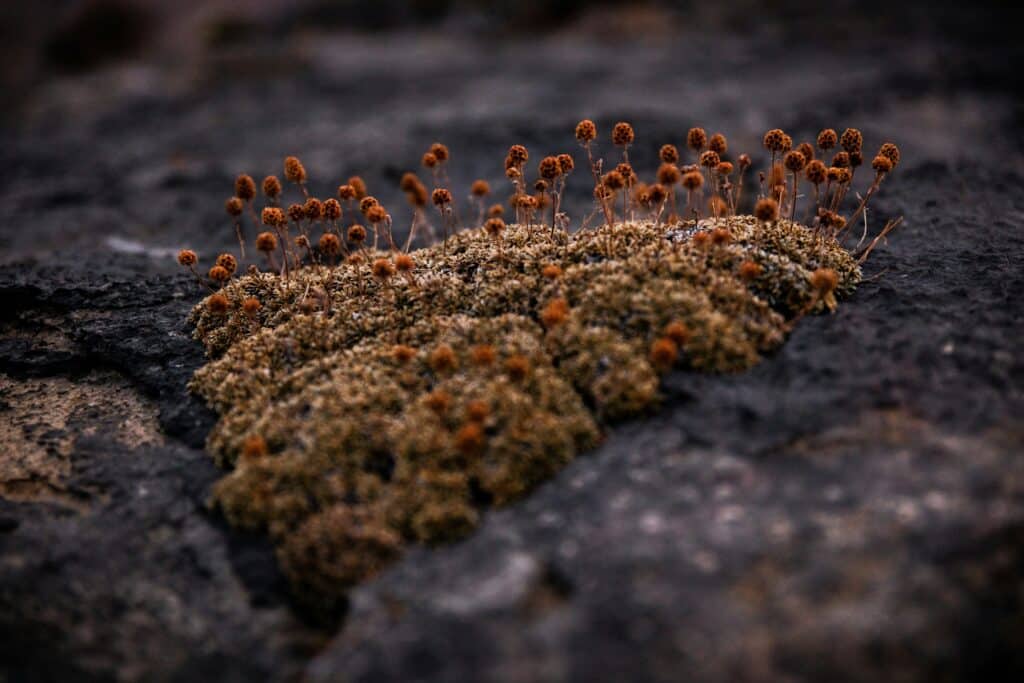
Mold is a common fungus that thrives in damp and humid environments. While not all molds are harmful, certain types of mold can produce toxins that pose serious health risks to humans. Inhaling or coming into contact with toxic mold can lead to various health issues, ranging from allergies and respiratory problems to more severe conditions such as asthma and neurological issues.
Let’s examine the types of toxic mold commonly found in homes and the potential health risks associated with each.
Types of Toxic Mold
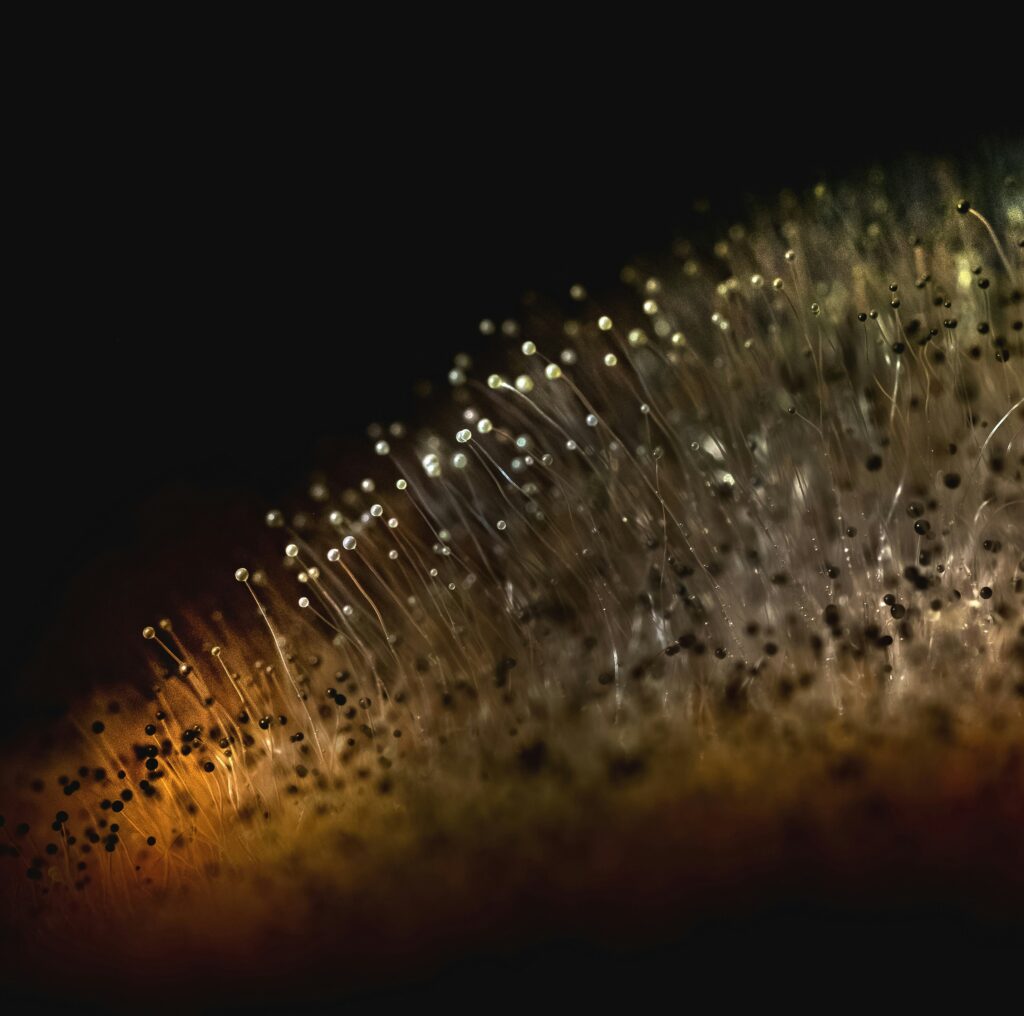
Several types of toxic mold are commonly found in indoor environments, including Stachybotrys chartarum (black mold), Aspergillus, and Penicillium. These molds can produce mycotoxins, which are harmful substances that can be inhaled or touched.
Health Risks of Toxic Mold Exposure
Exposure to toxic mold can have a range of health effects, depending on the individual’s sensitivity and the level of exposure. Common symptoms of mold toxicity include:
- Respiratory issues such as coughing, wheezing, and shortness of breath
- Allergic reactions like sneezing, itching, and skin rashes
- Headaches, fatigue, and dizziness
- Irritation of the eyes, nose, and throat
In more severe cases, exposure to toxic mold can lead to chronic respiratory conditions, lung infections, and neurological problems. Addressing mold issues promptly is essential to preventing these health risks.
Identifying Mold in Your Home
Now that we understand the potential dangers of toxic mold let’s discuss how you can identify mold growth in your home. Mold typically thrives in damp and dark areas, such as bathrooms, basements, and attics. If you notice any of the following signs, you may have a mold problem:
- Musty odors
- Visible mold growth on walls, ceilings, or other surfaces
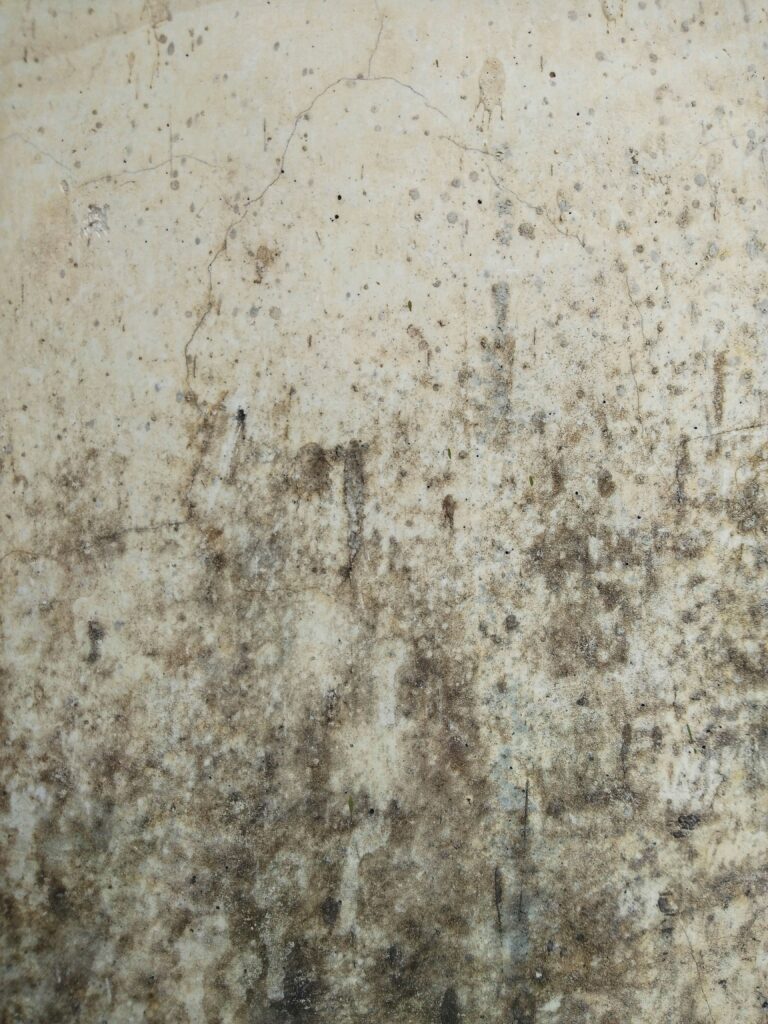
- Water stains or discoloration on walls or ceilings
- Peeling or bubbling paint
- Warped or discolored wood
If you suspect mold growth in your home, acting promptly to prevent its further spread and potential health risks is crucial.
DIY Mold Testing Kits
For DIY enthusiasts, mold testing kits are available on the market, allowing you to test for mold in your home. These kits typically involve samples of mold spores from different areas of your home and sending them to a laboratory for analysis. While mold testing kits can help identify the presence of mold, it is essential to interpret the results carefully and take the necessary steps to address the issue.
Professional Mold Inspection
If you prefer to leave mold testing to the professionals, consider hiring a certified mold inspector to assess your home for mold growth. Mold inspectors have the expertise and tools to detect hidden mold sources and provide you with a comprehensive report on the extent of the problem. While professional mold inspections may come at a cost, they offer peace of mind and ensure that the mold removal process is carried out effectively.
Safely Removing Mold From Your Home
Once you have identified mold growth in your home, it is crucial to remove it safely immediately and prevent it from returning. Mold removal can be daunting, but you can eliminate mold from your living space with the right tools and knowledge.
DIY Mold Removal
For minor mold problems, you can tackle the removal process on your own using standard household cleaning supplies. Here are some tips for safely removing mold from your home:
- Wear protective gear: Before starting the mold removal, wear a mask, gloves, and goggles to protect yourself from mold spores.
- Ventilate the area: Open windows and doors to ensure proper ventilation while cleaning the mold-infested area.
- Use mold-killing solutions: Scrub moldy surfaces with water, detergent, vinegar, or commercial mold remover.
- Dispose of contaminated materials: If mold has spread to porous materials like drywall or carpet, consider discarding these items to prevent mold growth.
Professional Mold Remediation
For extensive mold infestations or if you have underlying health conditions, it is best to leave the mold removal process to the professionals. Mold remediation companies have the expertise and specialized equipment to address severe mold problems safely and effectively. While professional mold removal may come at a higher cost, it ensures the job is done correctly and reduces the risk of mold regrowth.
Preventing Mold Growth in Your Home
Now that you have learned about the dangers of mold toxicity and how to remove mold from your home safely let’s discuss some preventive measures to keep mold at bay. By preventing mold growth, you can maintain a healthy living environment for yourself and your loved ones.
Maintain Proper Ventilation
Proper ventilation is critical to preventing mold growth in your home. Use exhaust fans in bathrooms and kitchens, open windows when cooking or showering, and maintain a consistent indoor temperature to reduce humidity. Good airflow helps prevent condensation and moisture buildup, which are ideal conditions for mold growth.
Fix Leaks and Moisture Issues
Leaks from pipes, roofs, or windows can create ideal conditions for mold growth. Please check your home for water leaks, moisture buildup, and condensation, and address any issues immediately. Repairing leaks and improving ventilation in moisture-prone areas can help prevent mold from taking hold in your home.
Reduce Indoor Humidity
High humidity levels can promote mold growth in your home, especially in basements, bathrooms, and laundry rooms. Use a dehumidifier to maintain indoor humidity levels between 30-50%, especially during humid months. To prevent mold growth, use moisture-absorbing products like silica gel or calcium chloride in closets or storage areas.
Mold toxicity can pose serious health risks if left untreated, but with the proper knowledge and tools, you can safely remove mold from your home and prevent its return. By understanding the dangers of mold exposure, identifying mold growth in your home, and taking proactive steps to avoid mold, you can create a healthy living environment for yourself and your family.
Remember, you are not alone in combating mold toxicity and ensuring a mold-free environment. Contact professionals or seek help, and always prioritize your health and well-being. Stay informed, stay proactive, and take control of your home’s indoor air quality.
Mold is one of the most insidious threats to the health of your home and your family. Not only can it cause structural damage to your property, but it can also have serious health consequences. Mold exposure has been linked to respiratory issues, allergies, and neurological problems. In some cases, it can even be toxic.
The Dangers of Mold Toxicity
Mold toxicity occurs when a person is exposed to highly toxic mold spores. This can happen if your home has a severe mold infestation or if you are particularly sensitive to mold. The symptoms of mold toxicity can vary from mild to severe and may include –
- Respiratory issues such as coughing, wheezing, and shortness of breath
- Headaches and migraines
- Fatigue and weakness
- Memory and concentration problems
- Joint pain and inflammation
- Nausea and digestive issues
If you suspect mold toxicity, you must seek medical attention immediately. A healthcare provider can help diagnose your symptoms and determine the best course of treatment.
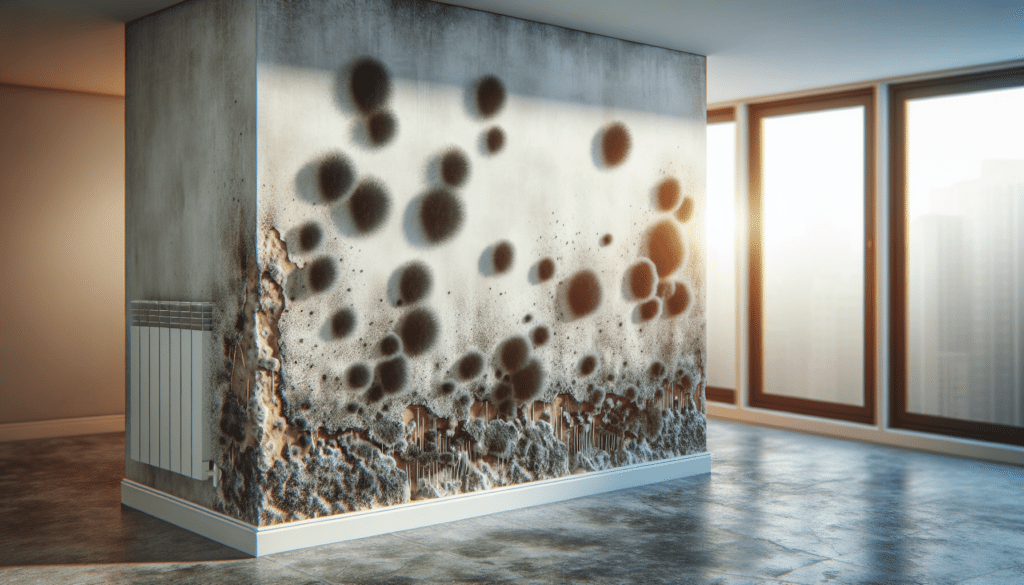
Mold Removal
Removing mold infestations is one of the most critical steps in protecting your home and your health from mold toxicity. Mold removal can be complex and challenging, but with the right approach, mold can be eliminated from your home.
Here are some steps you can take to remove mold from your home –
- Identify the source of the mold – Before you can effectively remove mold, you need to identify where it comes from. This may require a thorough home inspection, including checking for leaks, moisture buildup, and poor ventilation.
- Contain the mold – Once you have identified the source of the mold, it is essential to contain the affected area to prevent the spores from spreading to other parts of your home. You can do this by sealing the area with plastic sheeting and tape.
- Remove the mold – Depending on the extent of the mold infestation, you may need to remove contaminated materials such as drywall carpeting and insulation. This should be done carefully to avoid spreading the spores further.
- Clean the area – After removing the mold, clean the area thoroughly to eliminate any remaining spores. This may involve scrubbing surfaces with water and detergent or using specialized mold removal products.
- Prevent future infestations—Addressing any underlying issues contributing to mold growth is essential to prevent mold from returning. This may include fixing leaks, improving ventilation, and reducing humidity levels in your home.
Professional Help
In some cases, mold removal may be too difficult or dangerous to tackle alone. If you are dealing with a severe mold infestation or have underlying health conditions that may be aggravated by mold exposure, it is best to seek professional help. A mold removal specialist has the experience and equipment necessary to eliminate mold safely and effectively from your home.
Protecting your home and health from mold toxicity is crucial for maintaining a safe and healthy living environment. Following the steps outlined above and seeking professional help, you can effectively remove mold from your home and reduce the risk of mold-related health issues. Remember, early detection and prompt action are crucial to preventing mold toxicity from becoming a severe problem.
Related Topics About Toxicity And Mold-Removal
How Do You Get Rid Of Mold Toxicity,
How To Get Rid Of Mold Toxicity,
Is Mold Remediation Toxic,
Toxic Mold Removal Costs,
What Kills Toxic Mold
==========
Content 10/10/G