Toxic Lead-Testing
Welcome to an informative article about toxic lead testing. This article will explore the importance of testing for lead exposure and the potential health risks associated with high lead levels. By understanding the significance of regular lead testing, you can learn how to protect yourself and your loved ones from the dangers of lead poisoning. Please keep your environment safe from this harmful toxin.
Are you concerned about lead exposure in your home? Have you considered getting your water tested for toxic lead levels? This article will discuss the importance of lead testing, how to do it, and what steps you can take to minimize exposure to this harmful substance. Let’s dive in and learn more about toxic lead testing.
Why is Lead Testing Important?
Lead is a toxic metal in many consumer products, especially in older homes where lead-based paint is commonly used. Exposure to lead can have serious health effects, especially in children and pregnant women. Testing for lead in your home’s water can help you identify potential sources of exposure and take steps to reduce your risk.
Lead Exposure Health Risks
Lead exposure can cause various health problems, including damage to the brain, kidneys, and nervous system. In children, it can cause developmental delays, learning disabilities, and behavioral issues.
Pregnant women who are exposed to lead can experience complications during pregnancy and harm their developing fetus. Taking lead exposure seriously and protecting yourself and your family is essential.

How to Test for Lead in Your Water
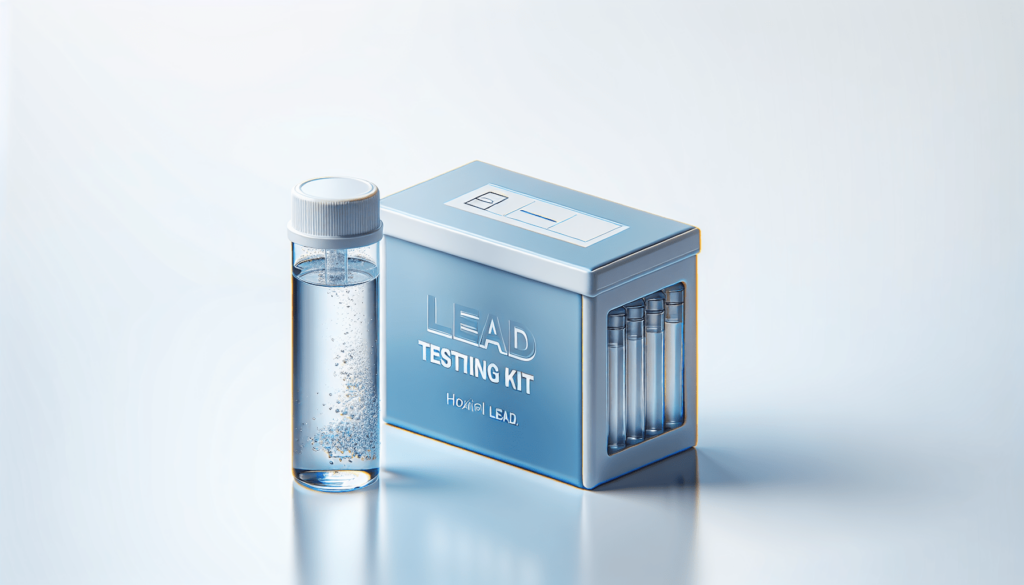
There are several ways to test for lead in your home’s water. One option is to purchase a lead-testing kit from a hardware store or online retailer. These kits typically come with instructions on collecting and sending a water sample to a lab for analysis. Another option is to hire a professional to test your water for you. This may be a more reliable option, especially if you have concerns about the accuracy of DIY test kits.
DIY Lead Testing Kits
DIY lead testing kits are easy to use and can provide quick results. Most kits require you to collect a water sample from a faucet in your home and then send it to a lab for analysis. The results will typically tell you how much lead is in your water and whether it exceeds the safe levels the Environmental Protection Agency (EPA) set.
Professional Lead Testing
If you prefer a more thorough and accurate testing process, hiring a professional to test your water for lead may be the best option. Professionals have access to specialized equipment and training that can provide you with reliable results. They can also help you interpret the results and recommend steps to reduce your exposure to lead.

Interpreting Lead Test Results
Once you have received your lead test results, it is essential to understand what they mean. If the lead levels in your water exceed the EPA’s action level of 15 parts per billion (ppb), you may need to reduce your exposure. To protect yourself and your family, follow the recommendations of the testing lab or your healthcare provider.
EPA Guidelines for Lead in Water
The EPA has set guidelines for lead levels in drinking water to protect public health. The action level for lead in water is 15 ppb, which means that if your water tests are above this level, you may need to take action to reduce your exposure. The EPA also recommends contacting your local water utility if your water tests are above the action level.
Taking Action to Reduce Lead Exposure
If your water tests are above the EPA’s action level for lead, you can take steps to reduce your exposure. For example, you may need to install a certified water filtration system to remove lead from the water.
You can also flush your pipes before using water for drinking or cooking to reduce lead concentration in your water. It is essential to follow the recommendations of the testing lab or your healthcare provider to ensure that you are taking the appropriate steps to protect yourself and your family.
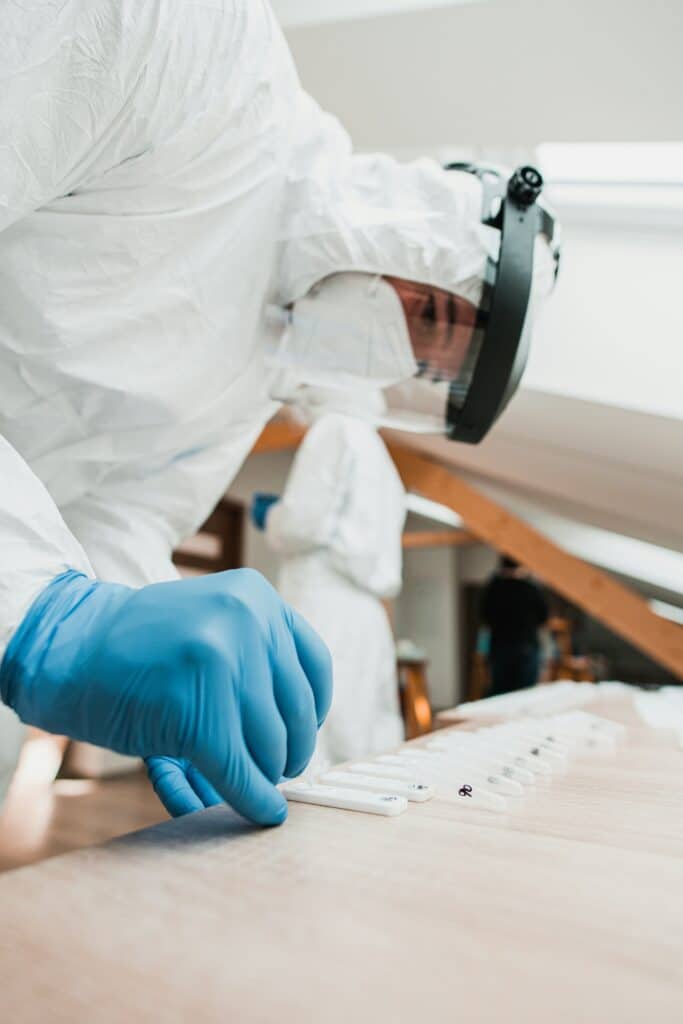
Preventing Lead Exposure in Your Home
In addition to testing your water for lead, you can take steps to prevent lead exposure in your home. By being proactive and taking preventive measures, you can reduce your exposure risk and protect your and your family’s health.
Lead-Safe Renovation Practices
If you live in an older home with lead-based paint, taking precautions when renovating or remodeling is essential. Lead-based paint can be disturbed during renovation activities, contaminating lead dust. Make sure to follow lead-safe practices, such as using wet cleaning methods, wearing protective gear, and properly disposing of lead-contaminated materials.
Regular Cleaning and Maintenance
Regular cleaning and home maintenance can help reduce the risk of lead exposure. Dust and debris can accumulate lead particles, especially in older homes. Could you clean surfaces regularly with a damp cloth and mop to reduce the spread of lead dust? It is also essential to fix peeling paint and other sources of lead contamination in your home.
Provide Nutritious Meals
A healthy diet can help reduce the absorption of lead in your body. Ensure that nutritious meals are rich in calcium, iron, and vitamin C, which can help prevent lead absorption. Avoid giving your child foods high in fat, as these can increase the absorption of lead in the body.
Lead exposure is a severe health risk that can have long-term effects on your health and your family’s health. By testing your water for lead and taking steps to prevent exposure, you can protect yourself and your loved ones from the harmful effects of this toxic metal.
If you have concerns about lead exposure in your home, consider getting your water tested and following the recommendations of the testing lab or your healthcare provider. Your health is worth the effort to ensure your home is free from toxic lead levels.
Understanding Toxic Lead Testing
Lead poisoning is a serious health concern that can have long-lasting effects on individuals, especially children. Testing for lead exposure is crucial in identifying contaminated environments and preventing potential health risks. In this blog post, we will discuss the importance of lead testing, the different methods available, and how to interpret the results.
Why Lead Testing is Important
Exposure to lead can harm the body, including damage to the nervous system, kidneys, and brain. It can also lead to developmental delays, learning disabilities, and behavioral problems in children. Lead poisoning is often asymptomatic, making it challenging to detect without proper testing.
Familiar Sources of Lead Exposure
Lead can be found in various sources, including –
- Old paint in homes built before 1978
- Lead-contaminated water pipes
- Soil near roadways or industrial areas
- Lead-based products such as batteries and ceramics
Methods of Lead Testing
There are several methods available to test for lead exposure, including –
Home Test Kits
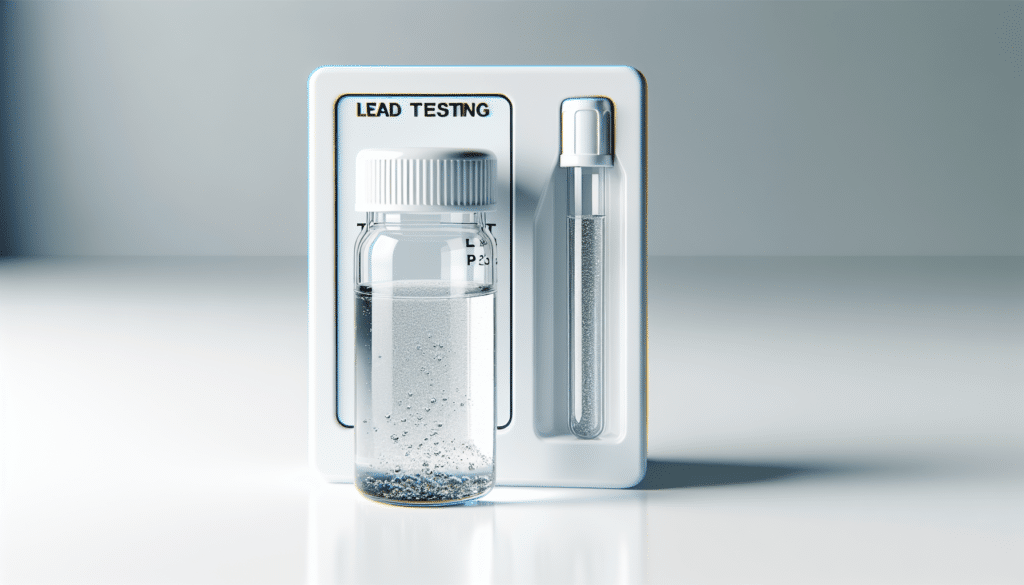
Home test kits are an affordable option for testing lead levels in your home. These kits typically involve collecting paint dust or water samples from your environment and sending them to a lab for analysis. While home test kits are convenient, they may only sometimes provide accurate results.
Blood Tests
Blood tests are the most common method of testing for lead poisoning. A simple blood test can determine the lead level in your bloodstream and identify any potential exposure. This test is typically recommended for children under six and individuals living in older homes.
X-ray Fluorescence (XRF) Testing
XRF testing is a noninvasive method for lead in paint, soil, and other materials. This handheld device uses X-ray technology to detect lead levels without damaging the tested surface. Professionals often use XRF testing to identify lead hazards in homes and buildings.
Interpreting Lead Testing Results
After testing for lead exposure, it is essential to understand and interpret the results. Here are some key points to consider –
- A blood lead level of 5 micrograms per deciliter (µg/dL) or higher is considered elevated and may require further investigation.
- If lead is detected in your home environment, mitigate the exposure by properly sealing or removing lead-based materials.
- Consult with a healthcare provider or lead specialist to develop a plan of action for reducing lead exposure and protecting your health.
Lead testing is a crucial step in protecting yourself and your loved ones from the harmful effects of lead poisoning. By understanding the importance of testing the methods available and how to interpret the results, you can take proactive steps to create a safe and lead-free environment for your family. Remember, prevention is critical in combating lead exposure and promoting overall health and well-being.
Related Topics About Toxic Lead-Testing
How Much Does Lead Testing Cost,
How Much Lead Is Toxic,
Lead Poisoning Screening Tool,
Lead Poisoning Test At Home,
Lead Poisoning Test Cpt Code,
Lead Poisoning Test In Children,
Lead Poisoning Test Symptoms,
Lead Poisoning Test Toddler,
Lead Poisoning Urine Test,
Three Symptoms Of Lead Toxicity Are,
When Was Lead Found To Be Toxic,
Tox Testing, Toxic Stems
==========
Content 10/10/G