Traditional Stucco Siding-Install Or Completely Replace
Welcome to the article, where we will discuss installing traditional stucco siding or completely replacing it. Conventional stucco siding is popular for homeowners due to its durability and unique texture.
However, stucco can deteriorate over time, requiring repairs or a complete replacement. We will explore the pros and cons of both options to help you make an informed decision for your home. Let’s dive in and learn more about traditional stucco siding! Have you been considering updating the siding on your home?
Traditional stucco siding is a popular choice for its durability and aesthetic appeal. But should you install new stucco or opt for a complete replacement? Let’s explore the pros and cons to help you make an informed decision.
Pros of Installing Traditional Stucco Siding
Traditional stucco siding offers several benefits, making it an attractive option for homeowners.
One of the main advantages of traditional stucco siding is its durability. Stucco is a long-lasting material that withstands various weather conditions, including rain, snow, and wind. Once you install stucco siding on your home, you can expect it to last many years without frequent repairs or replacements.
Another advantage of traditional stucco siding is its energy efficiency. Stucco is an excellent insulator that helps keep your home cool in the summer and warm in the winter. This can lead to lower energy bills, as your heating and cooling systems won’t have to work as hard to maintain a comfortable temperature inside your home.
In addition to its durability and energy efficiency, traditional stucco siding offers a timeless and elegant look. Stucco can be customized to match any architectural style, from modern to Mediterranean, and can be painted in various colors to suit your preferences.
Cons of Installing Traditional Stucco Siding
While traditional stucco siding has many benefits, there are also some drawbacks to consider before making a decision.
One of the main disadvantages of traditional stucco siding is its initial cost. Stucco installation can be more expensive than other types of siding, such as vinyl or fiber cement. This upfront cost may deter some homeowners from choosing stucco for their homes.
Another potential downside of traditional stucco siding is its maintenance requirements. Stucco is a porous material that can absorb water, leading to cracks and damage over time. Stucco siding needs to be correctly sealed and maintained to prevent this, which can require regular inspections and repairs.
Finally, traditional stucco siding can be challenging to repair if it does get damaged. Unlike other types of siding that can be easily replaced in sections, stucco repairs often require the entire affected area to be removed and replaced, which can be time-consuming and costly.
Installing Traditional Stucco Siding
Several steps are involved if you decide to install traditional stucco siding on your home.
First, please choose a reputable contractor specializing in stucco installation. Before you make a decision, please make sure to get multiple quotes and ask for references. Once you’ve found a contractor you trust, they will begin by preparing the exterior of your home for the stucco application.
Next, the contractor will apply a stucco base coat to your home’s exterior, followed by a finish coat that can be customized with your colors and textures. Depending on the size of your home and the weather conditions, the entire process can take several weeks to complete.
After applying the stucco, it’s essential to inspect and maintain your siding regularly to prevent any damage. This includes keeping the stucco clean and sealing any cracks or gaps that may develop over time.
Completely Replacing Traditional Stucco Siding
If your existing stucco siding needs to be improved or updated, you may be considering a complete replacement. Replacing traditional stucco involves removing the old stucco and installing new siding.
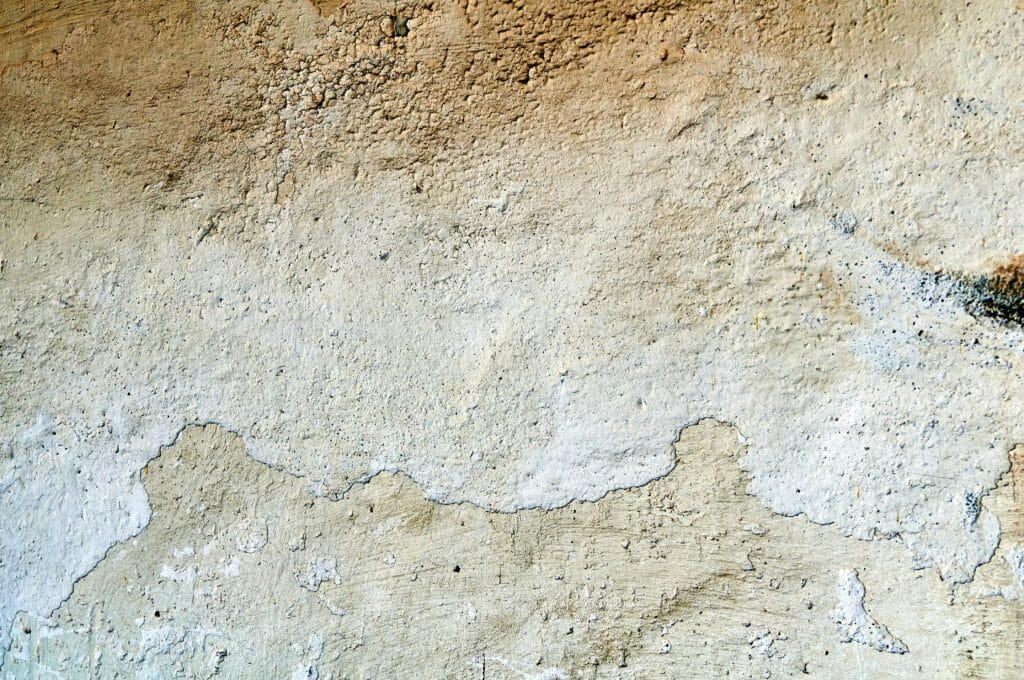
Before you start the replacement process, you’ll need to examine the condition of your current stucco siding. It may be time to consider a replacement if there are signs of damage, such as cracks, leaks, or mold growth.
To replace traditional stucco siding, you’ll need to hire a professional contractor specializing in removal and installation. The contractor will remove the existing stucco from your home’s exterior to avoid damaging the underlying structure.
Once the old stucco has been removed, the contractor will prepare the exterior of your home for the new siding installation. This may involve repairing damaged areas, applying a moisture barrier, and installing new stucco siding.
After installing the new siding, it’s essential to properly maintain and care for your stucco to ensure its longevity. This includes regular inspections, cleaning, and repairs as needed.

Whether you choose to install traditional stucco siding or completely replace it, there are many factors to consider before deciding. Conventional stucco siding offers durability, energy efficiency, and a timeless look, but it also comes with a higher upfront cost and maintenance requirements.
By weighing the pros and cons of traditional stucco siding and considering your specific needs and budget, you can make an informed choice that will enhance the appearance and value of your home for years to come.
Traditional Stucco Siding – Install Or Completely Replace
Stucco siding has been a popular choice for homeowners for many years due to its durability and timeless look. However, over time, stucco can become damaged or worn down, leading to the need for repairs or replacement. In this blog post, we’ll discuss whether installing new stucco siding or completely replacing it is best.
Install New Stucco Siding
If your home has no stucco siding or is looking to update the look, installing a new one can be a great option. Here are a few reasons why you might choose to install new stucco siding –
- Stucco siding is durable and long-lasting, making it a good investment for your home.
- Stucco can be applied to almost any surface, making it versatile and easy to work with.
- New stucco siding can increase your home’s value and curb appeal.
Completely Replace Existing Stucco Siding
If your stucco siding is damaged or needs repair, completely replacing the siding might be the best option. Here are a few signs that it’s time to replace your stucco siding –
- Cracks or holes in the stucco larger than a quarter inch wide.
- Extensive water damage or mold growth on the interior walls of your home.
- Peeling or flaking stucco that can’t be repaired with patching.
Working with a professional contractor with stucco installation experience is essential when replacing your stucco siding. They can help you choose suitable materials and ensure that the job is done correctly and to code.
Benefits of Stucco Siding
Whether you choose to install new stucco siding or completely replace your existing siding, there are many benefits to choosing stucco for your home –
- Stucco is fire resistant, making it a safe choice for your home.
- Stucco is energy efficient and can help to lower your heating and cooling costs.
- Stucco is low maintenance and easy to clean, saving you time and money in the long run.
Stucco siding is an excellent choice for homeowners looking for a durable, stylish option for their home’s exterior. Whether you choose to install new stucco siding or completely replace your existing siding, working with a professional contractor is critical to ensuring the job is done right.
Related Topics About Traditional Stucco Siding-Install Or Completely Replace
Exterior Wall Cladding Installation,
Exterior Wall Design Revit,
Replacing Siding With Stucco,
Spanish Roof Tiles In Revit,
Wall Siding Installation,
Window Trim In Revit
==========
Content 10/10/G