Traditional Tile Roofing-Install Or Replace
Welcome to the world of traditional tile roofing! This article will help you decide whether to install a new conventional tile roof or replace your existing one. We’ll discuss the benefits of traditional tile roofing and the factors to consider when making this decision. We will also provide some tips to help you determine the best course of action for your home.
So please grab a cup of coffee, sit back, and dive into the world of beautiful and durable traditional tile roofing. Are you considering installing or replacing traditional tile roofing on your home?
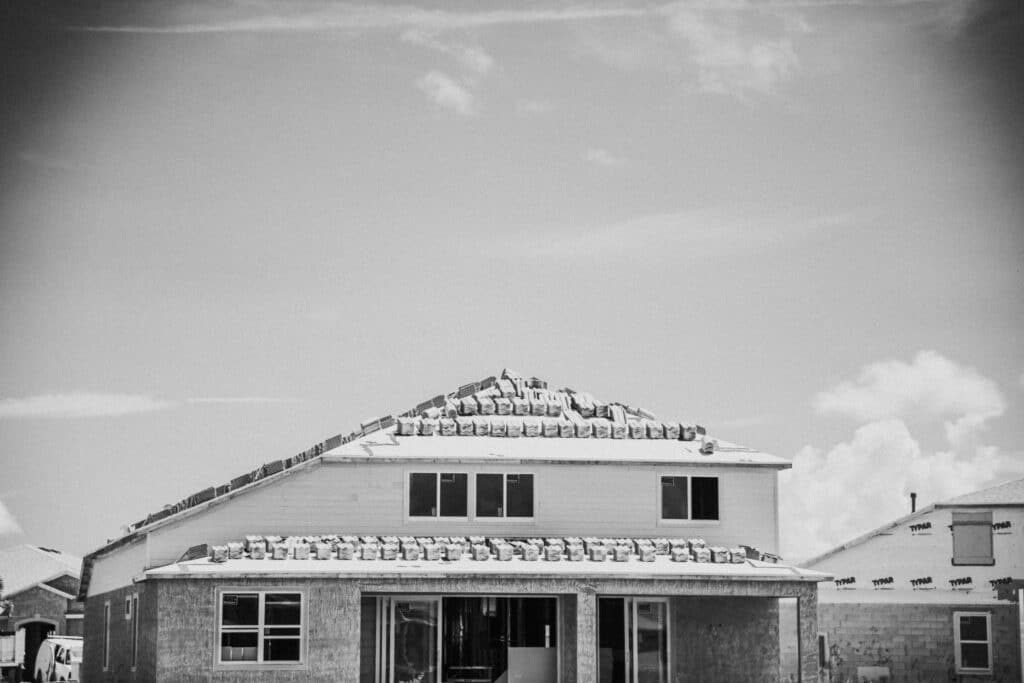
The Benefits of Traditional Tile Roofing
Traditional tile roofing has been a popular choice for many homeowners due to its durability, energy efficiency, and aesthetic appeal.
Durability
One of the key benefits of traditional tile roofing is its durability. Unlike asphalt shingles that may need to be replaced every 20-30 years, tile roofing can last 50 years or more with proper maintenance. This can save you money in the long run by reducing the frequency of repairs and replacements.
Energy Efficiency
Traditional tile roofing is known for its energy efficiency. The thermal mass of the tiles helps regulate indoor temperatures, reducing the need for heating and cooling, which can lower your energy bills. Additionally, some tile materials, such as clay, are natural insulators, further enhancing your home’s energy efficiency.
Aesthetic Appeal
Another advantage of traditional tile roofing is its aesthetic appeal. Whether you prefer the timeless look of clay tiles or the rustic charm of concrete tiles, traditional tile roofing can enhance your home’s curb appeal. You can customize your roof with various colors, styles, and textures to complement your home’s architecture and design.
Types of Traditional Tile Roofing
When it comes to traditional tile roofing, there are various materials to choose from, each with unique characteristics and benefits.
| Material | Description |
|---|---|
| Clay Tiles | Known for their classic look and durability, clay tiles are famous for traditional tile roofing. They are resistant to fire, insects, and rot, making them a long-lasting option for your home. |
| Concrete Tiles | Affordable and versatile concrete tiles come in various styles and colors to suit your preferences. They are also durable and low maintenance, making them a practical choice for homeowners. |
| Slate Tiles | Considered a premium option, slate tiles are known for their elegance and longevity. They can last 100 years or more and are resistant to fire, water, and mold, making them a high-end choice for discerning homeowners. |
Choosing the Right Material
When selecting the material for your traditional tile roofing, consider cost, durability, maintenance, and aesthetics. Consult with a roofing professional to determine which type of tile roofing is best suited for your home based on your budget and preferences.
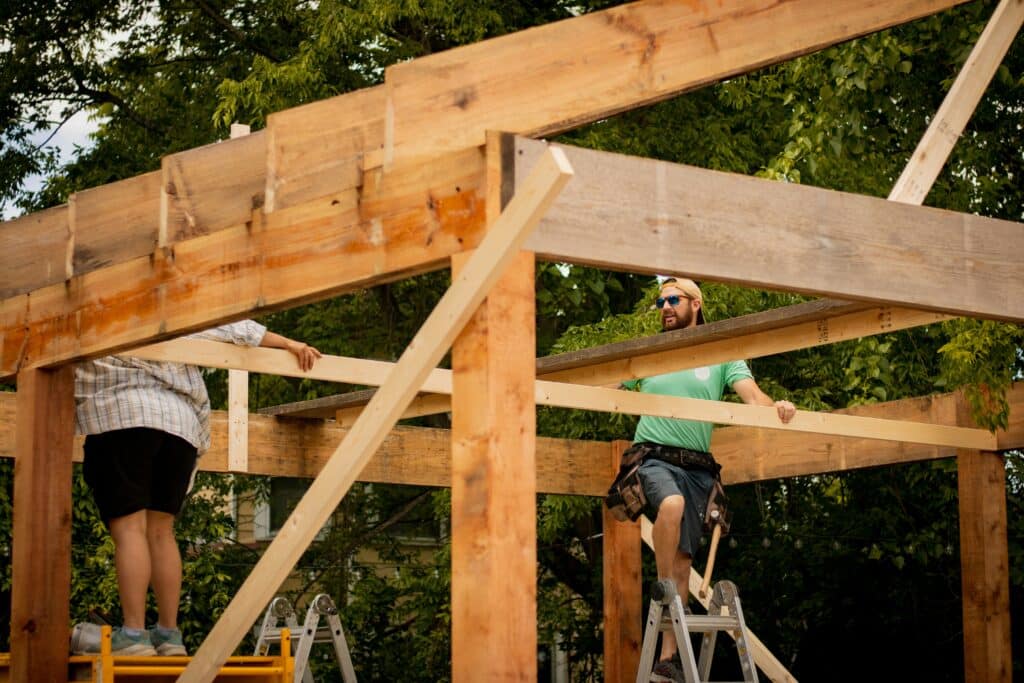
Factors to Consider Before Installing or Replacing Traditional Tile Roofing
Several factors must be considered before installing or replacing traditional tile roofing to ensure a successful project.
Roofing Regulations
Please check with your local building department for any regulations or restrictions regarding traditional tile roofing in your area. Some neighborhoods or subdivisions may have specific guidelines for roofing materials, colors, or styles that you must adhere to.
Roofing Structure
Traditional tile roofing is heavier than other types of roofing materials, so it is essential to assess whether your roof structure can support the weight of the tiles. A roofing professional can conduct a structural assessment to determine if any reinforcements are needed before installing or replacing traditional tile roofing.
Climate Conditions
Please look at your area’s climate conditions before choosing traditional tile roofing. For example, clay tiles are more suitable for warmer climates, while slate tiles are better suited for colder climates. Understanding how each material performs in different climates can help you make an informed decision for your home.
Maintenance Requirements
Different types of traditional tile roofing have varying maintenance requirements. While clay tiles are relatively low maintenance, concrete tiles may require more frequent cleaning or sealing. When selecting the material for your traditional tile roofing, consider your willingness and ability to maintain it.
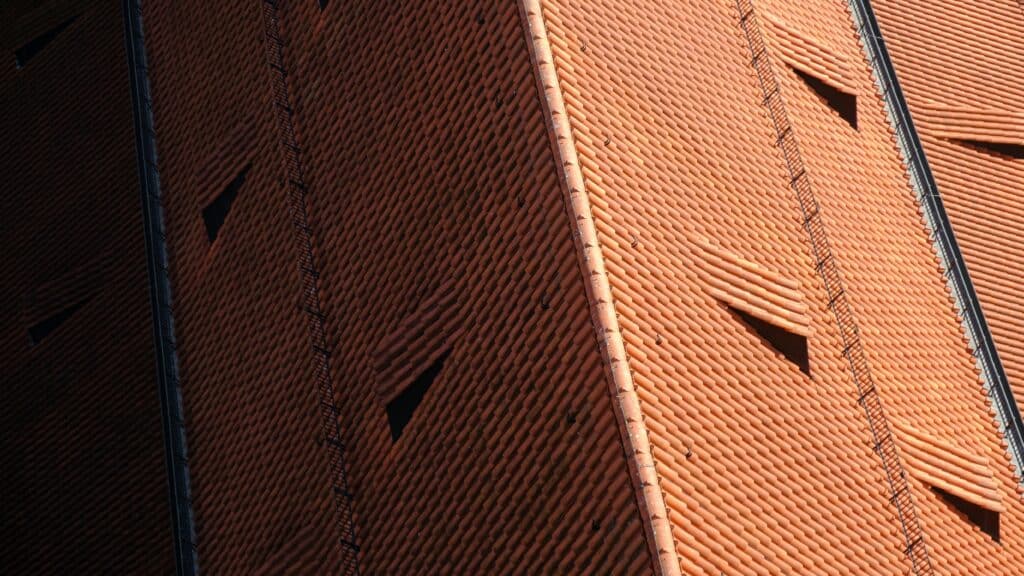
The Cost of Installing or Replacing Traditional Tile Roofing
The cost of installing or replacing traditional tile roofing can vary depending on factors such as the material, size of the roof, complexity of the design, and location of your home.
Material Costs
The material costs for traditional tile roofing can range from $10 to $40 per square foot, with slate tiles being the most expensive option and concrete tiles being the most affordable. When determining your budget for traditional tile roofing, consider each material’s long-term benefits and durability.
Labor Costs
In addition to material costs, labor costs for installing or replacing traditional tile roofing can range from $5,000 to $20,000 or more, depending on the roof’s size and the design’s complexity. To ensure a high-quality installation, hiring a reputable roofing contractor with experience in this field is essential.
Additional Costs
Additional costs may be associated with installing or replacing traditional tile roofing, such as permits, removal of the existing roof, disposal of old materials, and repairs to the roof structure. When budgeting for your traditional tile roofing project, can you factor in these additional costs?

Maintenance Tips for Traditional Tile Roofing
Proper maintenance is essential for preserving the longevity and appearance of your traditional tile roofing. Here are some tips to help you maintain your tile roof:
Regular Inspections
Schedule regular inspections of your traditional tile roofing to check for any signs of damage, such as cracked or missing tiles, leaks, or debris buildup. Early detection of issues can prevent costly repairs down the line.
Cleaning
Clean your traditional tile roofing periodically to remove dirt, debris, moss, and algae that can accumulate on the tiles. Use a mild detergent or a solution of water and vinegar to clean the tiles gently, avoiding harsh chemicals or pressure washing that can damage the tiles.
Repairs
If you notice any damaged or missing tiles, repair them promptly to prevent water infiltration and further damage to your roof. Replace broken tiles with new ones that match the existing tiles to maintain the uniform appearance of your traditional tile roofing.
Sealing
Some types of traditional tile roofing, such as concrete tiles, may benefit from sealing to enhance their longevity and resistance to water penetration. Could you consult with a roofing professional to determine if sealing is necessary for your specific type of tile roofing?
Gutters and Drainage
Ensure that your gutters and drainage system are clear of debris to prevent water backup and overflow that can damage your traditional tile roofing. Clean your gutters regularly and inspect them for any signs of blockages or leaks.
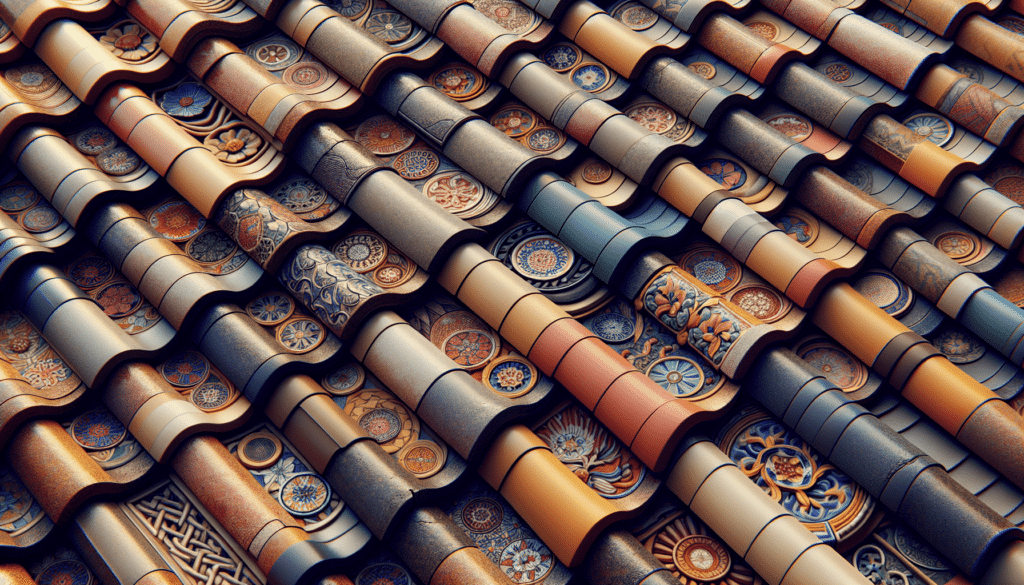
Installing or replacing traditional tile roofing can enhance your home’s durability, energy efficiency, and aesthetic appeal. By choosing a suitable material, considering important factors, understanding the costs involved, and following maintenance tips, you can enjoy the benefits of traditional tile roofing for years to come. Please consult a roofing professional to discuss your options and determine the best home solution.
Traditional Tile Roofing Install or Replace
Traditional tile roofing has been popular for centuries due to its durability, energy efficiency, and aesthetic appeal. Its timeless look can enhance the curb appeal of any home and provide long-lasting protection against the elements.
However, even the most well-maintained tile roofs will need to be replaced or repaired over time. Here are some essential factors if you are considering installing a new tile roof or replacing an existing one.
Benefits of Traditional Tile Roofing
Before deciding whether to install or replace a tile roof, it’s essential to understand the benefits of this roofing material –
- Durability – Tile roofs can last for 50 years or more with proper maintenance.
- Energy Efficiency – Tile roofing can help reduce energy costs by providing natural insulation.
- Aesthetic Appeal – Tile roofs come in various colors and styles to complement any home’s architecture.
- Fire Resistance – Tile roofing is fireproof, providing added protection against fires.
When to Install a New Tile Roof
There are several reasons why you might choose to install a new tile roof –
- You are building a new home and want a durable, attractive roofing material.
- Your current roof is beyond repair and needs to be replaced.
- You want to increase the value of your home by upgrading to a tile roof.
When installing a new tile roof, working with a reputable contractor with experience with tile roofing installation is essential. Proper installation is critical to ensuring the longevity and performance of your new roof.
When to Replace an Existing Tile Roof
If you have a tile roof showing signs of wear or damage, consider replacing it. Some common signs that indicate the need for a roof replacement include –
- Broken or cracked tiles
- Leaking or water damage in the attic
- Mold or mildew growth on the roof
- Loose or missing tiles
Replacing a tile roof can be a significant investment, but it is essential for maintaining the integrity of your home and protecting your property from further damage. Before replacing a tile roof, please consult with a roofing professional to see the extent of the damage and determine the best course of action.
Cost Considerations
The cost of installing or replacing a traditional tile roof can vary depending on several factors, including the size of your roof, the type of tiles used, and the complexity of the installation. Budgeting accordingly and obtaining quotes from multiple roofing contractors is essential to ensure you get the best value for your investment.
While tile roofing may have a higher upfront cost than other roofing materials, its longevity and durability make it a cost-effective choice in the long run. Plus, its aesthetic appeal and energy efficiency can enhance the value of your home, making it a worthwhile investment.
Whether you are considering installing a new tile roof or replacing an existing one, traditional tile roofing offers numerous benefits, making it a popular choice for homeowners. With its durability, energy efficiency, and aesthetic appeal, tile roofing can enhance the beauty and value of your home while providing long-lasting protection against the elements.
Before installing or replacing a tile roof, consult a reputable roofing contractor to assess your options and determine the best course of action for your home. A traditional tile roof can provide decades of reliable performance and peace of mind with proper installation and maintenance.
Related Topics About Traditional Tile Roofing-Install Or Replace
Flat Tile Roof Installation,
How To Lay Roof Tiles,
How To Replace Roof Tiles,
Installing Clay Roof Tiles,
Tile Roof Installation Guide,
Tile Roofing Installation,
Tile Span Roofing
==========
Content 10/10/G