Welcome to a helpful guide on repairing asbestos siding. Asbestos siding was a popular choice for homes in the past due to its durability and fire-resistance. However, over time, it may become damaged or worn, requiring repair. In this article, you will learn about the dangers of asbestos, how to safely handle and repair asbestos siding, and when it may be time to seek professional help. Read on to ensure the safety of you and your loved ones while addressing any necessary repairs to your home’s siding. Have you discovered asbestos siding on your home and are unsure of what steps to take next? Don’t panic! In this guide, we will walk you through everything you need to know about asbestos siding repair. From identifying asbestos siding to safely removing and replacing it, we’ve got you covered. Let’s get started!
What is Asbestos Siding?
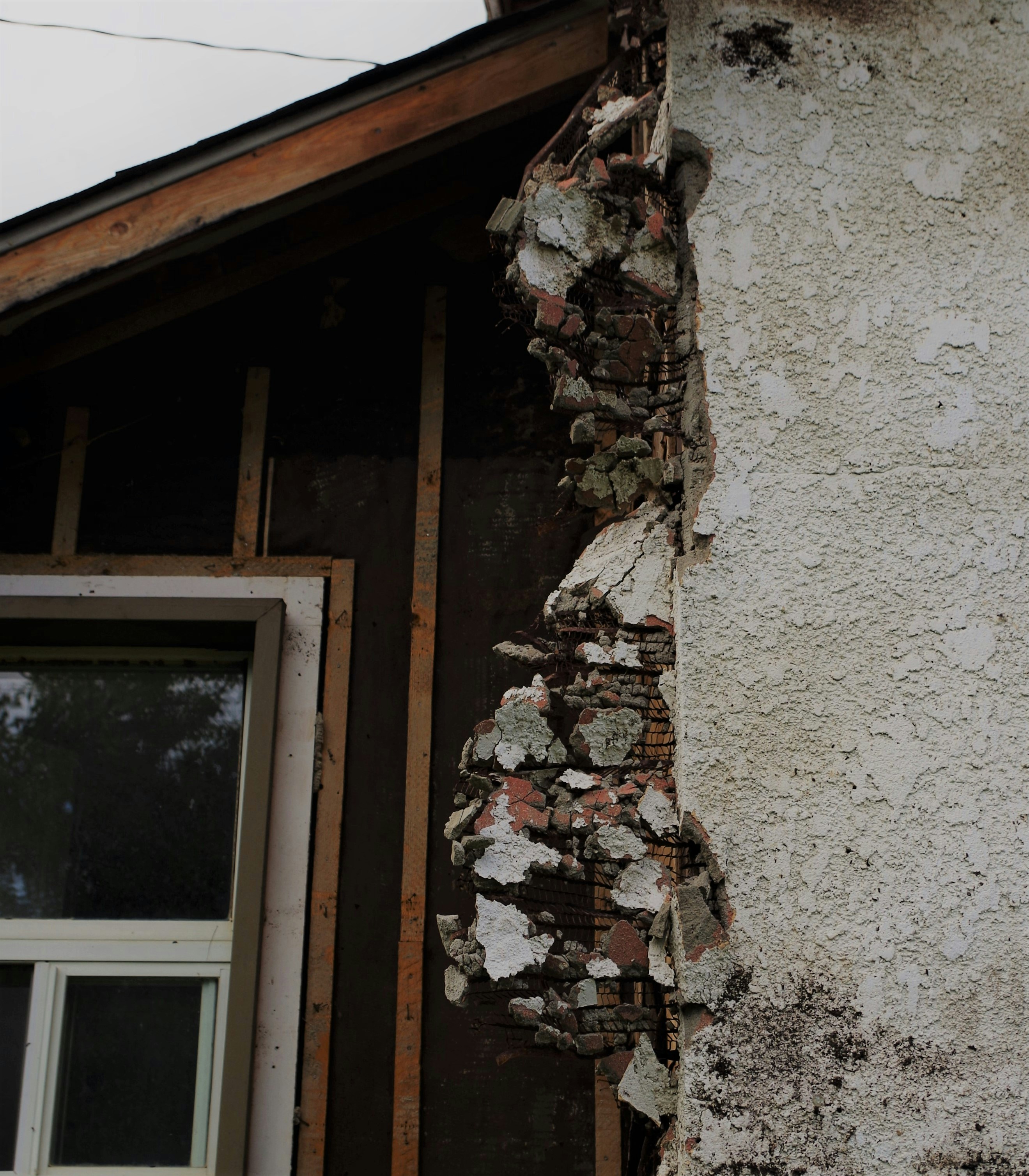
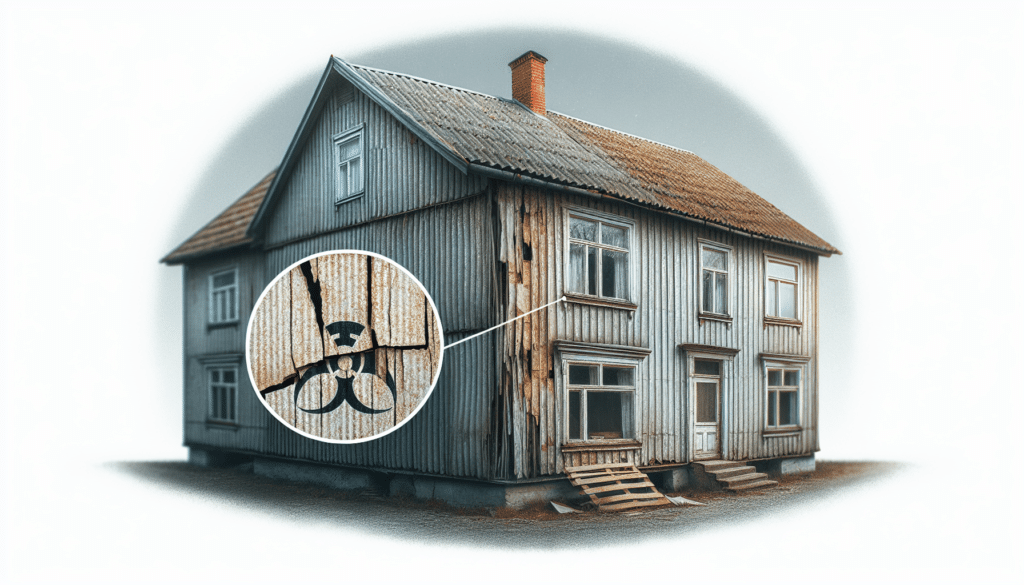
Asbestos siding was a popular building material used in homes during the mid-20th century due to its durability and fire-resistant properties. However, we now know that asbestos fibers can pose serious health risks when inhaled. If your home was built before the 1980s, there is a possibility that it may contain asbestos siding.
Learn how to identify asbestos siding
Asbestos siding is typically made of cement and reinforced with asbestos fibers. It is commonly found in shingle form, but it can also appear as sheets or panels. One way to identify asbestos siding is by its appearance; it may have a textured surface and a slightly greyish tint. If you are unsure whether your siding contains asbestos, it’s best to consult a professional for testing.
Why Repair Asbestos Siding?
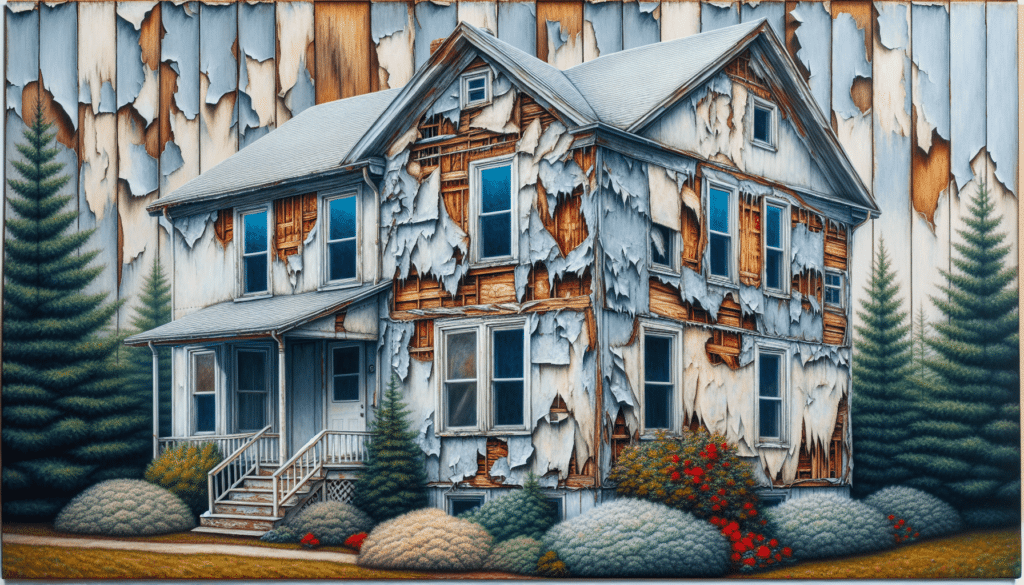
The presence of asbestos siding on your home does not mean immediate danger to your health. As long as the siding remains intact and undisturbed, the asbestos fibers are not airborne and pose little risk. However, if the siding is damaged, deteriorating, or you plan on renovating your home, it is crucial to repair or remove the asbestos siding to prevent exposure.
Protect your health and well-being
Repairing or replacing asbestos siding is essential for safeguarding your health and the health of your family. Asbestos fibers, when released into the air, can be inhaled and cause serious respiratory illnesses, including lung cancer and mesothelioma. By taking the necessary steps to repair asbestos siding, you can minimize the risk of asbestos exposure and protect your loved ones.

How to Repair Asbestos Siding
Repairing asbestos siding requires caution and adherence to safety protocols to prevent the release of asbestos fibers. While minor repairs can be conducted by homeowners, it is advisable to seek professional assistance for extensive damage or removal.
Safety precautions before repairing asbestos siding
Before starting any repair work on asbestos siding, it is crucial to take the following safety precautions:
- Wear protective clothing, including disposable coveralls, gloves, goggles, and a respirator with P100 filters.
- Wet the siding surface with water to minimize the release of asbestos fibers.
- Work in a well-ventilated area and avoid generating dust.
- Place a plastic sheet or tarp on the ground to collect any debris or waste.
Small repairs to asbestos siding
For small cracks, holes, or damaged areas on asbestos siding, you can perform minor repairs using specialized sealants or patching materials. Follow these steps:
- Clean the damaged area with a damp cloth to remove any dust or debris.
- Apply a suitable asbestos sealant or patching compound according to the manufacturer’s instructions.
- Allow the sealant to dry completely before painting over it with a color-matched finish.
Complete replacement of asbestos siding
If your asbestos siding is extensively damaged, deteriorating, or you plan on renovating your home, complete replacement may be the best option. While this task is best left to professionals, here is an overview of the replacement process:
- Secure necessary permits and ensure compliance with local regulations.
- Remove the existing asbestos siding following proper containment and disposal procedures.
- Install new, asbestos-free siding material, such as vinyl or fiber cement.
- Seal and paint the new siding to protect it from the elements and enhance its appearance.
Cost of Asbestos Siding Repair
The cost of repairing asbestos siding can vary depending on the extent of the damage, the size of your home, and whether you choose to repair or replace the siding. It is essential to budget for asbestos siding repair to ensure that the work is completed safely and effectively.
Factors influencing the cost of asbestos siding repair
Several factors can influence the cost of repairing asbestos siding, including:
- The extent of the damage: Minor repairs will be less expensive than complete replacement.
- Size of the home: Larger homes will require more materials and labor, increasing the overall cost.
- Type of repair: Simple patching may cost less than complete removal and replacement.
- Labor and disposal fees: Professional services for containment, removal, and disposal will add to the total cost.
- Permit and testing costs: Obtaining permits and testing for asbestos may incur additional expenses.
Estimating the cost of asbestos siding repair
To estimate the cost of repairing asbestos siding for your home, consider the following:
- Get quotes from licensed asbestos abatement contractors for evaluation and recommendations.
- Compare prices and services offered by different contractors to find the best value.
- Budget for unexpected expenses and contingencies to avoid overspending.
DIY vs. Professional Asbestos Siding Repair
Deciding whether to repair asbestos siding yourself or hire a professional depends on the extent of the damage, your experience with asbestos materials, and your comfort level with safety precautions. While minor repairs can be DIY projects, extensive damage or removal should be left to professionals.
Pros and cons of DIY asbestos siding repair
Pros:
- Cost-effective for minor repairs
- Flexibility in scheduling and completion
- Opportunity to learn and gain experience
Cons:
- Risk of exposure to asbestos fibers
- Lack of specialized equipment and protective gear
- Potential for improper containment and disposal
Pros and cons of professional asbestos siding repair
Pros:
- Experience and expertise in handling asbestos materials
- Proper containment and disposal procedures
- Compliance with safety regulations and guidelines
Cons:
- Higher cost compared to DIY repairs
- Dependence on contractor availability and scheduling
- Limited involvement in the repair process
Conclusion
In conclusion, repairing asbestos siding is a critical step in safeguarding your health and ensuring the safety of your home. By identifying asbestos siding, taking necessary safety precautions, and following proper repair procedures, you can effectively address asbestos-related risks. Whether you choose to repair minor damages yourself or hire professionals for extensive repairs, the key is to prioritize safety and compliance. Remember, your health is worth the effort and investment in asbestos siding repair. If you have any concerns or questions about asbestos siding repair, don’t hesitate to seek guidance from professionals in the field. Your home should be a haven of safety and comfort, free from the dangers of asbestos exposure.