Welcome to “Faucet Repair,” a helpful guide that will walk you through the steps of fixing those pesky leaks and drips in your home. In this article, you will learn the basics of identifying and repairing common faucet issues, saving you time and money on expensive plumber fees. From fixing a leaky faucet to replacing worn-out parts, you’ll be equipped with the knowledge and skills to tackle any faucet repair project with confidence. Let’s get started on restoring your sink to its full functionality! Have you ever had a leaky faucet that just won’t stop dripping? If so, you’re not alone. Many people deal with this annoying issue in their homes. The good news is that faucet repair is often a simple fix that you can do yourself with just a little know-how. In this article, we will guide you through the process of diagnosing and repairing common faucet issues. Let’s get started!
Common Faucet Issues
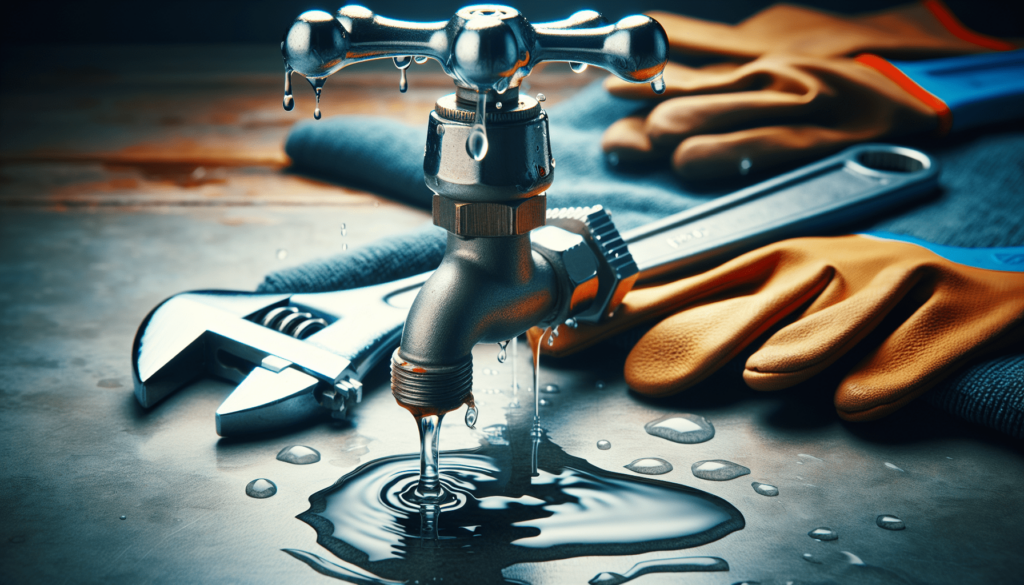
Faucets are used daily in our homes, so it’s no surprise that they can develop problems over time. Some of the most common faucet issues include leaks, low water pressure, and strange noises. By understanding the root cause of these problems, you can easily address them and prevent further damage.
Leaky Faucet
A leaky faucet is not only irritating to listen to but can also waste a significant amount of water over time. The most common cause of a leaky faucet is a worn-out washer, which can easily be replaced.
To fix a leaky faucet, start by turning off the water supply to the faucet. Remove the handle and then unscrew the valve stem to access the washer. Inspect the washer for any signs of wear or damage, and then replace it with a new one. Reassemble the faucet handle, turn on the water supply, and check for leaks.
Low Water Pressure
If you notice that water is trickling out of your faucet instead of flowing with force, you may have low water pressure. This can be caused by mineral build-up in the aerator, a clogged cartridge, or a faulty pressure regulator.
To address low water pressure, start by removing the aerator from the faucet and cleaning it thoroughly. If this doesn’t solve the issue, check the cartridge for any clogs and replace it if necessary. If the problem persists, you may need to adjust or replace the pressure regulator.
Strange Noises
If your faucet is making strange noises when you turn it on or off, it could be due to water hammer, loose components, or sediment build-up. Water hammer is caused by a sudden change in water pressure, which can be resolved by installing a water hammer arrestor. Loose components can be tightened to eliminate rattling noises, while sediment build-up can be cleared by flushing out the faucet.
To address strange noises coming from your faucet, start by identifying the source of the sound. If it’s water hammer, install a water hammer arrestor to absorb the shock. For loose components, tighten any screws or nuts that may be causing the noise. If sediment build-up is the issue, flush out the faucet by removing the aerator and running water through the faucet for a few minutes.
Types of Faucets
There are several different types of faucets commonly found in homes, each with its own unique design and features. Understanding the type of faucet you have can help you diagnose and repair issues more effectively. The most common types of faucets include compression, ball, cartridge, and ceramic disk faucets.
Compression Faucet
Compression faucets are one of the oldest types of faucets and are recognizable by their two handles—one for hot water and one for cold water. These faucets work by compressing a rubber washer against a valve seat to control the flow of water.
If you have a compression faucet, you may experience leaks due to a worn-out washer. To fix a leaky compression faucet, follow the steps outlined earlier for replacing the washer. Be sure to turn off the water supply before beginning any repairs.
Ball Faucet
Ball faucets are common in kitchens and feature a single handle that you can move in multiple directions to control the temperature and flow of water. These faucets contain a ball-shaped assembly with chambers and rubber seals that can wear out over time.
If you have a ball faucet, leaks may be caused by worn-out seals or O-rings. To repair a leaky ball faucet, start by removing the handle and cap to access the ball assembly. Inspect the seals and O-rings for any signs of wear, and then replace them with new ones. Reassemble the faucet and check for leaks.
Cartridge Faucet
Cartridge faucets are popular in bathrooms and kitchens for their smooth operation and sleek design. These faucets feature a cartridge that controls the flow and temperature of water, making them easy to use and maintain.
If you have a cartridge faucet, leaks may be caused by a faulty cartridge or O-ring. To repair a leaky cartridge faucet, start by turning off the water supply and removing the handle to access the cartridge. Inspect the cartridge and O-ring for any damage, and then replace them if necessary. Reassemble the faucet and check for leaks.
Ceramic Disk Faucet
Ceramic disk faucets are known for their durability and longevity, making them a popular choice for modern bathrooms and kitchens. These faucets contain ceramic disks that move against each other to control the flow of water, resulting in a smooth and drip-free operation.
If you have a ceramic disk faucet, leaks may be caused by worn-out seals or debris. To repair a leaky ceramic disk faucet, start by turning off the water supply and removing the handle and disk cartridge. Inspect the seals for any signs of wear or debris, and then clean or replace them as needed. Reassemble the faucet and check for leaks.
Tools and Materials
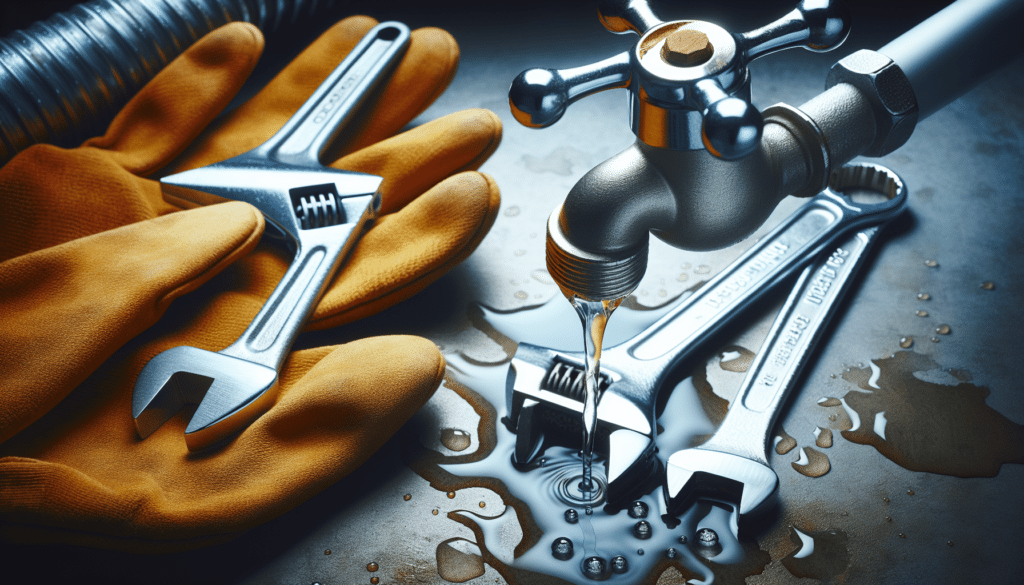
Before you begin repairing your faucet, it’s essential to have the right tools and materials on hand to ensure a successful outcome. Some common tools and materials you may need for faucet repair include:
- Adjustable wrench
- Phillips screwdriver
- Flathead screwdriver
- Allen wrench
- Replacement washers, O-rings, and seals
- Plumber’s grease
- Towels or rags
- Bucket
Having these items readily available will make the repair process quicker and more efficient, allowing you to fix your faucet with ease.
DIY Faucet Repair
Now that you have all the necessary tools and materials, it’s time to roll up your sleeves and start repairing your faucet. Follow these step-by-step instructions to address common faucet issues and restore your faucet to proper working order.
Step 1: Turn Off the Water Supply
Before you begin any faucet repair, it’s crucial to turn off the water supply to prevent any leaks or water damage. Locate the shut-off valves under the sink or near the faucet and turn them clockwise to close off the water flow.
Step 2: Identify the Type of Faucet
Determine the type of faucet you have (compression, ball, cartridge, or ceramic disk) to narrow down the potential causes of the issue. Once you know the type of faucet, you can proceed with the appropriate repair method.
Step 3: Disassemble the Faucet
Remove the handle and any other components necessary to access the internal parts of the faucet, such as the valve stem, cartridge, or disk assembly. Use the appropriate tools, such as a wrench or screwdriver, to loosen and remove these components carefully.
Step 4: Inspect for Damage
Inspect the internal components of the faucet, such as washers, seals, O-rings, and cartridges, for any signs of wear, damage, or debris. Replace any faulty parts with new ones to ensure a proper seal and prevent leaks.
Step 5: Clean and Lubricate
Clean any components with soap and water to remove dirt, mineral deposits, or grime that may be affecting the faucet’s performance. Apply plumber’s grease to moving parts, such as O-rings and cartridges, to ensure smooth operation and prevent friction.
Step 6: Reassemble and Test
Reassemble the faucet in the reverse order of disassembly, ensuring that each component is securely tightened and aligned correctly. Turn on the water supply and test the faucet for leaks, proper flow, and temperature control.
Step 7: Adjust and Fine-Tune
If the faucet is still experiencing issues after repair, adjust any settings, such as water pressure or temperature, to achieve optimal performance. Fine-tune the faucet’s operation and test it thoroughly to ensure that the problem has been resolved.
By following these steps and taking the time to diagnose and repair common faucet issues, you can restore your faucet to proper working order and avoid costly repairs or replacements in the future. Remember to maintain your faucet regularly by cleaning and lubricating the components to extend its lifespan and prevent issues from arising.
Conclusion
In conclusion, faucet repair is a simple and cost-effective solution to common issues such as leaks, low water pressure, and strange noises. By understanding the type of faucet you have, the tools and materials you need, and the step-by-step repair process, you can successfully address any problems that may arise. Whether you have a compression, ball, cartridge, or ceramic disk faucet, rest assured that you can tackle any issue with confidence and skill. Take pride in your DIY abilities and enjoy a properly functioning faucet in your home!