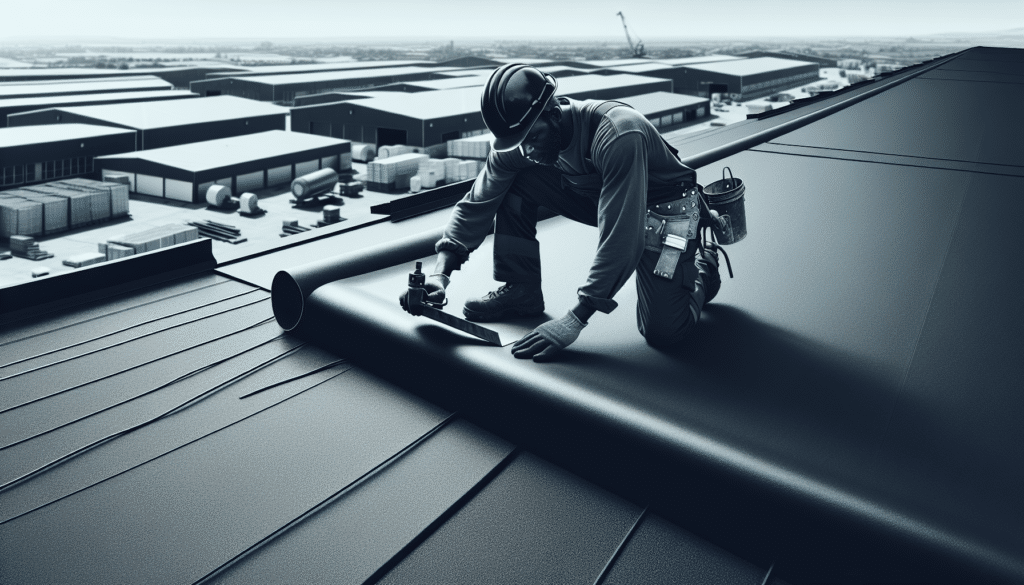
Have you been considering installing or replacing your flat roof with either flat foam or single ply roofing? Both options offer a durable and efficient solution for your roofing needs. Flat foam roofing provides excellent insulation and can help lower energy costs, while single ply roofing is known for its easy installation and low maintenance requirements. Whichever option you choose, you can trust that professional installation will ensure a long-lasting and weather-resistant roof over your head. Are you looking to install or replace your roofing but unsure whether to go with flat foam or single ply roofing? There are many factors to consider when making this decision, from the climate you live in to the cost and durability of each option. Let’s break down the differences between these two types of roofing to help you make the best choice for your home.
Flat Foam Roofing
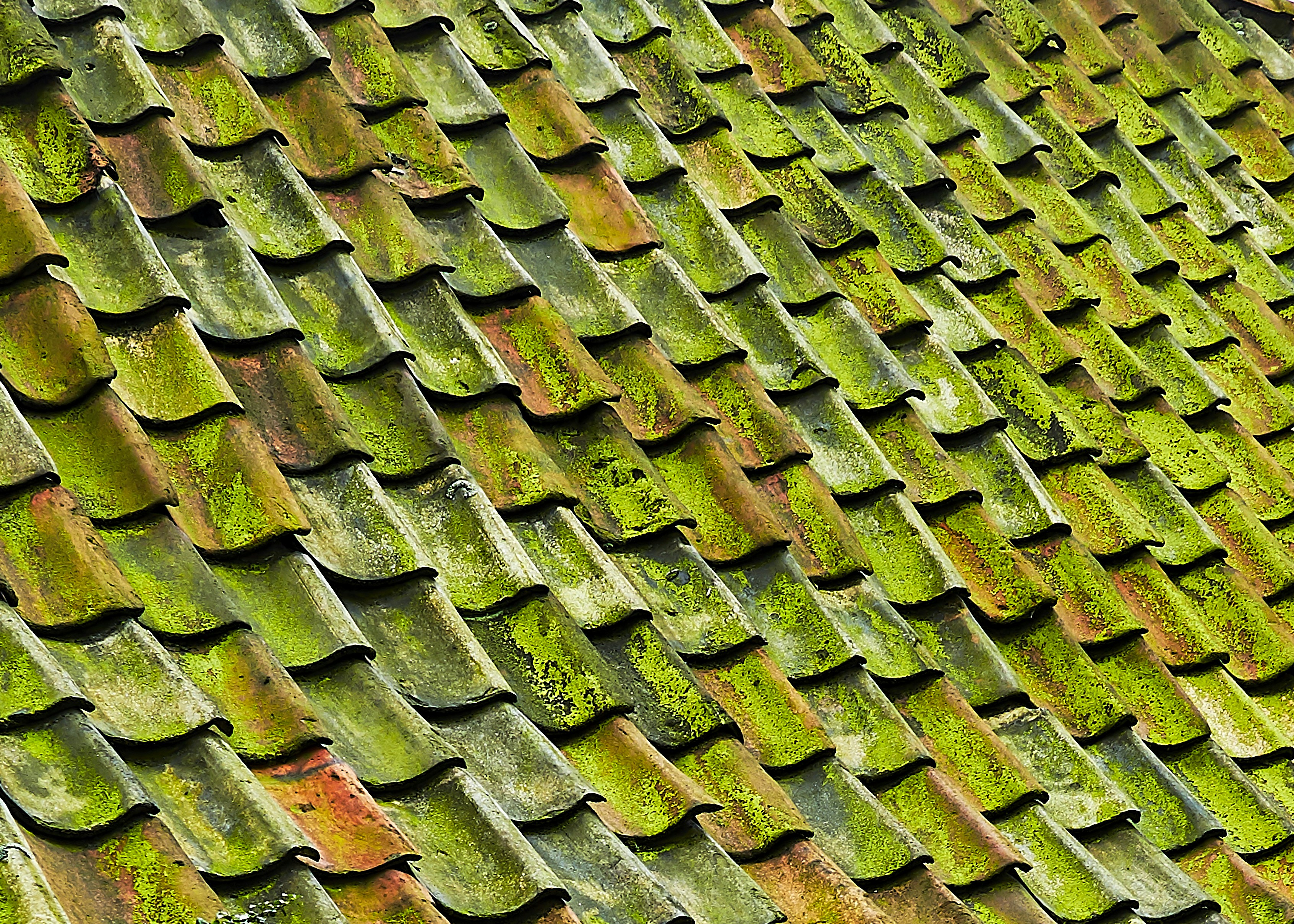
Flat foam roofing, also known as spray polyurethane foam (SPF) roofing, is a popular choice for commercial and residential buildings with flat or low-slope roofs. This type of roofing is created by spraying a liquid mixture of isocyanate and polyol onto the roof, where it expands to form a solid foam. The foam then hardens into a seamless, durable, and waterproof surface that provides excellent insulation and energy efficiency.
Flat foam roofing has many advantages, such as its ability to be applied to virtually any roof shape or size. Its seamless design prevents leaks and water damage, making it a long-lasting and cost-effective option for many homeowners. Additionally, flat foam roofing is lightweight and can help improve the energy efficiency of your home by reducing heat loss and air infiltration.
Pros of Flat Foam Roofing
Flat foam roofing offers numerous benefits for homeowners, including:
- Seamless design: Prevents leaks and water damage
- Energy-efficient: Reduces heat loss and air infiltration
- Lightweight: Does not add significant weight to the structure
- Long-lasting: Can last up to 50 years with proper maintenance
Cons of Flat Foam Roofing
While flat foam roofing has many advantages, there are also some drawbacks to consider:
- Initial cost: Can be more expensive than traditional roofing materials
- Maintenance: Requires periodic inspections and repairs
- UV exposure: Can degrade over time when exposed to sunlight
Single Ply Roofing
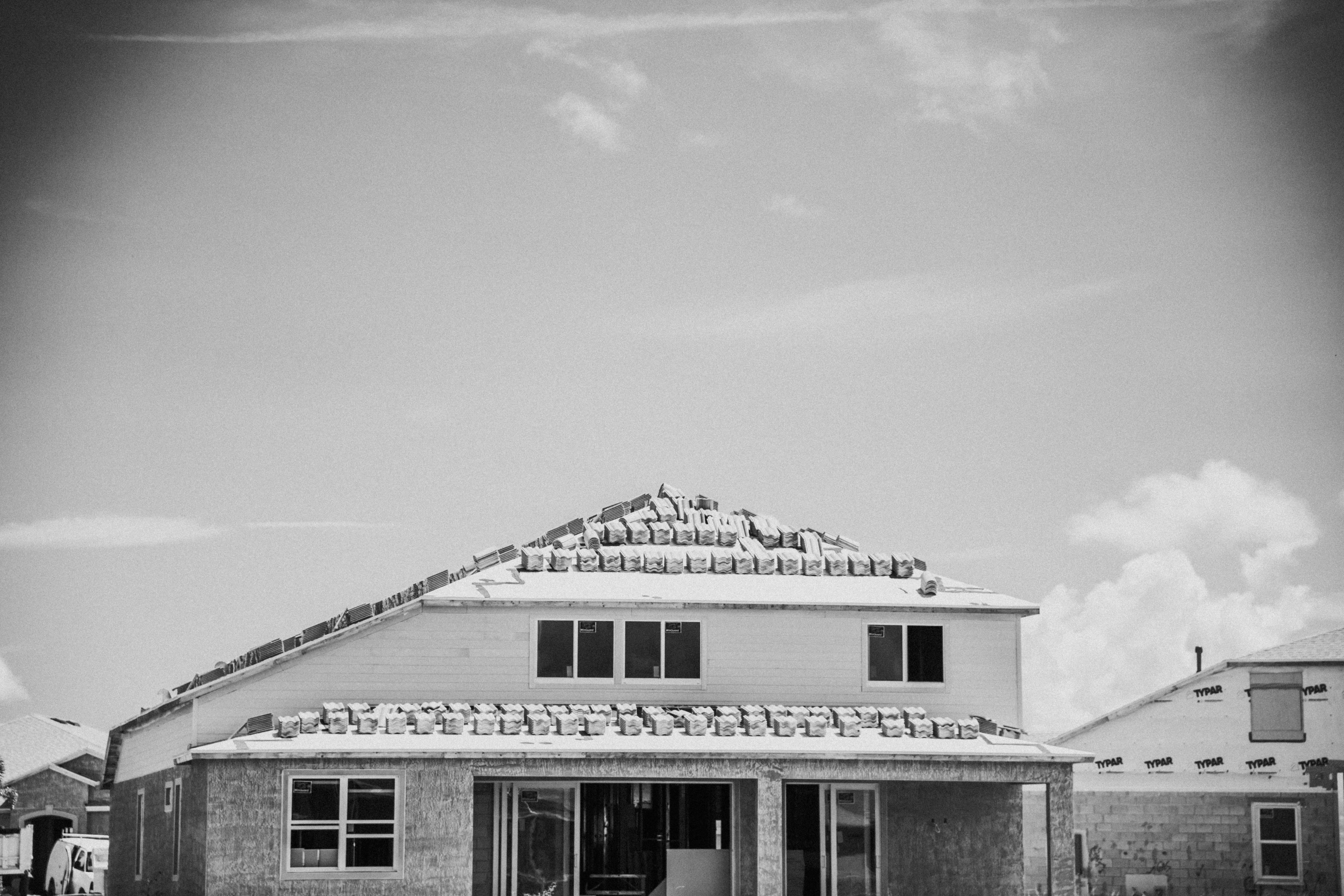
Single ply roofing is a popular choice for flat or low-slope roofs, offering a lightweight and flexible solution for both residential and commercial buildings. This type of roofing is made from a single layer of synthetic polymer or rubber material that is applied in one continuous sheet. Single ply roofing is available in different materials, such as thermoplastic polyolefin (TPO), polyvinyl chloride (PVC), and ethylene propylene diene monomer (EPDM), each with its own advantages and disadvantages.
Single ply roofing is known for its ease of installation, durability, and energy efficiency. It is resistant to UV radiation and weathering, making it a long-lasting and low-maintenance option for homeowners. Additionally, single ply roofing is highly flexible and can adapt to temperature changes without cracking or becoming brittle, ensuring a watertight seal for your home.
Pros of Single Ply Roofing
Single ply roofing offers many benefits for homeowners, including:
- Easy installation: Requires minimal labor and time
- Durability: Resistant to UV radiation and weathering
- Energy-efficient: Reflects sunlight and reduces heat absorption
- Low maintenance: Requires little upkeep over its lifespan
Cons of Single Ply Roofing
While single ply roofing has numerous advantages, there are also some disadvantages to consider:
- Vulnerability to punctures: Can be damaged by sharp objects or foot traffic
- Limited color options: Available in a limited range of colors
- Expansion and contraction: Can be affected by temperature changes and building movement
Choosing the Right Option for Your Home
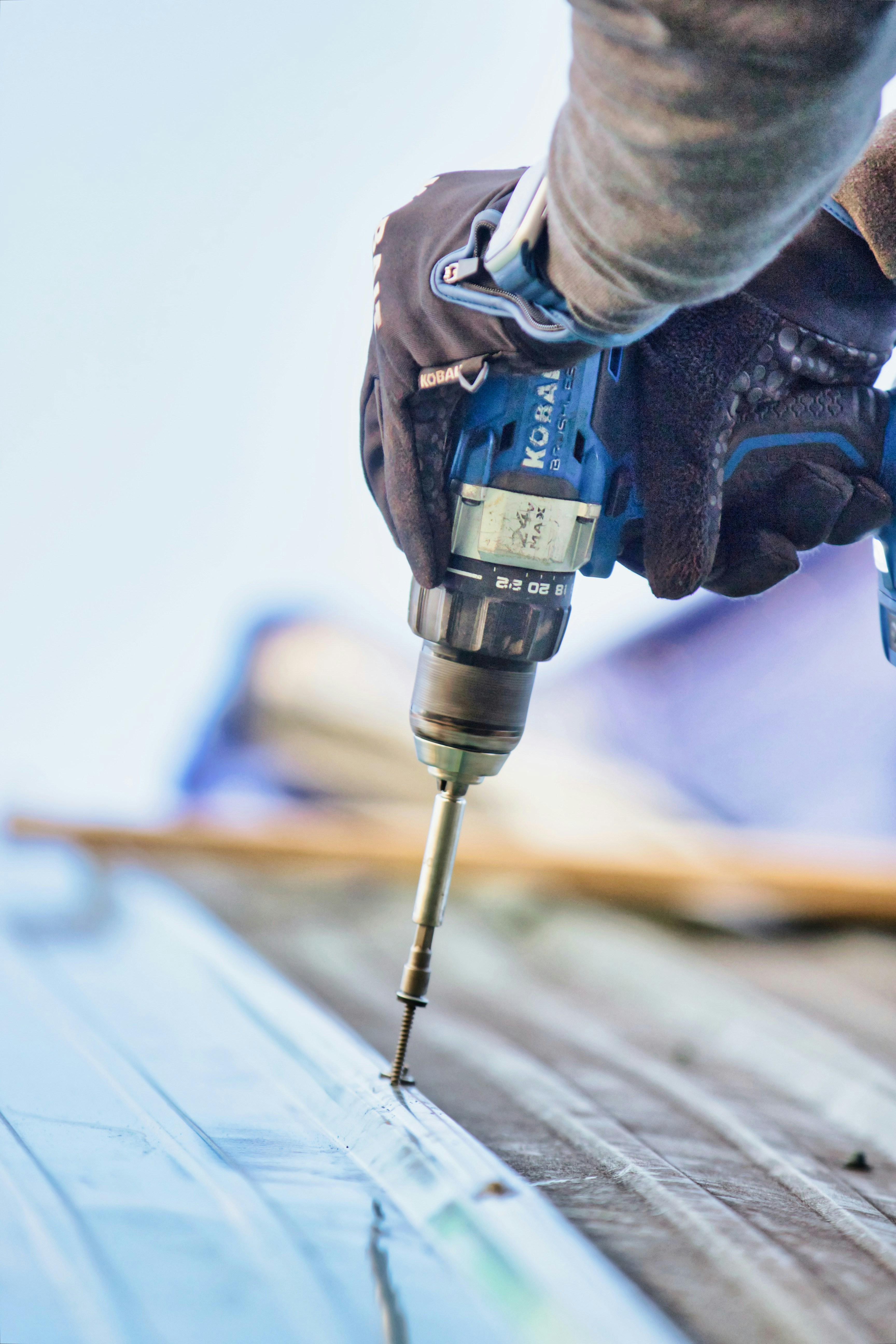
When deciding between flat foam and single ply roofing for your home, it’s essential to consider your specific needs and preferences. Here are some factors to keep in mind when making this decision:
- Climate: Consider the weather conditions in your area, such as temperature fluctuations and extreme weather events.
- Budget: Determine how much you are willing to spend on your roofing project, including installation, maintenance, and repairs.
- Longevity: Think about how long you plan to stay in your home and how durable you need your roof to be.
- Energy efficiency: Evaluate the energy-saving benefits of each roofing option and how they can help reduce your utility bills.
- Maintenance: Consider the amount of upkeep required for each type of roofing and your ability to perform regular inspections and repairs.
By weighing these factors and consulting with a roofing professional, you can make an informed decision about whether flat foam or single ply roofing is the best choice for your home. Both options offer unique benefits and drawbacks, so it’s crucial to find the right balance between cost, durability, and performance for your specific needs.
Choosing a Roofing Contractor
Once you have decided on the type of roofing you want for your home, the next step is to find a reputable and experienced roofing contractor to install or replace your roof. Here are some tips for choosing the right roofing contractor for your project:
- Get multiple quotes: Compare quotes from different contractors to ensure you are getting a fair price for the work.
- Check references: Ask for references from previous customers and check online reviews to verify the contractor’s reputation.
- Verify insurance and licensing: Confirm that the contractor is insured and licensed to work in your area to avoid liability issues.
- Discuss warranties: Inquire about the warranties offered by the contractor for both materials and labor to protect your investment.
- Review the contract: Read the contract carefully and make sure it includes all project details, costs, and timelines before signing.
By taking these steps and working with a professional roofing contractor, you can ensure that your roofing project is completed efficiently and to the highest standards of quality. Whether you choose flat foam or single ply roofing for your home, investing in a new roof can enhance the curb appeal, energy efficiency, and overall value of your property for years to come.
In conclusion, deciding between flat foam and single ply roofing for your home is a significant investment that requires careful consideration of various factors. Both options offer unique benefits and drawbacks, so it’s essential to weigh your priorities and consult with a roofing professional to make the best choice for your specific needs. By researching your options, choosing the right materials and contractor, and maintaining your roof properly, you can enjoy a durable, energy-efficient, and long-lasting roof for your home.