Welcome to “Furniture-Refinish,” your go-to resource for all things related to revamping your furniture. Whether you’re looking to restore an old piece or add a fresh coat of paint to give it a new look, we’ve got you covered. From step-by-step tutorials to tips on choosing the right materials, we’re here to help you bring new life to your furniture projects. So roll up your sleeves, grab your brushes, and let’s get refinishing! Have you ever looked at a piece of furniture in your home and thought, “I could really spruce this up”? Well, you’re in luck because refinishing furniture is a fun and rewarding DIY project that can give new life to old pieces. In this article, you’ll learn everything you need to know about furniture refinishing, from choosing the right piece to finishing touches. Let’s get started!
Choosing the Right Piece
When it comes to refinishing furniture, the first step is choosing the right piece to work on. Look for solid wood pieces with good bones, as they will be the easiest to refinish. Avoid pieces with veneer or laminate, as they can be more difficult to work with. Think about what style you want to achieve – whether it’s a modern, farmhouse, or vintage look – and choose a piece that fits that aesthetic.
Tools and Materials
Before you begin your furniture refinishing project, make sure you have all the necessary tools and materials. Here’s a list of what you’ll need:
| Tools | Materials |
|---|---|
| Sandpaper | Paint or stain |
| Paintbrushes | Wood filler |
| Dust mask | Primer |
| Paint scraper | Clear coat |
| Sanding block |
Having the right tools and materials on hand will make the refinishing process go smoothly and ensure a professional-looking finish.
Preparing the Furniture
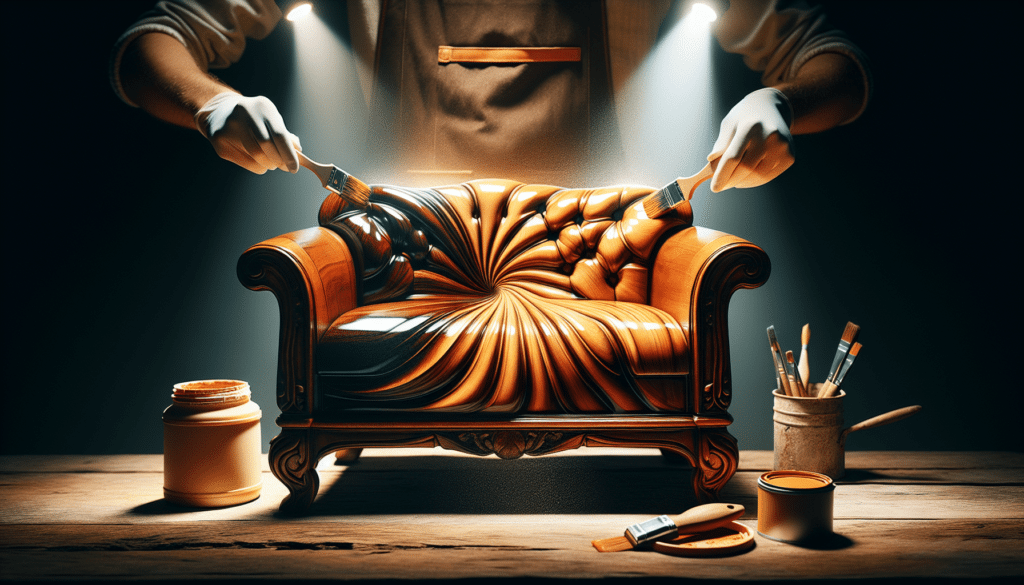
Now that you have your piece of furniture and all the necessary tools and materials, it’s time to prepare the furniture for refinishing. Start by removing any hardware, such as knobs or handles, and clean the piece thoroughly with a mild soap and water solution. If there are any repairs needed, like loose joints or cracked wood, now is the time to fix them with wood filler.
Once the piece is clean and repair, you can start sanding. Use coarse sandpaper to remove any existing finish or paint, then switch to finer grit sandpaper to smooth out the surface. Don’t forget to wear a dust mask to protect yourself from inhaling sanding dust.
Choosing a Finish
When it comes to refinishing furniture, you have several options for finishes. Paint is a great choice if you want to completely change the color of the piece and hide imperfections. Stain, on the other hand, is ideal for showcasing the natural beauty of the wood. If you want a durable finish that shows off the wood grain, consider using a clear coat.
Think about the function of the piece – for example, a dining table or dresser may require a more durable finish than a decorative accent table. Consider the overall look you want to achieve and choose a finish that complements that vision.
Applying the Finish
Now that you’ve chosen your finish, it’s time to apply it to the furniture. Start by applying a primer if you’re painting the piece, as this will help the paint adhere better and provide a smoother finish. Use a paintbrush or sprayer to apply the paint in thin, even coats, allowing each coat to dry completely before adding the next.
If you’re staining the piece, use a clean cloth or brush to apply the stain in the direction of the wood grain. Let the stain sit for a few minutes before wiping off any excess with a clean cloth. For a darker color, you can apply multiple coats of stain until you achieve your desired shade.
Once the paint or stain is dry, apply a clear coat to protect the finish and add durability. Again, apply the clear coat in thin, even coats, allowing each coat to dry completely before adding the next. This will ensure a smooth and durable finish that will last for years to come.
Finishing Touches
The last step in the furniture refinishing process is adding the finishing touches. Reattach any hardware that was removed, and consider adding new knobs or handles for a fresh look. If there are any decorative details, like molding or trim, consider painting or staining them to match the rest of the piece.
Once you’ve added the finishing touches, step back and admire your handiwork. You’ve transformed an old piece of furniture into something new and beautiful that fits your style and personality. Now all that’s left to do is find the perfect spot for your refinished furniture in your home.
Conclusion
Refinishing furniture is a rewarding DIY project that allows you to breathe new life into old pieces and create something unique for your home. By choosing the right piece, gathering the necessary tools and materials, preparing the furniture properly, choosing a finish, applying the finish, and adding finishing touches, you can easily refinish furniture like a pro.
So what are you waiting for? Pick a piece of furniture that needs some love and get started on your furniture refinishing project today. With a little time and effort, you’ll have a beautifully refinished piece that you can be proud to display in your home. Happy refinishing!