Welcome to an informative article all about repairing your gas boiler or radiator heating system! Whether you’re dealing with a malfunctioning boiler or a leaky radiator, this article will provide you with helpful tips and tricks to get your heating system back up and running efficiently. From troubleshooting common issues to knowing when it’s time to call in a professional, we’ve got you covered. Say goodbye to chilly nights and hello to cozy warmth with our expert advice on gas boiler or radiator heating system repair. Have you been experiencing issues with your gas boiler or radiator heating system? Not sure whether to repair it yourself or call in a professional? In this article, we will guide you through the process of repairing your gas boiler or radiator heating system, so you can stay warm and cozy during the colder months. Let’s dive in and get your heating system back up and running smoothly!
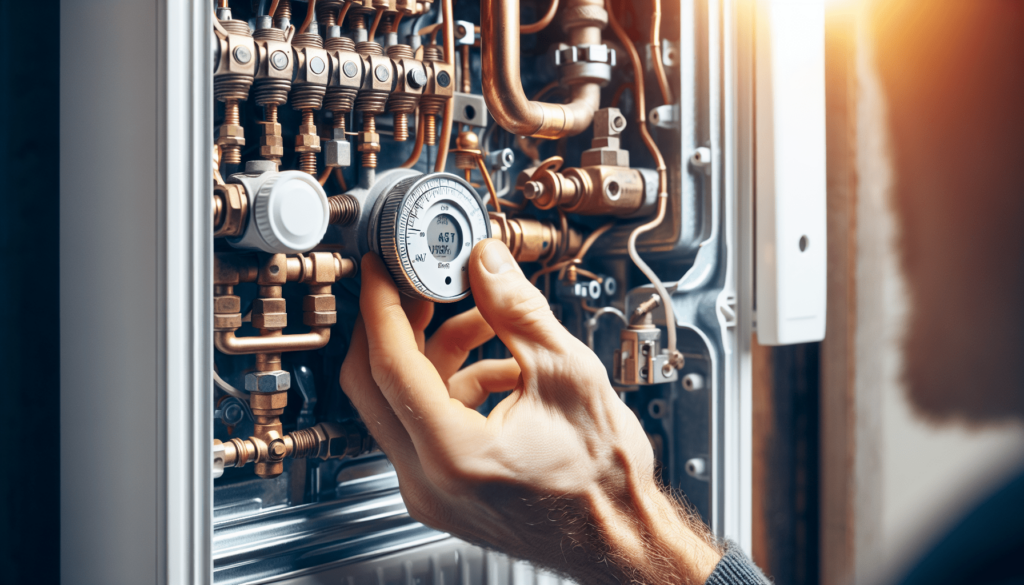
DIY Gas Boiler Repairs
If you are handy around the house and have some basic plumbing skills, you may be able to tackle some gas boiler repairs yourself. Here are a few common issues and how you can address them:
Lack of Heat
If your gas boiler is not producing enough heat, the first thing to check is the thermostat. Make sure it is set to the desired temperature and that the batteries are in good condition. If the thermostat is working properly, check the pilot light. If the pilot light is out, follow the manufacturer’s instructions to relight it.
No Hot Water
If you are not getting hot water from your gas boiler, check the settings on your hot water tank. Make sure the tank is set to the appropriate temperature. If the tank is set correctly but you still do not have hot water, check the pilot light on the boiler. If the pilot light is out, follow the manufacturer’s instructions to relight it.
Strange Noises
If your gas boiler is making strange noises, such as banging or whistling, it could indicate a buildup of air or debris in the system. Bleeding the radiators can help release trapped air and improve the circulation of hot water. If the noise persists, you may need to call in a professional to clean and inspect the boiler.
Leaks
If you notice any leaks around your gas boiler, it is important to address them promptly to prevent water damage and potential safety hazards. Check for visible leaks in the pipes or connections and tighten any loose fittings. If the leak persists, shut off the water supply to the boiler and call a professional plumber for assistance.
Professional Gas Boiler Repairs
While some gas boiler repairs can be done DIY, others are best left to the professionals. Here are a few scenarios where you should call in a professional plumber:
Gas Leak
If you suspect a gas leak in your home, it is crucial to act quickly and evacuate the premises. Do not attempt to fix a gas leak yourself, as this can be extremely dangerous. Call your gas provider or a licensed plumber immediately to inspect and repair the leak.
Carbon Monoxide Detection
Carbon monoxide is a colorless, odorless gas that can be produced by gas boilers. If you have a carbon monoxide detector in your home and it goes off, evacuate the premises immediately and call emergency services. Do not attempt to investigate or repair the issue yourself, as carbon monoxide is a serious health hazard.
Pilot Light Issues
If you are unable to relight the pilot light on your gas boiler, or if it keeps going out, this could indicate a more serious problem with the system. A professional plumber can inspect the boiler and determine the underlying issue, whether it be a faulty thermocouple or a blocked gas line.
Water Pressure Problems
If your gas boiler is experiencing low water pressure, this can lead to inefficient heating and hot water production. A professional plumber can inspect the system, check for leaks or blockages, and adjust the water pressure to ensure optimal performance.
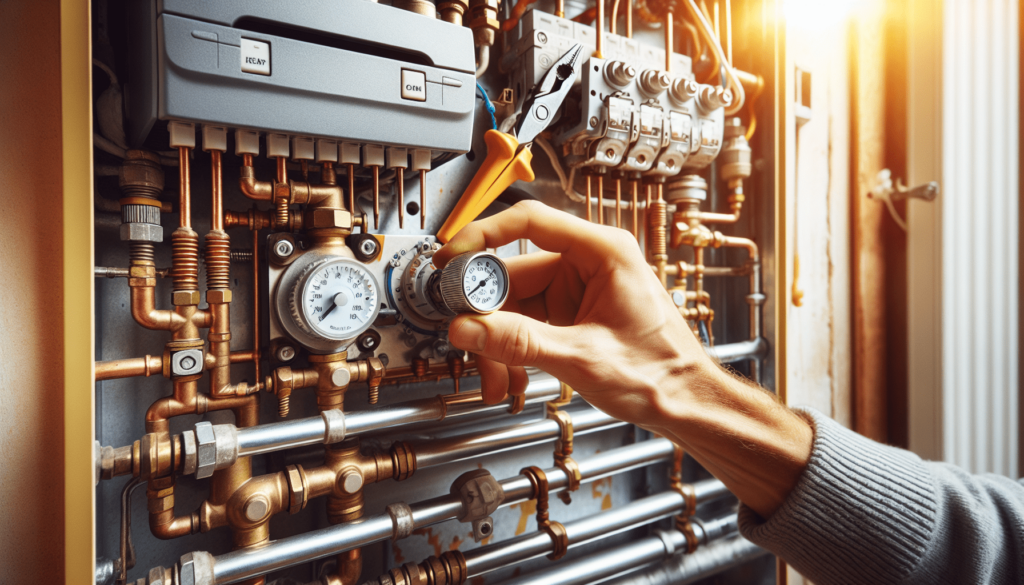
DIY Radiator Heating System Repairs
Radiators are a common heating system in many homes, and like gas boilers, they can experience issues from time to time. Here are a few common radiator problems and how you can address them yourself:
Cold Spots
If you notice cold spots on your radiator, this could indicate trapped air in the system. Bleeding the radiator can help release the air and allow hot water to flow freely. Use a radiator key to open the bleed valve and release any trapped air. Be sure to place a cloth or towel underneath to catch any water that may come out.
Leaking Radiator
If you have a leaking radiator, it is important to address the issue promptly to prevent water damage and potential safety hazards. Check the connections and valves for any leaks and tighten any loose fittings. If the leak persists, turn off the water supply to the radiator and call a professional plumber for assistance.
Noisy Radiator
If your radiator is making loud banging or clanging noises, this could be due to trapped air or debris in the system. Bleeding the radiator can help release the trapped air and improve circulation. If the noise continues, you may need to call in a professional to flush the system and remove any blockages.
Uneven Heating
If some of your radiators are not heating up as much as others, this could be due to trapped air or debris in the system, or an imbalanced water flow. Bleeding the radiators can help release trapped air and improve circulation. If the issue persists, you may need to call in a professional to balance the system and ensure even heat distribution.
Professional Radiator Heating System Repairs
While many radiator issues can be addressed DIY, there are some scenarios where you should call in a professional plumber:
Corrosion
If you notice rust or corrosion on your radiators, this could indicate a more serious issue with the system. A professional plumber can inspect the radiators and determine the extent of the damage. Depending on the severity, they may need to repair or replace the affected components to prevent further corrosion and ensure optimal heating performance.
Water Leaks
If you notice any water leaks around your radiators, it is important to address them promptly to prevent water damage and potential safety hazards. Check for visible leaks in the pipes or connections and tighten any loose fittings. If the leak persists, shut off the water supply to the radiator and call a professional plumber for assistance.
Valve Malfunction
If the valves on your radiators are not opening or closing properly, this can lead to inefficient heating and temperature control. A professional plumber can inspect the valves, replace any faulty components, and ensure that the system is working correctly. Proper valve function is essential for maintaining a comfortable and consistent temperature in your home.
System Flushing
Over time, radiator systems can accumulate debris and sludge that can impede heat flow and reduce efficiency. A professional plumber can flush the system to remove any buildup and restore optimal performance. Flushing the system can help improve heat circulation, reduce noise, and extend the lifespan of your radiators.
In conclusion, whether you are dealing with a gas boiler or radiator heating system, it is important to address any issues promptly to ensure optimal performance and safety. DIY repairs can be a cost-effective solution for minor problems, but for more serious issues or safety concerns, it is best to call in a professional plumber. By following the tips and guidelines in this article, you can keep your home warm and cozy all winter long.