Whether you are looking to upgrade your current heating and cooling system or are in need of a new one altogether, the decision to install or replace a heat pump can be a daunting one. With the potential benefits of increased energy efficiency and cost savings, it is essential to weigh the pros and cons before making a final decision. In this article, we will explore the factors to consider when deciding whether to install or replace a heat pump, helping you make the best choice for your home. Have you been considering replacing or installing a new heat pump in your home? Making the decision can be overwhelming, but this article is here to help guide you through the process. From understanding the benefits of a heat pump to determining when it’s time for a replacement, we’ve got you covered. Let’s dive in!

Benefits of a Heat Pump
Heat pumps are a cost-effective and energy-efficient way to heat and cool your home. They work by transferring heat from one place to another, rather than generating heat themselves – making them a more sustainable choice for your household. With the ability to both heat and cool your home, heat pumps provide year-round comfort while saving you money on your energy bills.
Saving Money
Who doesn’t love saving money, right? Heat pumps are known for their energy efficiency, which can lead to significant savings on your heating and cooling costs. By using less energy to heat and cool your home, you can see a noticeable decrease in your monthly utility bills. Plus, with energy-saving features like programmable thermostats, you can further optimize your energy usage and save even more money in the long run.
Year-Round Comfort
Say goodbye to separate heating and cooling systems with a heat pump. With the ability to both heat and cool your home, you can enjoy consistent comfort no matter the season. Whether it’s a scorching summer day or a freezing winter night, your heat pump can keep your home at the perfect temperature year-round.
Signs It’s Time for a Replacement
While heat pumps are known for their durability, there eventually comes a time when a replacement is necessary. Knowing the signs to look out for can help you avoid unexpected breakdowns and costly repairs. If you notice any of the following indicators, it may be time to consider replacing your heat pump.
Age of Your Heat Pump
Like most appliances, heat pumps have a limited lifespan. On average, a heat pump can last anywhere from 10 to 15 years with proper maintenance. If your heat pump is nearing the end of its expected lifespan, it may be more cost-effective to replace it rather than continuing to invest in repairs.
Rising Energy Bills
Have you noticed a steady increase in your energy bills? Your heat pump could be to blame. As heat pumps age, they become less energy-efficient, leading to higher energy consumption and increased costs. If you find yourself paying more to heat and cool your home, it might be time to replace your heat pump with a newer, more efficient model.
Strange Noises or Odors
Unusual noises or odors coming from your heat pump are never a good sign. These can be indicators of underlying issues such as mechanical failures, electrical problems, or mold growth. If you hear grinding, banging, or hissing noises, or detect foul odors, it’s best to have a professional inspect your heat pump and advise on whether a replacement is necessary.
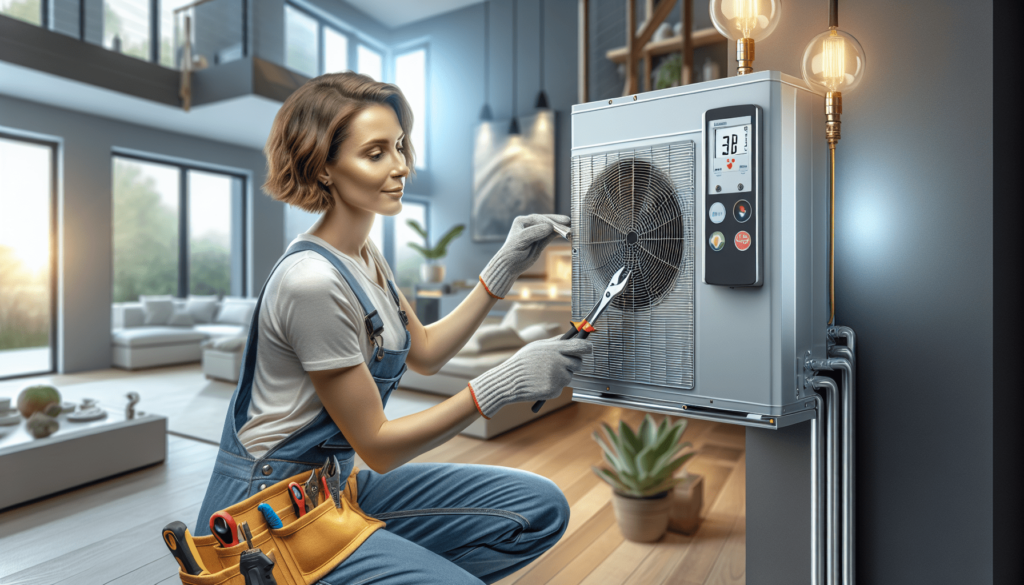
Installing a New Heat Pump
So, you’ve decided it’s time to replace your heat pump – now what? Installing a new heat pump is a job best left to the professionals, but understanding the process can help you feel more confident in your decision. From selecting the right heat pump for your home to ensuring proper installation, here’s what you need to know.
Choosing the Right Heat Pump
With a variety of heat pump options available on the market, choosing the right one for your home can feel overwhelming. Factors to consider include the size and layout of your home, your climate, energy efficiency ratings, and your budget. Consulting with a heating and cooling professional can help you select the best heat pump for your specific needs.
Sizing and Placement
Proper sizing and placement of your new heat pump are crucial for optimal performance and efficiency. A heat pump that is too large or too small for your home can result in inconsistent heating and cooling, higher energy bills, and premature wear and tear. Your HVAC technician will assess your home’s size, insulation, and layout to determine the ideal placement and size for your new heat pump.
Installation Process
Once you’ve selected the right heat pump for your home, it’s time for installation. The process typically involves removing the old unit, installing the new heat pump, connecting it to your existing ductwork or installing new ducts if necessary, and testing the system to ensure it’s working correctly. A professional HVAC technician will handle all aspects of the installation process, ensuring that your new heat pump is set up for maximum efficiency and performance.
Repairing vs. Replacing
If your heat pump is showing signs of wear and tear, you may be faced with the decision to repair or replace it. While repairs can be a less expensive upfront cost, they may not always be the best long-term solution. Understanding the pros and cons of repairing versus replacing your heat pump can help you make an informed decision.
Repairing Your Heat Pump
Minor issues such as a faulty thermostat, clogged filters, or a refrigerant leak can often be repaired without the need for a full replacement. Repairs are typically less expensive than replacements and can extend the lifespan of your heat pump. However, frequent repairs or major issues such as compressor failure may indicate that a replacement is the more cost-effective option in the long run.
Replacing Your Heat Pump
If your heat pump is nearing the end of its lifespan, experiencing frequent breakdowns, or no longer providing efficient heating and cooling, a replacement may be the best course of action. While the initial cost of a replacement may be higher than a repair, you’ll benefit from improved energy efficiency, lower energy bills, and reliable performance for years to come. Consulting with a heating and cooling professional can help you determine whether repairing or replacing your heat pump is the right choice for your home.
Conclusion
Deciding whether to install or replace your heat pump is a significant investment in your home’s comfort and energy efficiency. By understanding the benefits of a heat pump, recognizing signs that it’s time for a replacement, and knowing what to expect during the installation process, you can make an informed decision that meets your heating and cooling needs. Whether you’re looking to save money on your energy bills, improve year-round comfort, or upgrade to a more efficient system, a heat pump can be a valuable addition to your home. Have more questions? Feel free to reach out to a heating and cooling professional for personalized guidance on selecting and installing the right heat pump for your home. Stay comfortable and cozy all year round with a new heat pump – you won’t regret it!