Welcome to the wonderful world of Interior Trim and Decorative Moldings-Repair! In this article, we will explore the importance of maintaining and repairing your home’s trim and moldings to keep it looking its best. From fixing minor cracks and chips to reviving outdated styles, you will learn tips and tricks to enhance the beauty of your living space. So grab your tools and let’s get started on sprucing up your home! Have you ever looked around your home and noticed that your interior trim and decorative moldings are looking a bit worse for wear? Maybe they’re chipped, cracked, or just looking outdated. If so, you might be wondering how to go about repairing or replacing them. Don’t worry, you’re not alone! In this article, we’ll walk you through everything you need to know about interior trim and decorative moldings repair. From identifying common issues to choosing the right materials and tools, we’ve got you covered. So grab your safety goggles and let’s get started!

Identifying Common Issues with Interior Trim and Decorative Moldings
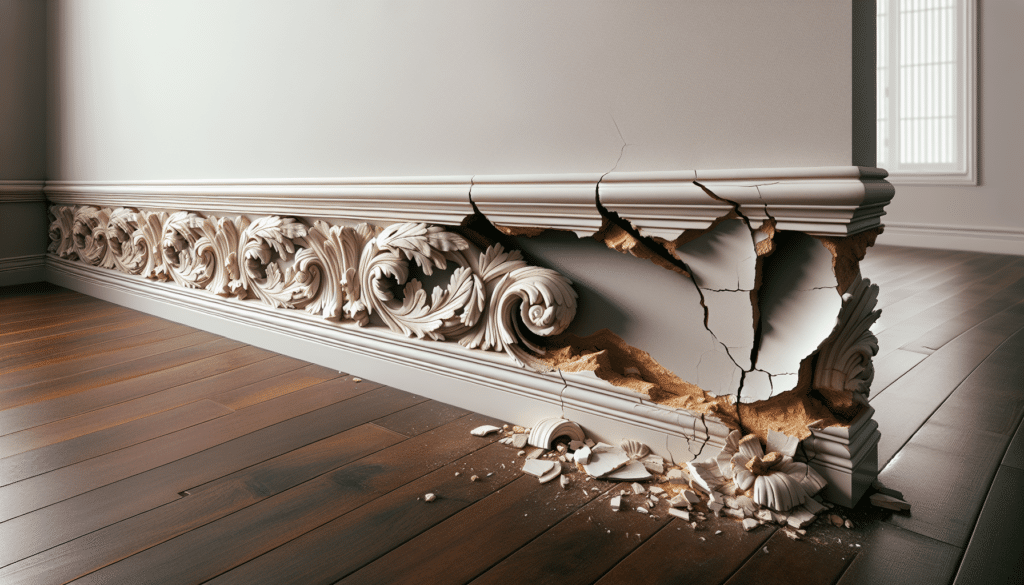
When it comes to repairing or replacing interior trim and decorative moldings, the first step is to identify the issues at hand. Common problems you may encounter include chipping, cracking, warping, or general wear and tear. These issues can be unsightly, but they’re also relatively easy to fix with the right tools and materials.
Chipping and Cracking
Chipping and cracking are two of the most common issues you’ll come across when dealing with interior trim and decorative moldings. These problems can be caused by a variety of factors, including age, moisture exposure, or improper installation. To repair chipped or cracked trim, you’ll need to fill in the damaged areas with wood filler or putty, sand them down until smooth, and then paint or stain to match the existing trim.
Warping and Twisting
Warping and twisting are often caused by changes in temperature and humidity, which can cause the wood to expand and contract. If you notice that your trim or moldings are warping or twisting, you’ll need to carefully remove them from the wall, straighten them out, and then reinstall them using nails or adhesives.
Wear and Tear
Over time, interior trim and moldings can start to show signs of wear and tear, such as dents, scratches, or fading. Fortunately, these issues can usually be addressed with a fresh coat of paint or stain. Simply sand down the surface, apply a new finish, and your trim will look as good as new.
Choosing the Right Materials and Tools for Repair
Once you’ve identified the issues with your interior trim and decorative moldings, it’s time to gather the materials and tools you’ll need for repair. Choosing the right materials is essential for a successful repair job, so be sure to select high-quality products that match the existing trim in your home.
Materials
- Wood filler or putty
- Sandpaper (various grits)
- Paint or stain
- Paintbrushes or foam rollers
- Nails or adhesives
- Protective goggles and gloves
Tools
- Hammer
- Pry bar
- Putty knife
- Caulk gun
- Miter saw (if cutting new moldings)
- Tape measure
- Level
Repairing vs. Replacing Interior Trim and Moldings
When it comes to repairing or replacing interior trim and moldings, there are a few factors to consider. In some cases, simple repairs may be all that’s needed to restore your trim to its former glory. However, if the damage is extensive or if you’re looking to update the look of your home, replacing the trim entirely may be the best option.
Repairing
- Cost-effective
- Faster turnaround time
- Can maintain the original character of your home
Replacing
- Allows for customization
- Provides a fresh, updated look
- May be necessary for severely damaged trim
Steps for Repairing Interior Trim and Decorative Moldings
Now that you’ve gathered your materials and tools and decided whether to repair or replace your trim, it’s time to get down to business. Follow these steps to repair your interior trim and decorative moldings with ease.
- Identify the damaged areas and determine the extent of the repairs needed.
- Remove any nails or screws holding the trim in place.
- Use a pry bar and hammer to carefully remove the damaged trim from the wall.
- Fill in any cracks, chips, or holes with wood filler or putty, following the manufacturer’s instructions.
- Sand down the repaired areas until smooth.
- Apply a fresh coat of paint or stain to match the existing trim.
- Reinstall the repaired trim using nails or adhesives.
- Ensure the trim is securely in place and make any necessary touch-ups to the finish.
Tips for Maintaining Interior Trim and Decorative Moldings
Once you’ve repaired or replaced your interior trim and decorative moldings, you’ll want to ensure they stay looking their best for years to come. Follow these tips to maintain your trim and prevent future damage.
- Regularly dust and clean your trim to remove dirt and grime.
- Use a protective finish to seal the wood and prevent moisture damage.
- Avoid exposing your trim to extreme temperature changes or humidity levels.
- Inspect your trim regularly for signs of wear or damage and address any issues promptly.
Conclusion
Congratulations, you’ve successfully learned how to repair your interior trim and decorative moldings like a pro! Whether you’re dealing with chipping, cracking, warping, or general wear and tear, you now have the knowledge and skills to tackle the job with confidence. Remember to take your time, use the right materials and tools, and don’t be afraid to ask for help if needed. Soon enough, your trim will look as good as new, adding charm and character to your home for years to come. Happy repairing!