Metal Structure Or Object-Weld Or Cut
Welcome to the article on welding or cutting a metal structure or object. In this piece, you will explore the considerations and factors that can help you make the best choice for your project. Whether you are a seasoned professional or just starting, this information will guide you in determining the most effective method for your welding or cutting needs.
Stay tuned to learn more about metal structures and objects and how to approach them precisely and efficiently. Have you decided whether to weld or cut a metal structure or object? It can be challenging, but you can make an informed decision with the correct information. In this article, we will explore the differences between welding and cutting metal and when each method is appropriate.
Welding Metal Structures or Objects
Welding is one of the most common methods for joining metals together. It involves melting the base metal along with a filler metal to create a strong bond. There are several types of welding techniques, each with advantages and disadvantages.
Types of Welding Techniques
- MIG Welding: Also known as Gas Metal Arc Welding (GMAW), MIG welding is famous for its versatility and ease of use. It uses a wire electrode fed through a welding gun and melts into the base metal.
- TIG Welding: Tungsten Inert Gas (TIG) welding is a more precise method that uses a non-consumable tungsten electrode to create the weld. It is commonly used for thin materials and produces high-quality welds.
- Stick Welding: Shielded Metal Arc Welding (SMAW), or stick welding, is a versatile method suitable for outdoor use and works well on dirty or rusty materials.
- Flux-cored Arc Welding: FCAW is similar to MIG welding but uses a tubular wire filled with flux. This eliminates the need for a shielding gas, making it suitable for outdoor use.
When to Weld a Metal Structure or Object
Welding is preferred when a permanent bond needs to be created between two or more pieces of metal. It is commonly used in construction, automotive repair, and manufacturing industries. Welding is suitable for joining similar or dissimilar metals and can create solid and durable connections.
Pros and Cons of Welding
- Pros: Creates solid and permanent bonds | Versatile and suitable for a wide range of metals | Can be used for repairs as well as fabrications
- Cons: Requires specialized equipment and training | Can be time-consuming and labor-intensive | May cause warping or distortion in the base metal

Cutting Metal Structures or Objects
Cutting metal is necessary in many industries, from metal fabrication to automotive repair. Several methods exist for cutting metal, each with its own advantages and disadvantages. The choice of cutting method depends on factors such as the material thickness, the desired cut quality, and the cost.
Types of Cutting Techniques
- Oxy-Fuel Cutting: Oxy-fuel cutting combines oxygen and fuel gas to create a high-temperature flame that melts the metal. This method is suitable for cutting thick materials and is relatively inexpensive.
- Plasma Cutting: Plasma cutting uses a high-velocity jet of ionized gas to melt and remove metal. It is suitable for cutting various metals and produces clean, precise cuts.
- Laser Cutting: Laser cutting uses a high-powered laser to melt and vaporize metal. It is a precise method suitable for cutting thin materials and producing intricate shapes.
- Waterjet Cutting: Waterjet cutting uses a high-pressure stream of water mixed with abrasive particles to cut metal. It is a cold-cutting method that produces clean edges without heat-affected zones.
When to Cut a Metal Structure or Object
Cutting is necessary when you need to separate or shape metal components. It is commonly used in metal fabrication, construction, and industrial applications. Cutting is suitable for creating precise shapes, removing damaged sections, or preparing metal for welding or other processes.
Pros and Cons of Cutting
- Pros: Allows for precise cutting of metal | Can be used to create complex shapes | Suitable for a wide range of metals and thicknesses
- Cons: May produce heat-affected zones | Requires specialized equipment and training | Some methods can be expensive to operate
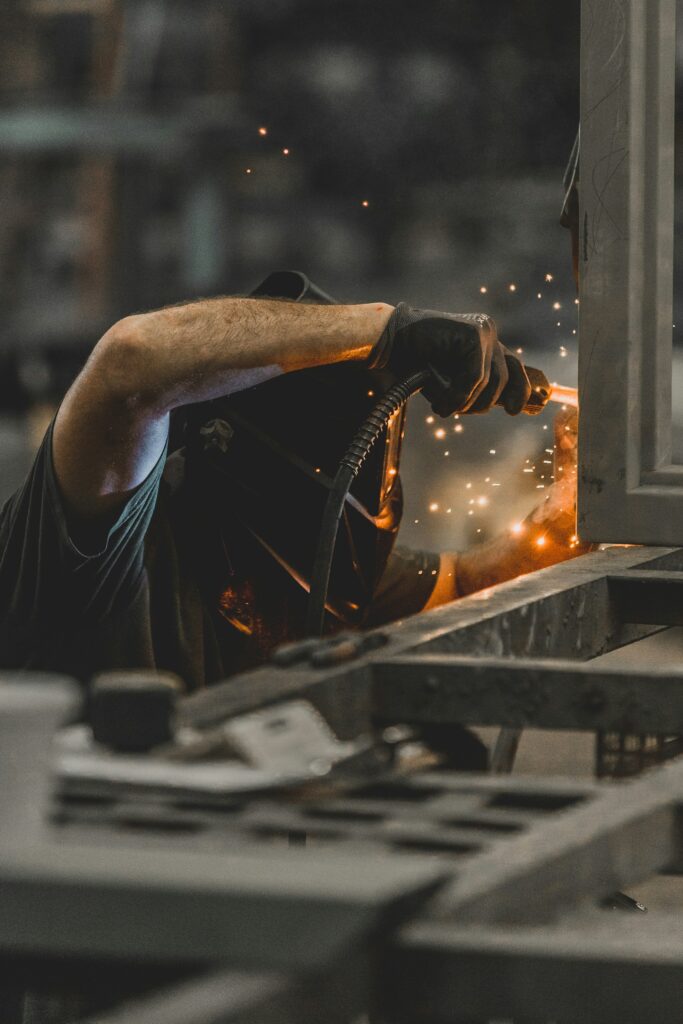
The decision to weld or cut a metal structure or object depends on several factors, including the intended application, the type of metal, and the desired result. Welding is ideal for creating strong, permanent bonds between metal components, while cutting is necessary for shaping, separating, or preparing metal for further processing.
Understanding the differences between welding and cutting allows you to make a decision based on your specific needs and requirements. Whether you weld or cut, always prioritize safety and follow best practices to ensure successful results.
Metal Structure or Object – Weld or Cut
When working with metal structures or objects, one key decision is whether to weld or cut the metal. Both processes have advantages and disadvantages, and it is important to weigh these factors carefully before making a decision.
Welding
Welding is a process that involves melting two pieces of metal together to form a strong bond. There are several different types of welding processes, including –
- Gas metal arc welding (GMAW)
- Gas tungsten arc welding (GTAW)
- Shielded metal arc welding (SMAW)
Some of the advantages of welding include –
- Creates a strong bond between metal pieces
- Can be used to create complex shapes and structures
- Provides a clean and seamless finish
However, there are also some disadvantages to welding –
- Requires specialized equipment and training
- Can be time-consuming and labor-intensive
- May cause distortion or warping of the metal
Cutting
Cutting is a process that involves removing material from a metal structure or object to reshape or resize it. There are several different methods of cutting metal, including –
- Plasma cutting
- Waterjet cutting
- Laser cutting
Some of the advantages of cutting include –
- Allows for precise shaping and sizing of metal pieces
- Can be faster and more cost-effective than welding
- Produces clean, smooth edges
However, there are also some disadvantages to cutting –
- May produce heat-affected zones that weaken the metal
- Can create sharp edges that require additional finishing
- May generate hazardous fumes or dust
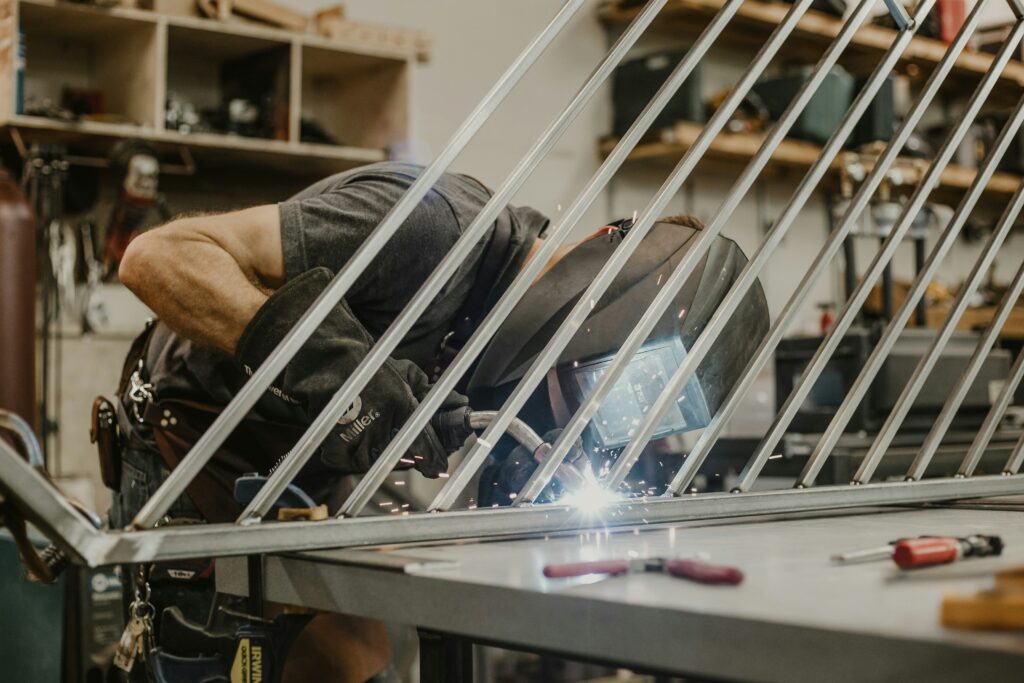
Which Should You Choose?
Ultimately, the decision to weld or cut metal will depend on various factors, including the project’s specific requirements, the budget, and the timeframe. Welding is better for projects requiring solid and seamless bonds between metal pieces. In comparison, cutting is better for projects that reshape or resize metal structures.
It is important to consult with a metal fabrication expert before making a decision. They can help you determine the best course of action based on your specific needs and requirements.
Whether you choose to weld or cut metal structures or objects, it is essential to carefully consider the advantages and disadvantages of each process before making a decision. By weighing these factors and consulting with a metal fabrication expert, you can ensure your project is completed successfully and efficiently.
Related Topics About Metal Structure Or Object-Weld Or Cut
How To Weld 2 Pieces Of Metal Together,
Weld Small Metal Pieces,
Weld Two Pieces Of Metal Together,
Welding Small Metal Parts
===========
Content 10/10/G