Hey there! Have you ever found yourself in a situation where your portable generator suddenly stops working? Well, don’t worry because this article is here to help! We will discuss the common issues that can arise with portable generators and provide tips on how to repair them. Keeping your generator in top condition is essential for ensuring a reliable power source during emergencies or outdoor adventures. So, let’s dive in and learn how to troubleshoot and repair your portable generator! Are you tired of your portable generator breaking down at the most inconvenient times? Don’t worry, we’ve got you covered! In this guide, we’ll walk you through everything you need to know about repairing your portable generator so you can get back up and running in no time.
Common Problems with Portable Generators
Portable generators are essential during power outages or when you need electricity in remote locations. However, they can sometimes run into issues that prevent them from working properly. Let’s take a look at some common problems you might encounter with your portable generator:
Engine Failure
When your portable generator fails to start or stops running unexpectedly, it could be due to engine failure. This could be caused by a variety of issues such as a clogged fuel filter, dirty air filter, or a malfunctioning spark plug.
Low or No Power Output
If your portable generator is running but not producing enough power, it could be due to a faulty capacitor, voltage regulator, or alternator. This issue can be frustrating, especially when you need the generator to power essential appliances or tools.
Overheating
Portable generators can overheat if they are run for extended periods without proper ventilation. Overheating can cause damage to the internal components of the generator and lead to more serious issues if not addressed promptly.
Fuel Issues
If your portable generator is having trouble starting or staying running, it could be due to fuel-related issues. This could include using old or contaminated fuel, a clogged fuel line, or a dirty carburetor. Ensuring you have clean fuel and a properly functioning fuel system is essential for the performance of your generator.
Pull Cord Issues
The pull cord on your portable generator is used to start the engine manually. If the pull cord is frayed, tangled, or stuck, it can prevent you from starting the generator when you need it most. This is a common issue that can be easily fixed with some basic maintenance.
Tools Needed for Portable Generator Repair
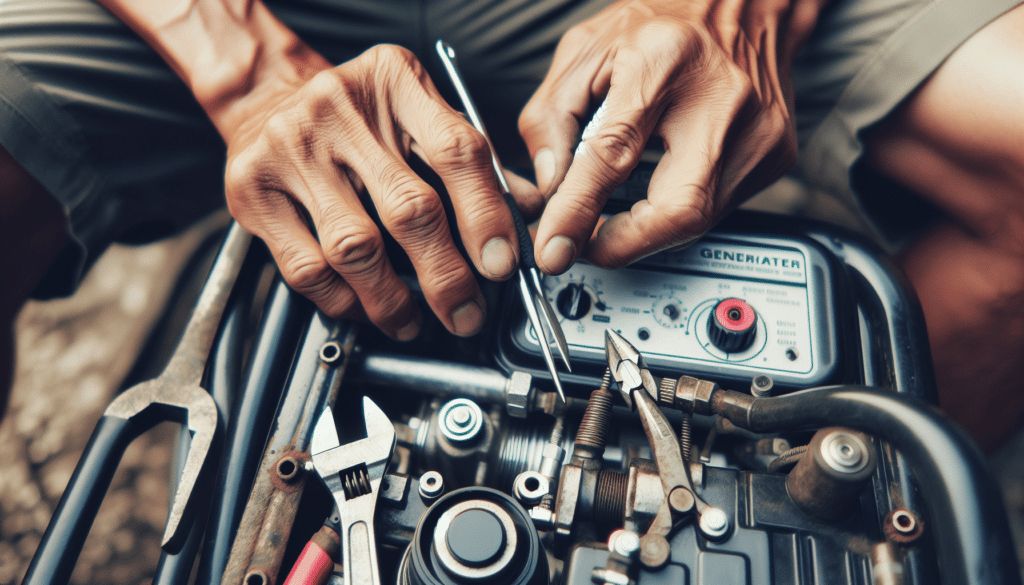
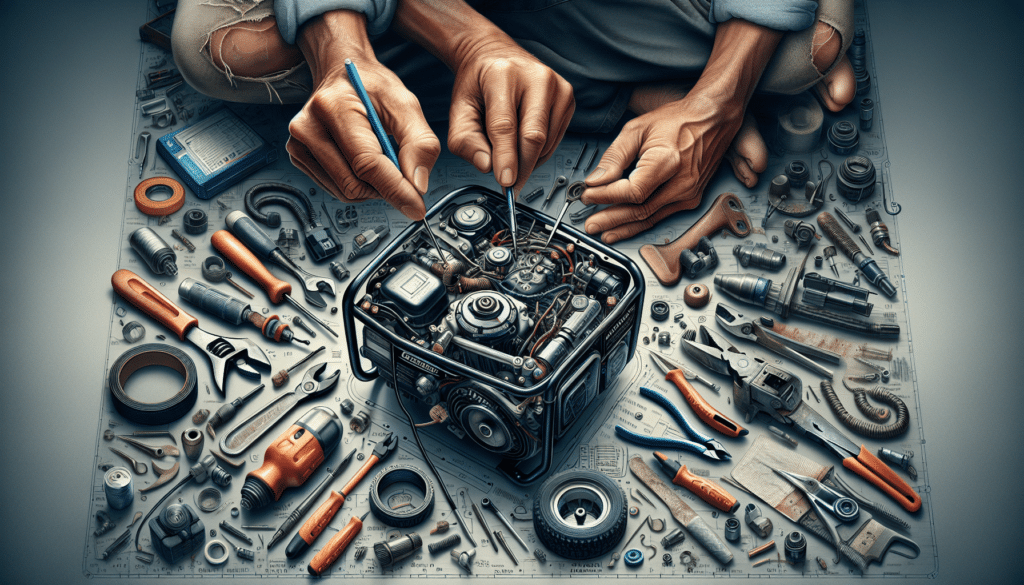
Before you dive into repairing your portable generator, it’s important to have the right tools on hand. Here are some essential tools you’ll need for most generator repair tasks:
| Tool | Description |
|---|---|
| Screwdriver | For removing covers and accessing components |
| Wrench | For tightening or loosening nuts and bolts |
| Spark Plug Wrench | For removing and replacing spark plugs |
| Multimeter | For testing electrical components |
| Wire Brush | For cleaning terminals and connections |
| Fuel Stabilizer | For treating fuel to prevent contamination |
| Replacement Parts | Including spark plugs, air filters, and fuel filters |
Having these tools readily available will make it much easier to diagnose and fix issues with your portable generator.
Troubleshooting and Diagnosis
Now that you have the necessary tools, it’s time to troubleshoot and diagnose the issues with your portable generator. Here are some steps you can follow to identify the problem and determine the best course of action:
Step 1: Check the Fuel Level
One of the most common reasons a portable generator fails to start is due to a low or empty fuel tank. Make sure your generator has enough fuel before attempting to start it. If the fuel level is low, fill up the tank with clean, fresh fuel.
Step 2: Inspect the Spark Plug
The spark plug is a critical component of your generator’s engine. Remove the spark plug using a spark plug wrench and inspect it for signs of damage or wear. If the spark plug is dirty, fouled, or damaged, replace it with a new one to see if that resolves the starting issue.
Step 3: Check the Air Filter
A dirty or clogged air filter can restrict airflow to the engine and lead to starting issues. Remove the air filter cover and inspect the air filter for dirt and debris. If the air filter is dirty, clean or replace it with a new one to ensure proper airflow to the engine.
Step 4: Test the Battery
If your portable generator has an electric start feature, ensure the battery is fully charged and in good condition. Use a multimeter to test the battery’s voltage and replace it if it’s not holding a charge. A weak or dead battery can prevent the generator from starting.
Step 5: Clean the Carburetor
The carburetor is responsible for mixing fuel and air to create a combustible mixture for the engine. If the carburetor is dirty or clogged, it can prevent the engine from starting or running smoothly. Remove the carburetor and clean it with carburetor cleaner to remove any dirt or debris.
Step 6: Check the Oil Level
Low oil levels can cause the engine to malfunction or seize up entirely. Check the oil level in your generator and top it up if it’s low. Ensure you’re using the correct type of oil recommended by the manufacturer for optimal engine performance.

Repair and Maintenance Tips
Preventing issues with your portable generator is key to ensuring it functions reliably when you need it most. Here are some repair and maintenance tips to keep your generator running smoothly:
Regular Oil Changes
Regular oil changes are essential for keeping your generator’s engine running smoothly. Change the oil according to the manufacturer’s recommendations to prevent engine damage and ensure optimal performance.
Clean or Replace Filters
Air and fuel filters play a crucial role in maintaining your generator’s engine performance. Clean or replace these filters regularly to prevent dirt and debris from entering the engine and causing damage.
Check Spark Plugs
Inspect and clean or replace spark plugs as needed to ensure proper ignition and combustion in the engine. Faulty spark plugs can lead to starting issues and poor performance.
Test the Battery
If your generator has an electric start feature, test the battery regularly to ensure it’s holding a charge. Replace the battery if it’s weak or not charging properly to avoid starting issues.
Store Properly
When not in use, store your portable generator in a clean, dry location away from moisture and extreme temperatures. Proper storage can extend the lifespan of your generator and prevent issues in the future.
Use Fuel Stabilizer
To prevent fuel-related issues, add a fuel stabilizer to your generator’s fuel tank when storing it for extended periods. This will help prevent the fuel from breaking down and causing starting or running issues.
Professional Assistance
If you’re not comfortable or confident in repairing your portable generator yourself, it’s always best to seek professional assistance. A qualified technician can diagnose and repair issues with your generator efficiently and effectively, saving you time and frustration.
Finding a Reliable Repair Technician
When looking for a repair technician for your portable generator, be sure to choose a reputable and experienced professional. Ask for recommendations from friends or family, read online reviews, and verify the technician’s credentials before hiring them to work on your generator.
Cost of Professional Repairs
The cost of professional repairs for your portable generator will vary depending on the extent of the damage and the repairs needed. Get multiple quotes from different technicians to compare prices and choose the best option for your budget.
Maintenance Agreements
Some repair technicians offer maintenance agreements that include regular servicing and inspections of your portable generator. These agreements can help prevent issues before they arise and ensure your generator is always in top condition.
Conclusion
Repairing your portable generator doesn’t have to be a daunting task. With the right tools, knowledge, and maintenance, you can keep your generator running smoothly and reliably. By following the troubleshooting steps, repair tips, and seeking professional assistance when needed, you can ensure your generator is always ready to power your home or worksite when you need it most. Stay informed, proactive, and prepared to handle any issues that may arise with your portable generator.