Welcome to the world of PVC gutters installation! In this article, we will explore the benefits of choosing PVC gutters for your home, the step-by-step process of installing them, and tips for maintaining and prolonging the life of your gutters. Whether you’re a seasoned DIY enthusiast or a first-time homeowner looking to upgrade your home’s exterior, PVC gutters offer a durable and cost-effective solution for keeping your home safe and dry. Let’s dive in and get started on your PVC gutters installation journey! Have you been thinking about installing PVC gutters on your home, but aren’t quite sure where to start? Well, you’ve come to the right place! In this guide, we’ll walk you through everything you need to know about PVC gutters and how to install them yourself. By the end of this article, you’ll be equipped with all the knowledge and confidence you need to tackle this project head-on. Let’s get started!

Why Choose PVC Gutters?
If you’re considering installing new gutters on your home, PVC gutters are a popular and cost-effective option to explore. PVC (polyvinyl chloride) is a durable and lightweight material that is resistant to corrosion and rust, making it an ideal choice for gutters. Additionally, PVC gutters are easy to install, low maintenance, and come in a variety of colors to complement your home’s exterior.
PVC Gutters vs. Traditional Gutters
Traditional gutters are typically made of aluminum, copper, or steel, which can be more expensive and prone to rust and corrosion over time. PVC gutters offer a more affordable alternative that is just as effective at channeling rainwater away from your home. PVC is also easier to work with and install, making it a great choice for DIY projects.
Tools and Materials Needed
Before you begin the installation process, it’s important to gather all the necessary tools and materials. Here’s a list of what you’ll need:
| Tools | Materials |
|---|---|
| Measuring tape | PVC gutter sections |
| Ladder | PVC gutter corners |
| Level | PVC gutter end caps |
| Drill | PVC gutter hangers |
| Saw | PVC gutter downspouts |
| Tin snips | PVC gutter brackets |
| Gloves | PVC cement |
| Safety glasses | Fasteners |
| Caulk gun | Sealer |
Tips for Choosing the Right Materials
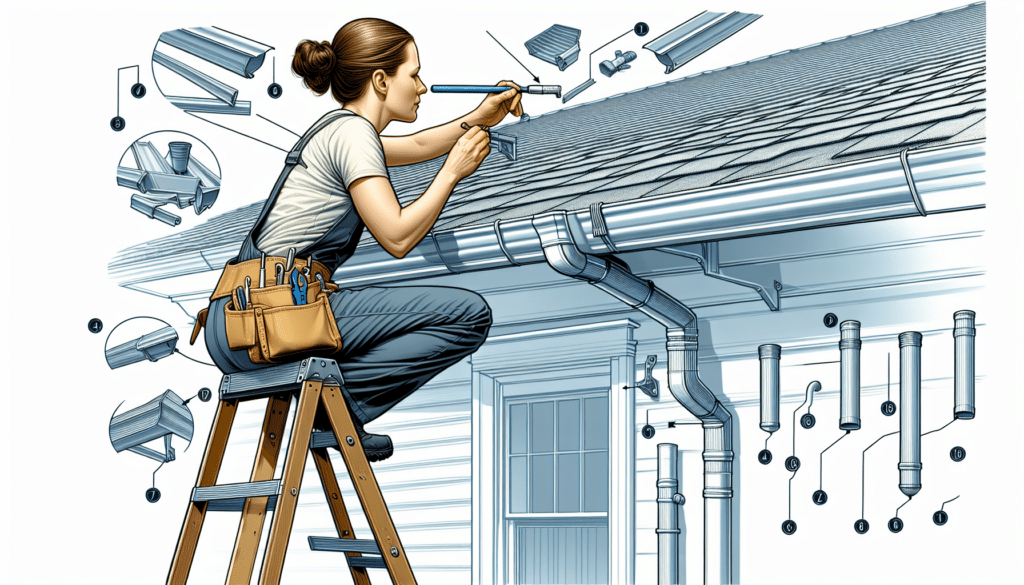
When selecting your PVC gutter materials, be sure to choose high-quality products that are designed to withstand the elements. Look for UV-resistant PVC that won’t fade or crack over time. Additionally, opt for seamless gutters if possible, as they are less likely to leak and require less maintenance.
Measuring and Planning
Before you begin installing your PVC gutters, it’s crucial to measure and plan out the layout of your gutter system. Start by measuring the length of the areas where you will be installing gutters and downspouts. Use a measuring tape and record these measurements carefully to ensure you purchase the correct amount of materials.
Mapping Out Your Gutter System
Next, sketch out a rough diagram of your home and mark where you want the gutters and downspouts to be installed. Be sure to account for any obstacles such as windows, doors, or landscaping features that may impact the placement of your gutters. Consider the slope of your roof and ensure that your gutters will be installed at the proper pitch to allow for water drainage.
Installing PVC Gutters
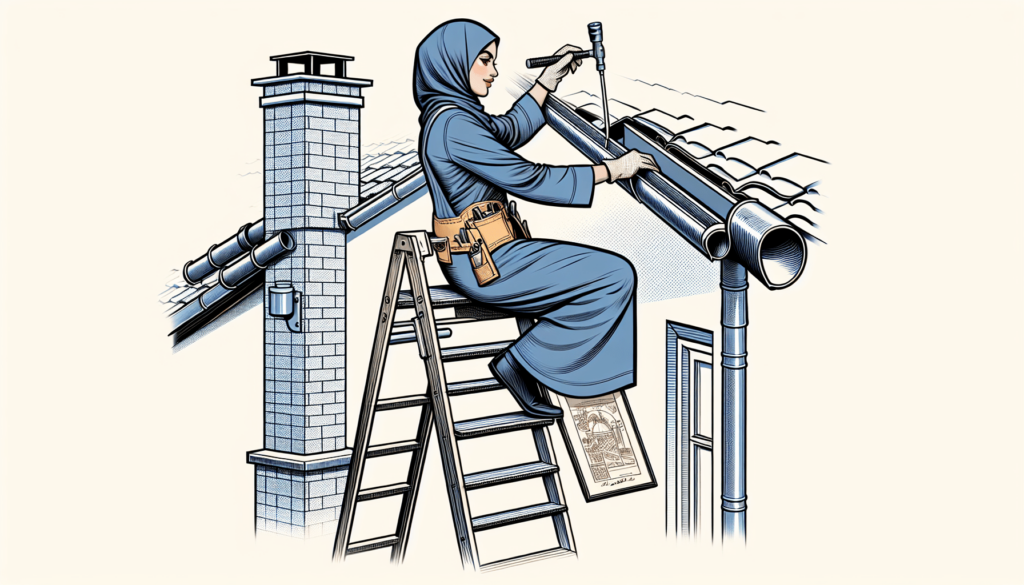
Now that you have your materials and measurements in hand, it’s time to start installing your PVC gutters. Follow these step-by-step instructions to ensure a successful installation:
Step 1: Attach Gutter Hangers
Begin by attaching gutter hangers to the fascia board of your home. Gutter hangers are metal brackets that support the weight of the gutters and keep them securely in place. Use a drill to screw the hangers into the fascia at regular intervals, making sure they are properly spaced to support the weight of the gutters when they are full of water.
Step 2: Install Gutter Sections
Next, attach the PVC gutter sections to the hangers you installed in step one. Make sure the gutters are sloped slightly towards the downspout to allow for proper drainage. Use a level to ensure that the gutters are installed evenly and at the correct pitch. Connect the gutter sections using PVC cement to create a watertight seal.
Step 3: Add Corners and End Caps
If your gutter system includes corners or end caps, install them at this time. Corners are used to change the direction of the gutters around corners of your home, while end caps are placed at the ends of each gutter section to prevent water from flowing out. Use PVC cement to secure corners and end caps in place.
Step 4: Attach Downspouts and Brackets
Attach PVC gutter downspouts to the outlets on your gutters and secure them with brackets. Downspouts should direct water away from your home’s foundation and onto the ground or a drainage system. Use a level to ensure that the downspouts are installed vertically and at the correct angle for optimal water flow.
Step 5: Seal and Secure
Finally, go back and check all of your connections to ensure they are secure and watertight. Use PVC cement, fasteners, and caulk as needed to seal any gaps or leaks. Add a bead of sealer around all seams and connections to further protect against water damage.

Maintenance and Care
Congratulations on successfully installing your PVC gutters! Now that your gutter system is in place, it’s important to keep up with regular maintenance to ensure it remains in top condition. Here are some tips for caring for your PVC gutters:
- Clean gutters regularly: Remove debris such as leaves, twigs, and dirt from your gutters to prevent clogs and water overflow.
- Inspect for damage: Check your gutters and downspouts regularly for signs of damage such as leaks, rust, or sagging.
- Repair as needed: If you notice any issues with your gutters, address them promptly to prevent further damage to your home.
- Consider gutter guards: Installing gutter guards can help keep debris out of your gutters and reduce the frequency of cleaning.
By following these maintenance tips, you can prolong the life of your PVC gutters and ensure they continue to function properly for years to come.

Conclusion
In conclusion, installing PVC gutters on your home is a manageable DIY project that can help protect your home from water damage and enhance its curb appeal. By choosing PVC gutters, you are investing in a durable, low-maintenance solution that will serve you well for years to come. With the right tools, materials, and a bit of know-how, you can successfully install PVC gutters yourself and enjoy the benefits of a well-functioning gutter system. We hope this guide has been helpful in preparing you for your PVC gutter installation project. Good luck, and happy guttering!