Welcome to the world of radon gas-testing! In this article, you will learn about the importance of testing for radon gas in your home and how it can impact your health. Discover the simple steps you can take to ensure your space is safe and healthy for you and your loved ones. Don’t wait any longer to protect yourself from this unseen danger – let’s get started on testing for radon gas today! Have you ever wondered about the levels of radon gas in your home? Well, wonder no more! Radon gas is a colorless, odorless, tasteless radioactive gas that can seep into homes through the ground. Testing your home for radon gas is essential to ensure the safety of you and your family. In this article, we will discuss everything you need to know about radon gas-testing in a friendly and informative manner.
What is Radon Gas?
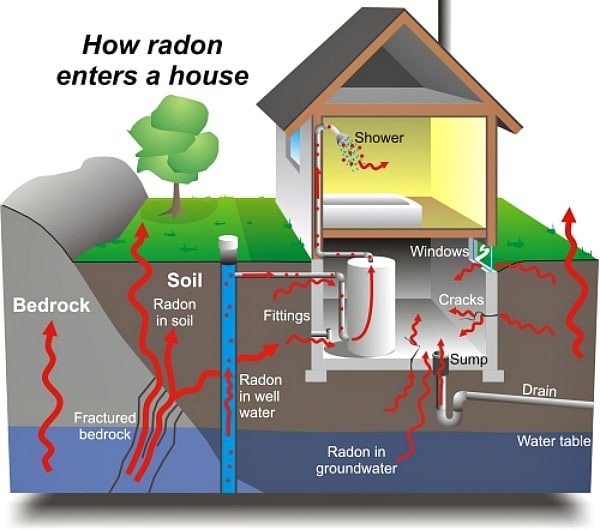
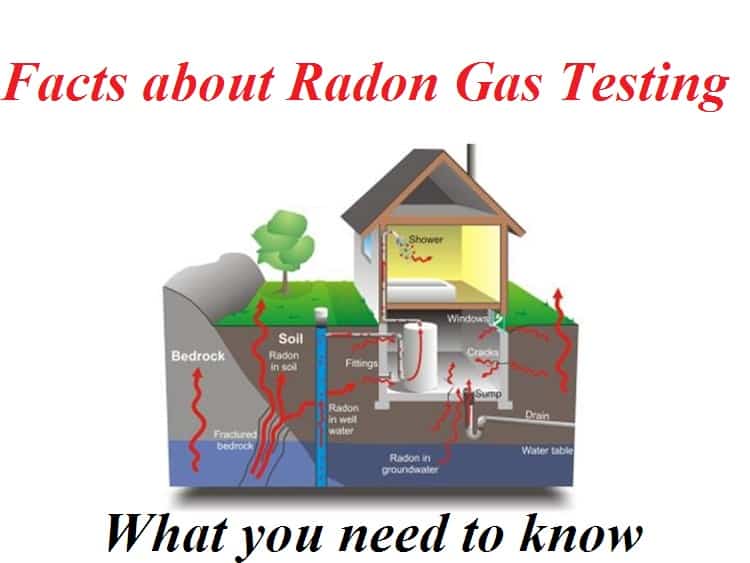
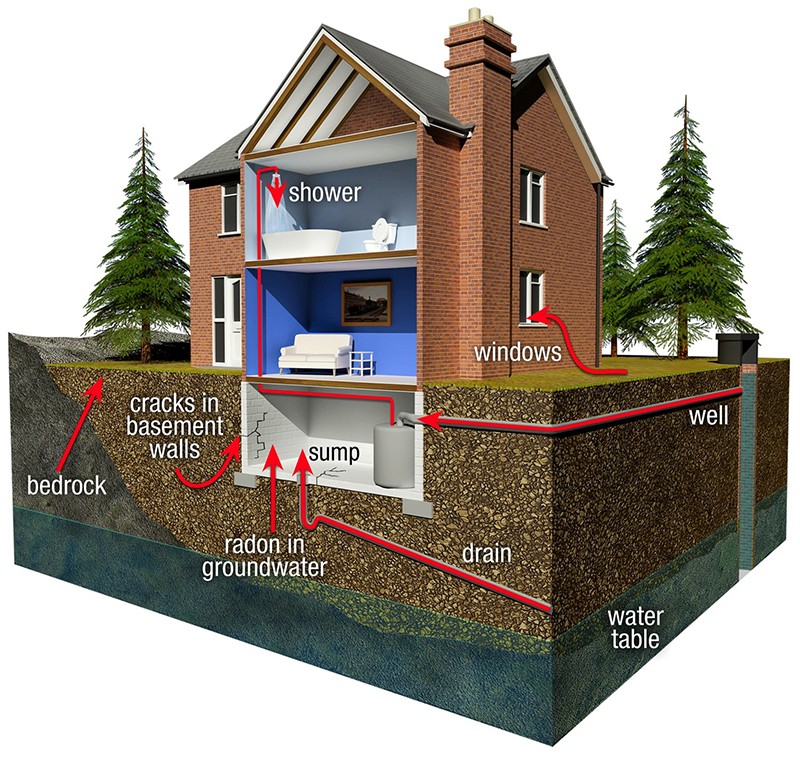
Radon gas is a naturally occurring radioactive gas that is produced by the decay of uranium in the soil. It can enter homes through cracks in the foundation, gaps in the walls, and openings around pipes and drains. Radon gas is a known carcinogen and is the second leading cause of lung cancer in the United States.
Radon gas is invisible and odorless, making it impossible to detect without the use of specialized testing equipment. The only way to know if your home has high levels of radon gas is to conduct a radon gas test.
Why Should You Test for Radon Gas?
Testing your home for radon gas is crucial for the health and safety of you and your family. High levels of radon gas can increase the risk of lung cancer, especially for smokers. By testing your home for radon gas, you can identify if there are elevated levels present and take steps to mitigate the risk.
It is estimated that one in fifteen homes in the United States has elevated levels of radon gas. Even if your neighbors do not have high levels of radon gas, your home may still be at risk. The only way to know for sure is to test for radon gas.
How to Test for Radon Gas
There are two main ways to test for radon gas in your home: short-term tests and long-term tests.
Short-Term Tests
Short-term tests are usually conducted over a period of two to seven days. These tests provide a quick snapshot of radon levels in your home and are a good starting point for homeowners. Short-term tests are relatively inexpensive and easy to conduct.
One of the most common short-term tests is the charcoal canister test. This test involves placing a small charcoal canister in the lowest livable level of your home for a specified period of time. The canister absorbs radon gas, which is then sent to a laboratory for analysis.
Long-Term Tests
Long-term tests are conducted over a period of three months to one year. These tests provide a more comprehensive picture of radon levels in your home and are recommended for homeowners who want a more accurate assessment. Long-term tests are more expensive than short-term tests but are still relatively easy to conduct.
One popular long-term test is the alpha track detector test. This test involves placing a small plastic container with a piece of special film in the lowest livable level of your home for an extended period of time. The film records the alpha particles emitted by radon gas over time, which is then analyzed in a laboratory.
Interpreting Radon Gas Test Results
After conducting a radon gas test, you will receive a report detailing the radon levels in your home. Radon levels are measured in picocuries per liter (pCi/L). The Environmental Protection Agency (EPA) has established guidelines for radon gas levels in homes:
- 0-1.9 pCi/L: Low risk
- 2-3.9 pCi/L: Moderate risk
- 4.0 pCi/L and above: High risk
If your radon gas test results indicate levels at or above 4.0 pCi/L, it is recommended that you take action to reduce radon levels in your home.
What to Do if You Have High Radon Gas Levels
If your radon gas test results indicate high levels of radon in your home, there are several steps you can take to mitigate the risk:
Radon Mitigation Systems
Radon mitigation systems are designed to reduce radon gas levels in a home to safe levels. These systems typically involve the installation of a vent pipe and fan in the basement or crawl space of a home to draw radon gas out and release it into the outdoor air.
Sealing Cracks and Openings
Sealing cracks in the foundation, gaps in the walls, and openings around pipes and drains can help prevent radon gas from entering your home. By sealing these entry points, you can reduce the amount of radon gas that seeps into your living space.
Ventilation
Improving ventilation in your home can help reduce radon gas levels. Opening windows and using fans to circulate air can help dilute radon gas and improve indoor air quality.
How Often Should You Test for Radon Gas?
It is recommended that homeowners test for radon gas every two years, especially if they have never tested before or if there have been changes to the home. Changes that can affect radon gas levels include renovations, additions, and changes to the foundation.
Additionally, if you have mitigated high radon gas levels in your home, it is important to retest to ensure that the mitigation system is working effectively. Retesting every one to two years is recommended to ensure the continued safety of you and your family.
Conclusion
Testing your home for radon gas is essential for the health and safety of you and your family. Radon gas is a silent killer, and the only way to know if your home has high levels is to conduct a radon gas test. By following the guidelines outlined in this article, you can ensure that your home is free from elevated levels of radon gas and protect yourself and your loved ones from the risks associated with exposure. Stay safe and test your home for radon gas today!