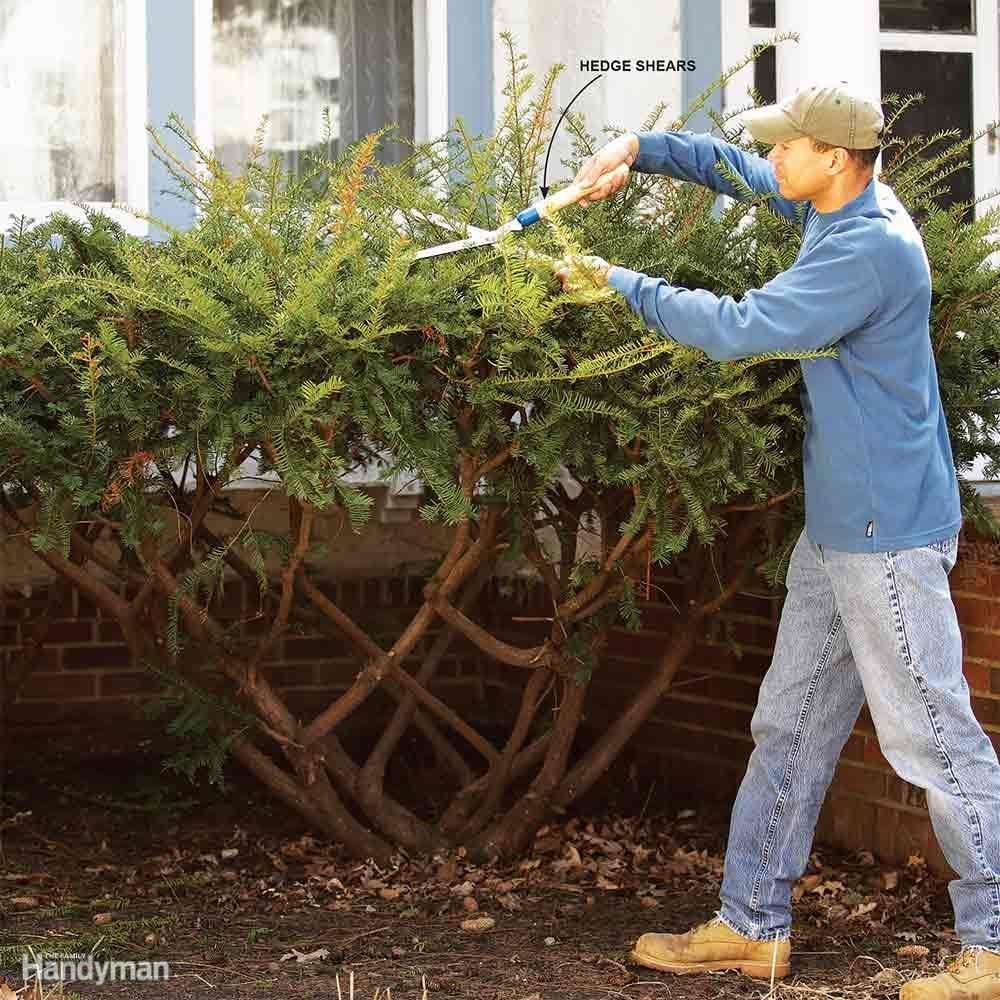
Welcome to our article on the age-old dilemma of whether to trim or remove shrubs in your yard! As you navigate through your garden, you may find yourself faced with conflicting thoughts on how to best care for your shrubs. Should you opt for regular trimming to maintain their shape and keep them healthy, or is it time to bid farewell and remove them altogether? This article will explore the benefits of both options, helping you make an informed decision on the best course of action for your greenery. Have you been debating whether to trim or remove the shrubs in your yard? Let’s explore the options together and figure out the best course of action for your landscaping needs.
Benefits of Keeping Shrubs
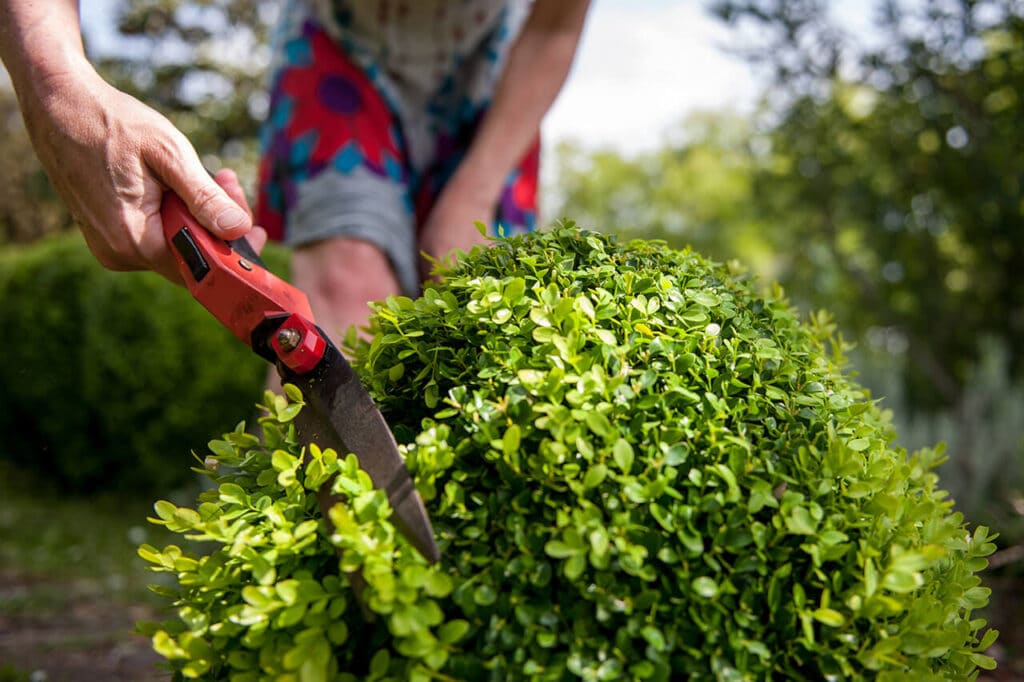
Keeping shrubs in your yard can provide many benefits. They add beauty and curb appeal to your home, create privacy, and can even act as a natural barrier or windbreak. Shrubs also provide a habitat for birds and other wildlife, contributing to the biodiversity of your yard.
Curb Appeal and Aesthetics
Shrubs can enhance the overall look of your home by adding color, texture, and dimension to your landscaping. They can make your yard appear more polished and well-maintained, increasing the curb appeal of your property.
Privacy and Security
Tall and dense shrubs can act as a natural barrier, providing privacy and security for your home. They can block the view from the street or neighboring properties, creating a sense of seclusion in your outdoor space.
Wildlife Habitat
Shrubs provide shelter and nesting opportunities for birds, insects, and small animals. By keeping shrubs in your yard, you are contributing to the local ecosystem and supporting biodiversity.
Signs It’s Time to Trim Your Shrubs
If your shrubs are looking overgrown, unruly, or unhealthy, it may be time to trim them. Trimming your shrubs regularly can help maintain their shape, promote healthy growth, and prevent overgrowth. Here are some signs that indicate it’s time to trim your shrubs:
Overgrown or Misshapen Appearance
If your shrubs have lost their defined shape and are starting to look messy or unkempt, it’s a clear sign that they need a trim. Trimming the overgrown branches can help restore the shape and structure of your shrubs.
Dead or Diseased Branches
Dead or diseased branches on your shrubs can negatively impact their overall health and appearance. Trimming these branches can prevent the spread of disease and encourage new growth.
Blocking Light or Air Circulation
Shrubs that are blocking light or air circulation in your yard may need to be trimmed. Removing excess foliage can improve sunlight exposure and airflow, promoting healthy growth and preventing disease.
How to Trim Your Shrubs
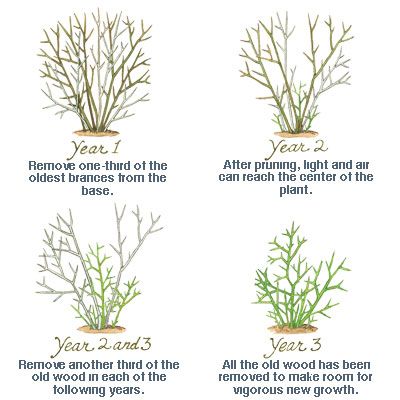
Trimming your shrubs is a simple task that can have a big impact on the health and appearance of your landscaping. Here’s a step-by-step guide on how to trim your shrubs effectively:
Step 1: Assess the Shrubs
Before you start trimming, take a close look at your shrubs and identify any dead, diseased, or overgrown branches that need to be removed. Make a plan for how you want to shape and trim your shrubs.
Step 2: Gather the Right Tools
Make sure you have the right tools for the job, including sharp bypass pruners, hedge shears, and loppers. Clean and sharpen your tools before you start trimming to ensure clean cuts and prevent damage to the shrubs.
Step 3: Start Trimming
Begin by trimming any dead or diseased branches first, making clean cuts close to the main stem or branch. Then, move on to shaping the shrubs by trimming the overgrown branches to achieve the desired shape and size.
Step 4: Step Back and Evaluate
Step back periodically to evaluate your progress and make sure you’re achieving the desired shape and balance. Make any necessary adjustments as you go along.
Step 5: Clean Up
Once you’re finished trimming, clean up the trimmings and dispose of them properly. You can compost the organic material or dispose of it in your yard waste bin.
Reasons to Remove Shrubs
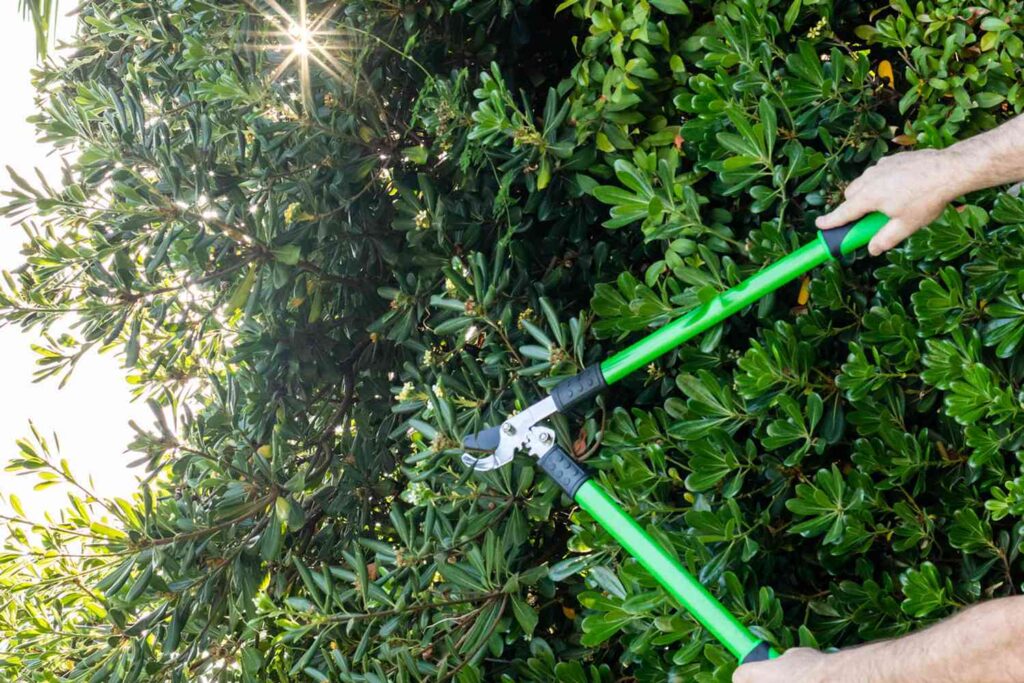
While there are many benefits to keeping shrubs, there are also some valid reasons to consider removing them from your yard. If your shrubs are diseased, overgrown, or simply no longer serving their purpose, it may be time to remove them.
Diseased Shrubs
Shrubs that are diseased or infested with pests can be difficult to treat and may pose a risk to other plants in your yard. In some cases, it may be best to remove the diseased shrubs entirely to prevent the spread of disease.
Overgrown Shrubs
Shrubs that have become severely overgrown can be challenging to maintain and trim effectively. Removing these shrubs and replacing them with smaller, more manageable plants may be a better option for your landscaping.
Non-native or Invasive Species
If the shrubs in your yard are non-native or invasive species, they may be outcompeting native plants and disrupting the local ecosystem. Removing these shrubs can help restore balance and promote biodiversity.

How to Remove Shrubs
Removing shrubs from your yard requires a bit more effort than trimming but can be a relatively straightforward process. Here’s how you can remove shrubs from your landscaping:
Step 1: Assess the Shrubs
Before you start removing the shrubs, identify the species and size of the shrubs you want to remove. Consider whether you want to replant or replace the shrubs with new plants.
Step 2: Gather the Right Tools
To remove shrubs, you’ll need tools like a shovel, pruning saw, and a pair of loppers. Make sure your tools are sharp and in good condition before you start digging.
Step 3: Dig Around the Shrub
Start by digging around the base of the shrub to expose the roots. Use a sharp shovel to cut through the roots and loosen the shrub from the soil. Continue digging until you can pull the shrub out of the ground.
Step 4: Remove the Shrub
Once the shrub is loose, carefully pull it out of the ground, making sure to remove as much of the root system as possible. Dispose of the shrub and roots properly, either by composting or disposing of them in yard waste.
Step 5: Fill in the Hole
After removing the shrub, fill in the hole with soil and pat it down to level the ground. Consider planting new shrubs or flowers in its place to enhance your landscaping.
Remember, whether you decide to trim or remove your shrubs, it’s essential to consider the long-term health and aesthetics of your landscaping. Choose the option that best suits your needs and preferences, and don’t hesitate to seek professional help if you’re unsure how to proceed. Happy gardening!