Hey there! Looking to make the switch to solar panels for your home’s electric system? In this article, we’ll discuss the benefits of installing solar panels, the process of setting them up, and how they can save you money in the long run. Get ready to harness the power of the sun and reduce your carbon footprint with solar panels for your electric system installation. Let’s dive in! Are you considering installing solar panels for your electric system? Here’s everything you need to know to make an informed decision!
Benefits of Solar Energy
Solar energy is a renewable and sustainable source of power that can significantly reduce your electricity bills. By harnessing the power of the sun, you can help reduce your carbon footprint and contribute to a cleaner environment. Plus, many governments offer incentives and rebates for installing solar panels, making it a cost-effective option in the long run.
Save Money on Your Electricity Bills
Did you know that by installing solar panels, you can generate your own electricity and reduce your reliance on the grid? This means lower electricity bills every month, saving you money in the long term. Say goodbye to unpredictable price hikes and enjoy consistent energy costs.
Environmentally Friendly Option
Choosing solar power helps to reduce greenhouse gas emissions and combat climate change. By generating clean electricity from sunlight, you are contributing to a greener and more sustainable future for generations to come. Make a positive impact on the environment while saving money on your energy bills.
Understanding Your Electric System
Before you install solar panels, it’s essential to understand how your electric system works. Solar panels produce Direct Current (DC) electricity, while most homes are wired for Alternating Current (AC) electricity. This means you’ll need an inverter to convert the DC power from the solar panels into AC power that can be used in your home.
DC vs. AC Electricity
DC electricity flows in a single direction, from the solar panels to the inverter. In contrast, AC electricity reverses direction multiple times per second, making it the standard form of electricity used in homes and businesses. Understanding the difference between DC and AC power is crucial for a successful solar panel installation.
The Role of an Inverter
An inverter is a crucial component of a solar panel system that converts the DC electricity generated by the panels into AC electricity that can be used to power your home. There are three main types of inverters: string inverters, microinverters, and power optimizers. Each type has its advantages and considerations, so it’s essential to choose the right one for your specific needs.
Solar Panel Installation Process
Installing solar panels for your electric system may seem like a complex process, but with the right information and guidance, it can be a straightforward and rewarding experience. Here’s an overview of the solar panel installation process to help you understand what to expect.
Site Assessment
Before installing solar panels, a solar installer will conduct a site assessment to evaluate your property’s suitability for solar energy generation. Factors such as the roof’s orientation, shading from trees or buildings, and the available space for solar panels will be taken into consideration to determine the best location for the panels.
Design and Permitting
Once the site assessment is complete, the solar installer will design a custom solar panel system for your home. This design will take into account your energy needs, roof size, and sun exposure to maximize the efficiency of the system. The installer will also handle the necessary permitting and paperwork to ensure that your solar panel installation complies with local regulations.
Installation and Wiring
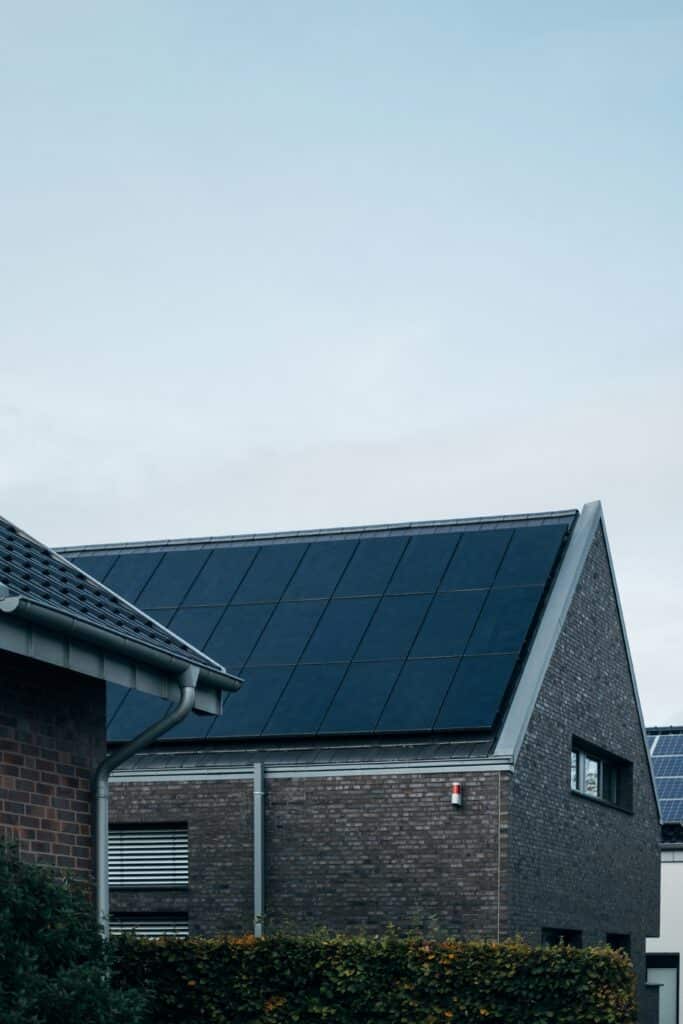
The next step in the solar panel installation process is mounting the panels on your roof and connecting them to the inverter. The panels will be securely fixed to the roof using mounting brackets, and the wiring will be carefully connected to ensure the efficient flow of electricity. Your solar installer will ensure that the panels are properly positioned to maximize sunlight exposure and energy production.
Connection to the Grid
After the panels are installed and wired, your solar system will need to be connected to the grid through a process called interconnection. This allows any excess electricity generated by your solar panels to be sent back to the grid, reducing your energy bills further through net metering. Your solar installer will handle the necessary paperwork and coordination with your utility company to ensure a seamless connection.
Monitoring and Maintenance
Once your solar panels are installed and connected, it’s essential to monitor their performance regularly to ensure optimal efficiency. Many solar panel systems come with monitoring software that allows you to track how much electricity your panels are generating and how much you are consuming. Routine maintenance, such as cleaning the panels and checking for any issues, will help prolong the lifespan of your solar system.
Choosing the Right Solar Panels
When it comes to selecting solar panels for your electric system, there are several factors to consider to ensure you get the most out of your investment. Here are some key considerations to keep in mind when choosing solar panels for your home.
Types of Solar Panels
There are three main types of solar panels commonly used for residential installations: monocrystalline, polycrystalline, and thin-film. Each type has its advantages and considerations in terms of efficiency, cost, and aesthetics. Understanding the differences between these types will help you make an informed decision about which panels are best for your needs.
Efficiency and Performance
Solar panel efficiency refers to how well a panel can convert sunlight into electricity. Higher efficiency panels produce more electricity per square foot, making them ideal for homes with limited roof space. Consider the efficiency ratings of different panels and choose ones that offer a good balance of performance and cost for your specific energy needs.
Warranty and Durability
When investing in solar panels, it’s essential to consider the warranty and durability of the panels. Look for panels with a solid warranty that covers manufacturing defects and guarantees performance over time. Additionally, choose panels that are durable and weather-resistant to withstand the elements and provide long-lasting energy generation for your home.
Aesthetics and Design
The aesthetics of solar panels are an important consideration for many homeowners, especially those concerned with the visual impact on their property. Solar panels come in a range of sizes, colors, and designs, allowing you to choose a style that complements your home’s architecture and blends seamlessly into your roof. Consider the appearance of the panels when making your selection to ensure a visually pleasing installation.
Financing Your Solar Panel Installation
Installing solar panels for your electric system is a significant investment, but there are several financing options available to make it more affordable. From loans and leases to rebates and incentives, there are ways to reduce the upfront cost and enjoy the long-term benefits of solar energy.
Solar Loans
Solar loans are a popular financing option that allows homeowners to borrow money to cover the cost of installing solar panels. With solar loans, you can enjoy the benefits of solar energy while making fixed monthly payments over time. Many lenders offer competitive interest rates and flexible terms to make solar financing accessible for homeowners.
Solar Leases and Power Purchase Agreements (PPAs)
Solar leases and Power Purchase Agreements (PPAs) are alternative financing options that allow you to lease solar panels or purchase the electricity generated by the panels without owning the system. With a solar lease, you pay a fixed monthly fee to use the panels, while a PPA involves purchasing the electricity generated by the panels at a predetermined rate. These options provide a low-cost way to benefit from solar energy without the upfront expenses.
Incentives and Rebates
Many governments and utility companies offer incentives and rebates to encourage homeowners to install solar panels. These incentives can include tax credits, cash rebates, and performance-based incentives that help offset the cost of installing solar panels. Check with your local government and utility providers to see what incentives are available in your area and take advantage of these savings opportunities.
Return on Investment
While the upfront cost of installing solar panels may seem daunting, it’s essential to consider the long-term savings and return on investment that solar energy provides. By generating your own electricity and reducing your reliance on the grid, you can save money on your energy bills and recoup the initial investment over time. Calculate the potential savings and ROI of installing solar panels to make an informed decision about financing your solar installation.
Conclusion
Installing solar panels for your electric system is a smart and sustainable choice that offers a range of benefits for your home and the environment. From saving money on your electricity bills to reducing your carbon footprint, solar energy provides a clean and renewable source of power that can power your home for years to come. By understanding the installation process, choosing the right panels, and exploring financing options, you can make the switch to solar energy with confidence and enjoy the many advantages it offers. Make the switch to solar power today and start saving money while making a positive impact on the planet!