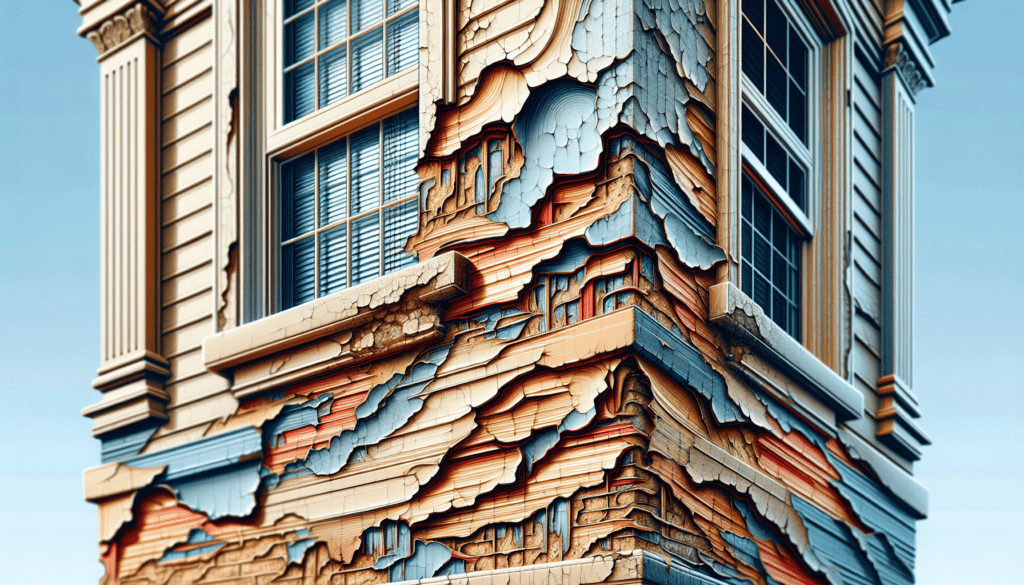
Welcome to a helpful guide on deciding whether to repair or partially replace your synthetic stucco siding. It’s important to assess the condition of your siding to determine the best course of action for maintaining the beauty and integrity of your home. By understanding the signs of damage and weighing the pros and cons of repair versus replacement, you can make an informed decision that will enhance the curb appeal and longevity of your property. Have you noticed cracks or water damage on your synthetic stucco siding? It can be concerning to see damage on your home’s exterior, but don’t worry, there are solutions available to repair or replace the siding. In this article, we will discuss whether it’s better to repair synthetic stucco siding or partially replace it. We will break down the different options available to help you make an informed decision and restore the beauty of your home’s exterior.
Synthetic Stucco Siding: Understanding the Basics

What is Synthetic Stucco Siding?
Before we delve into whether you should repair or partially replace synthetic stucco siding, let’s first understand what it is. Synthetic stucco, also known as Exterior Insulation and Finish System (EIFS), is a popular choice for home exteriors due to its versatility and durability. It consists of a foam insulation board attached to your home’s exterior, followed by a base coat, mesh, and finish coat. This creates a seamless, stucco-like appearance that can be customized to suit your aesthetic preferences.
Pros and Cons of Synthetic Stucco Siding
Like any building material, synthetic stucco siding has its own set of advantages and disadvantages. Understanding these can help you make an informed decision on whether to repair or partially replace your siding.
Pros:
- Energy Efficient: Synthetic stucco provides insulation, which can help reduce energy bills.
- Customizable: Comes in a variety of colors and textures to suit your home’s aesthetic.
- Durable: Resistant to impact, weather, and fire damage.
Cons:
- Moisture Issues: Improper installation can lead to moisture getting trapped behind the siding, causing damage.
- Repair Challenges: Repairs can be difficult and costly due to the intricate nature of synthetic stucco.
- Cost: Installation and repairs can be more expensive compared to traditional siding options.
Repairing Synthetic Stucco Siding
When to Consider Repairing Synthetic Stucco Siding
If you notice minor cracks, chips, or stains on your synthetic stucco siding, you may be able to repair the damage instead of opting for a full replacement. Repairing damaged areas can help extend the lifespan of your siding and prevent further issues down the line.
How to Repair Synthetic Stucco Siding
Repairing synthetic stucco siding typically involves the following steps:
- Clean the damaged area: Remove any dirt or debris from the damaged area using a brush or gentle pressure washer.
- Fill cracks and chips: Use a synthetic stucco repair kit to fill in cracks and chips. Follow the manufacturer’s instructions carefully for best results.
- Apply new finish coat: Once the repairs have dried, apply a new finish coat to blend the repaired area with the rest of the siding.

Cost of Repairing Synthetic Stucco Siding
The cost of repairing synthetic stucco siding can vary depending on the extent of the damage and the size of the repair area. On average, you can expect to pay between $500 to $1,500 for minor repairs. Hiring a professional contractor can ensure that the repairs are done correctly and help maintain the integrity of your siding.
Partially Replacing Synthetic Stucco Siding
When to Consider Partially Replacing Synthetic Stucco Siding
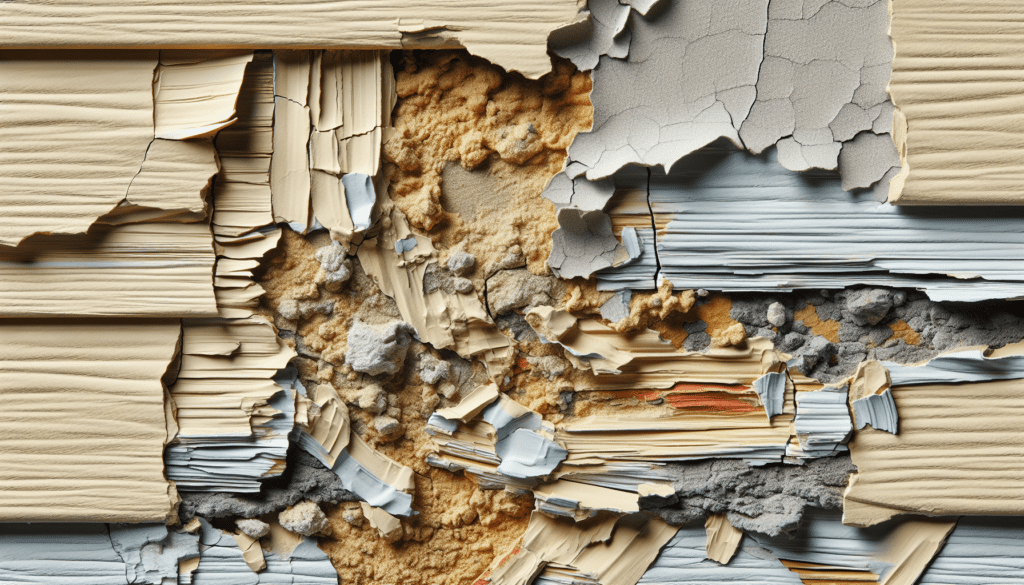
In some cases, the damage to your synthetic stucco siding may be extensive, making repairs impractical or ineffective. If you notice widespread water damage, mold growth, or major structural issues, it may be time to consider partially replacing your siding. By addressing the underlying issues and replacing damaged sections, you can prevent further damage and restore the appearance of your home’s exterior.
How to Partially Replace Synthetic Stucco Siding
Partial replacement of synthetic stucco siding typically involves the following steps:
- Assess the damage: Identify the areas of your siding that are beyond repair and need replacement.
- Remove damaged sections: Carefully remove the damaged sections of siding, taking care not to damage the surrounding areas.
- Install new insulation and siding: Install new insulation board, base coat, mesh, and finish coat in the areas where the siding was removed.
- Blend with existing siding: To ensure a seamless appearance, match the new siding with the existing finish coat in terms of color and texture.
Cost of Partially Replacing Synthetic Stucco Siding
Partial replacement of synthetic stucco siding can be more costly compared to repairs, as it involves removing and reinstalling sections of the siding. On average, you can expect to pay between $1,000 to $5,000 for partial replacement, depending on the size of the damaged area and the extent of the work required. Hiring a professional contractor is recommended to ensure that the replacement is done correctly and the integrity of your home’s exterior is maintained.
Making the Decision: Repair or Partially Replace?
Factors to Consider
When deciding whether to repair or partially replace your synthetic stucco siding, consider the following factors:
- Extent of Damage: Assess the extent of the damage to your siding to determine whether repairs are sufficient or if partial replacement is necessary.
- Budget: Consider your budget and how much you are willing to invest in repairing or replacing your siding.
- Long-Term Impact: Think about the long-term impact of your decision on the appearance and integrity of your home’s exterior.
Consult a Professional
If you’re unsure about whether to repair or partially replace your synthetic stucco siding, it’s best to consult a professional contractor. They can assess the damage, provide recommendations, and offer solutions tailored to your specific needs. By seeking expert advice, you can make an informed decision that will help preserve the beauty and functionality of your home’s exterior.
Conclusion
In conclusion, whether you should repair or partially replace your synthetic stucco siding depends on the extent of the damage, your budget, and long-term goals for your home’s exterior. Minor cracks and chips can often be repaired, while major structural issues may require partial replacement. By understanding the pros and cons of synthetic stucco siding and considering the factors mentioned above, you can make a decision that suits your needs and helps maintain the beauty and integrity of your home. Remember to consult a professional contractor for expert advice and guidance throughout the repair or replacement process.