Are you looking to restore water damage in your home?
Water damage can be a stressful and overwhelming experience, but fear not! In this article, we will walk you through the process of water restoration, helping you understand what it entails and how you can effectively restore your home to its former state.
Understanding Water Damage
Water damage can occur in various ways, such as burst pipes, leaking roofs, or flooding. It is essential to understand the different categories of water damage to assess the severity of the situation accurately.
Categories of Water Damage
Water damage is typically categorized into three levels:
-
Category 1: Clean Water – This type of water damage poses no immediate health risks. It usually comes from a clean water source, such as a broken pipe or overflowing sink.
-
Category 2: Grey Water – This water may contain contaminants that can cause discomfort or illness if ingested. Examples include water from appliances like washing machines or dishwashers.
-
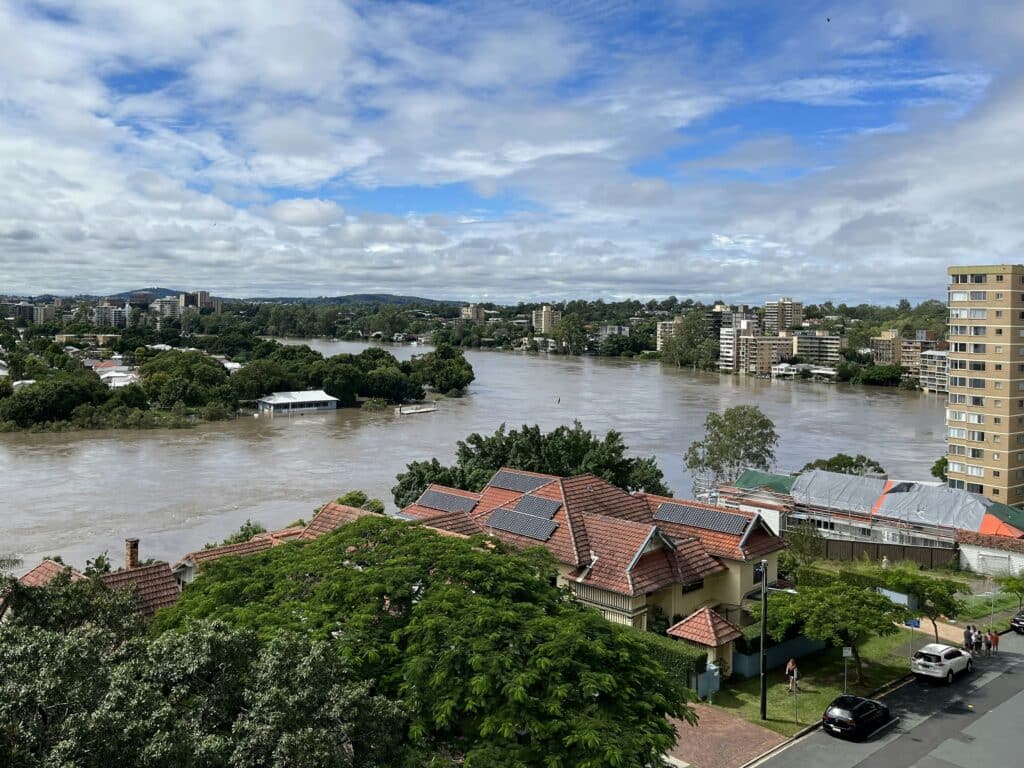
Category 3: Black Water – This is highly unsanitary water that can cause severe illness or even death if ingested. It includes sewage backups, flooding from rivers or seawater, and water from hurricanes or storms.
Understanding the category of water damage is crucial as it determines the necessary precautions and methods for restoration.
The Water Restoration Process
The water restoration process involves several steps to ensure that your home is thoroughly dried and sanitized. Let’s take a closer look at each stage of the restoration process.
1. Inspection and Assessment
The first step in water restoration is inspecting the extent of the damage and assessing the category of water damage. Professionals will use moisture meters and other tools to determine the affected areas and create a restoration plan.
2. Water Extraction
Once the assessment is complete, the next step is water extraction. This involves removing standing water from your home using pumps and vacuums. The goal is to extract as much water as possible to prevent further damage and mold growth.
3. Drying and Dehumidification
After water extraction, the drying and dehumidification process begins. Industrial-grade dehumidifiers and air movers are used to remove moisture from the air and surfaces. This step is crucial in preventing mold growth and ensuring thorough drying.
4. Cleaning and Sanitizing
Once the area is thoroughly dry, the cleaning and sanitizing process begins. This involves disinfecting surfaces, removing any contaminants, and restoring the affected areas to their pre-damage condition. Professional equipment and cleaning products are used to ensure a safe and sanitary environment.
5. Restoration and Repairs
The final step in the water restoration process is restoration and repairs. This may include repairing damaged walls, floors, or ceilings, replacing drywall, or restoring damaged belongings. The goal is to bring your home back to its original condition before the water damage occurred.
DIY vs. Professional Water Restoration
When faced with water damage in your home, you may be tempted to tackle the restoration process yourself. While some minor water damage incidents can be managed independently, more severe cases require professional expertise.
DIY Water Restoration
If the water damage is minimal, such as a small leak or spill, you may be able to handle the cleanup yourself. Be sure to wear protective gear, such as gloves and masks, and use proper ventilation to prevent mold growth.
Professional Water Restoration
For significant water damage incidents, such as flooding or sewage backups, it is best to hire a professional water restoration company. Professionals have the expertise, equipment, and training to handle water damage effectively and ensure thorough restoration.
Preventing Water Damage in the Future
Prevention is key when it comes to water damage. By taking proactive measures, you can reduce the risk of water damage in your home and avoid the costly restoration process.
Tips for Preventing Water Damage
- Regularly inspect and maintain your plumbing system, including pipes, faucets, and appliances.
- Ensure proper drainage around your home by maintaining gutters and downspouts.
- Install a sump pump in your basement to prevent flooding during heavy rains.
- Keep an eye on your water bill for any sudden increases, which may indicate a leak.
- Insulate pipes in cold weather to prevent freezing and bursting.
By following these tips and staying proactive, you can minimize the risk of water damage and protect your home from potential disasters.

Conclusion
Water damage can be a challenging and stressful experience, but with the right knowledge and resources, you can effectively restore your home to its former state. By understanding the categories of water damage, the restoration process, and prevention tips, you can be better prepared to handle any water damage incidents that may arise. Remember, when in doubt, always seek professional help to ensure a thorough and successful water restoration.