Is Your Wood Fence in Need of Repair?
If you have a wood fence surrounding your property, you may have noticed signs of wear and damage over time. Whether it’s due to weather exposure, rot, termites, or simply aging, wooden fences can require periodic repair to ensure they remain sturdy and visually appealing. In this article, we will walk you through the process of assessing and repairing common issues that can arise with wood fences. Let’s dive in and learn how to keep your wood fence in top condition!
Assessing the Damage
Inspect your wood fence closely to identify any areas that may need repair. Look for signs of rot, water damage, insect infestation, loose boards, leaning posts, or missing hardware. By taking the time to assess the damage thoroughly, you can determine the best course of action for restoring your fence to its former glory.
Rot and Water Damage
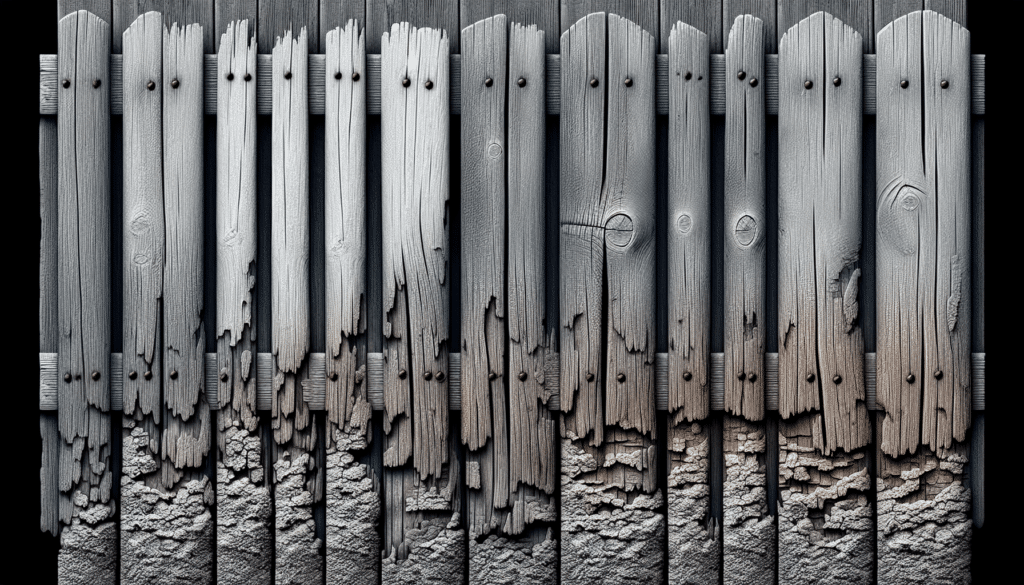
One of the most common issues with wood fences is rot and water damage. These problems can weaken the structural integrity of your fence and compromise its overall appearance. If you notice rotting or water-damaged wood, it’s essential to replace the affected boards or posts promptly. Use a screwdriver to test the wood for softness, a telltale sign of rot.
Repairing Rot and Water Damage
To repair rot and water damage, start by removing the affected boards or posts. Use a pry bar to pry out any nails or screws holding them in place. Once the damaged wood is removed, assess the underlying cause of the issue. Poor drainage, ground contact, or lack of sealing can all contribute to rot and water damage. Make the necessary adjustments to prevent future issues.
Installing New Boards or Posts
After removing the damaged wood, measure and cut new boards or posts to replace them. Ensure that the new components are the correct size and type for your fence. Use galvanized nails or screws to secure the new wood in place. Check for levelness and alignment to ensure a seamless repair.
Insect Infestation
Wood fences are susceptible to insect infestation, with termites being one of the most common pests that can wreak havoc on your fence. If you notice signs of termite infestation, such as tiny holes in the wood, sawdust piles, or hollow-sounding boards, it’s crucial to address the issue promptly to prevent further damage.
Treating Termite Infestation
To treat termite infestation, you can use specialized termite treatments available at your local hardware store. Follow the manufacturer’s instructions carefully when applying the treatment to ensure effective eradication of the pests. Additionally, consider implementing preventive measures, such as regular inspections and treating the surrounding soil to deter future infestations.

Loose Boards and Hardware
Over time, boards and hardware on your wood fence may become loose due to weather exposure, shifting soil, or general wear and tear. Loose boards can compromise the stability of your fence, while loose hardware can pose safety risks. It’s essential to address these issues promptly to maintain the integrity of your fence.
Tightening Loose Boards
If you notice any loose boards on your fence, use a screwdriver or drill to tighten the screws or nails holding them in place. Replace any damaged hardware with new screws or nails as needed. Check the boards for warping or bending, as this can indicate underlying issues that may need to be addressed.
Reinforcing Posts and Supports
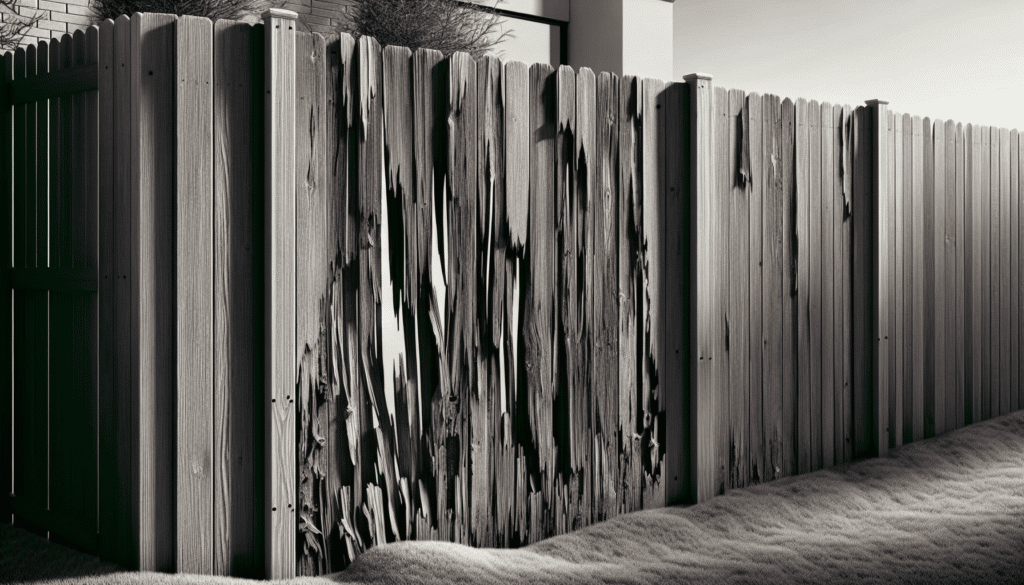
Posts and supports are crucial components of your wood fence, providing the necessary support and stability. If you notice leaning posts or weak supports, it’s vital to reinforce them to prevent further damage. You can use metal brackets, concrete, or additional lumber to strengthen the posts and supports.
Aligning and Leveling the Fence
Proper alignment and leveling are essential for the overall appearance and functionality of your wood fence. If you notice that your fence is leaning or sagging, it’s important to realign and level it to ensure structural integrity. Use a level and measuring tape to make adjustments as needed.
Staining and Sealing
Staining and sealing your wood fence can help protect it from the elements and prolong its lifespan. Stain helps enhance the natural beauty of the wood while sealing provides a barrier against moisture, UV rays, and insects. Regularly staining and sealing your fence can prevent rot, warping, and discoloration.
Choosing the Right Stain and Sealant
When selecting a stain and sealant for your wood fence, consider the type of wood, desired color, and level of protection needed. Choose a high-quality product that is designed specifically for exterior wood surfaces. Follow the manufacturer’s instructions for application and reapplication to maintain the integrity of your fence.
Applying Stain and Sealant
Before applying stain and sealant, clean your fence thoroughly to remove dirt, debris, and mildew. Use a power washer or scrub brush with a mild detergent to clean the surface. Allow the fence to dry completely before applying the stain and sealant. Use a brush, roller, or sprayer to evenly coat the wood with the products.
Maintaining Your Wood Fence
Regular maintenance is key to keeping your wood fence in top condition for years to come. Schedule annual inspections to check for signs of damage, rot, or insect infestation. Perform routine cleaning, staining, and sealing to protect your fence from the elements. By staying proactive with maintenance, you can extend the life of your wood fence and enjoy its beauty for many years.
Final Thoughts
Maintaining a wood fence may require time and effort, but the results are well worth it. By addressing issues promptly, performing routine maintenance, and making necessary repairs, you can ensure that your wood fence remains structurally sound and aesthetically pleasing. Remember to assess the damage, prioritize repairs, and invest in quality materials to keep your fence looking its best. With the right care and attention, your wood fence can continue to be a valuable addition to your property for years to come.