Welcome to our article on how to clear a drain clog or blockage. Dealing with a slow or clogged drain can be frustrating, but with a few simple steps, you can clear the obstruction and have your drain flowing smoothly again in no time. From using a plunger to trying homemade drain cleaners, we’ll walk you through some effective methods to tackle this common household issue. Say goodbye to standing water and hello to a clean, free-flowing drain! Have you ever experienced the frustration of a clogged or blocked drain in your home? It’s no fun dealing with backed-up water and slow draining sinks or showers. Luckily, there are steps you can take to clear those pesky clogs and blockages yourself without having to call a plumber. In this article, we will walk you through the process of identifying and clearing drain clogs and blockages in your home. Let’s get started!

Identifying a Drain Clog or Blockage
When you notice that water is backing up in your sink or shower, or draining slowly, it’s a clear sign that you have a drain clog or blockage. In some cases, you may even notice a foul odor coming from your drain, indicating a more severe blockage that needs immediate attention.
Signs of a Drain Clog or Blockage
- Water backing up in sinks or showers
- Slow draining water
- Foul odor coming from drains
If you are experiencing any of these issues, it’s essential to address them promptly to prevent further damage to your plumbing system. Let’s move on to the next steps in clearing drain clogs and blockages.
DIY Methods for Clearing Drain Clogs
Before you reach for harsh chemicals or call a professional plumber, there are several DIY methods you can try to clear drain clogs on your own. These methods are cost-effective and easy to do, using items you likely already have at home.
1. The Trusty Plunger
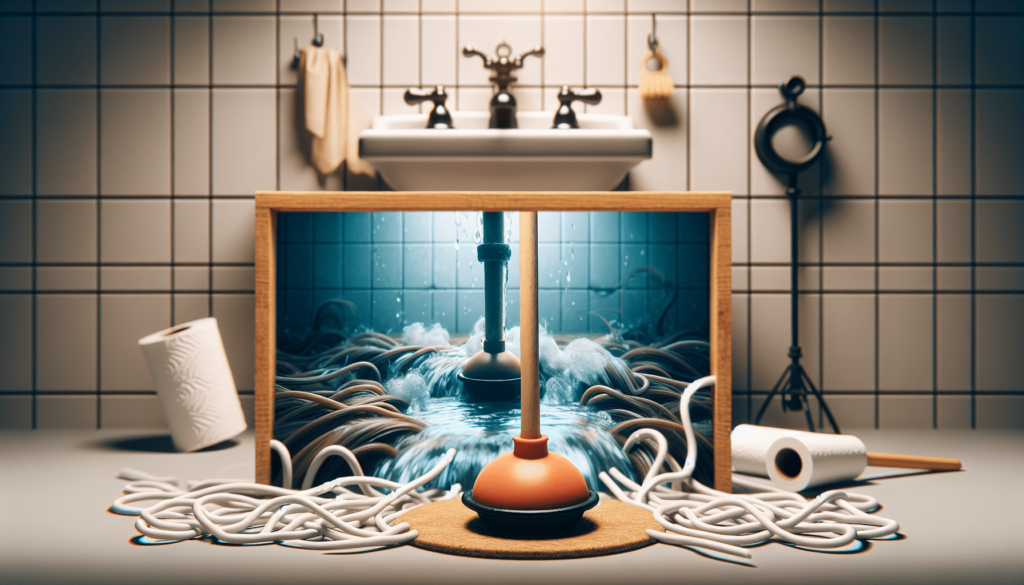
One of the most straightforward and effective ways to clear a drain clog is by using a plunger. To use a plunger, make sure there is enough water in the sink or tub to cover the rubber end of the plunger. Place the plunger over the drain and push and pull it up and down rapidly to create a vacuum seal. Continue plunging for a few minutes until you feel the clog start to loosen and the water begins to drain.
2. Baking Soda and Vinegar
Another effective DIY method for clearing drain clogs is by using a mixture of baking soda and vinegar. Start by pouring a pot of boiling water down the drain to help loosen the clog. Then, sprinkle one cup of baking soda followed by one cup of vinegar down the drain. Cover the drain with a plug or cloth to contain the fizzing reaction. Let it sit for about 30 minutes, then flush the drain with hot water to clear out the clog.
3. The Zip-It Tool
If you have hair clogs in your shower or sink drains, the Zip-It tool is a handy gadget to have. Simply insert the plastic strip into the drain, twist it, and pull it out to remove hair and other debris causing the clog. The Zip-It tool is inexpensive and available at most hardware stores, making it a convenient option for DIY drain cleaning.
Using Chemical Drain Cleaners
If DIY methods don’t work or you have a stubborn clog that won’t budge, you may consider using chemical drain cleaners. While these products can be effective in clearing drain clogs, they can also be harsh on your plumbing system and the environment. It’s essential to follow the manufacturer’s instructions carefully and use them as a last resort.
Types of Chemical Drain Cleaners
| Type of Drain Cleaner | Pros | Cons |
|---|---|---|
| Caustic Drain Cleaners | Effective on tough clogs | Harsh on pipes, toxic fumes |
| Enzymatic Drain Cleaners | Environmentally friendly | May take longer to work |
| Acidic Drain Cleaners | Fast-acting | Can damage certain types of pipes |
When using chemical drain cleaners, always wear gloves and protective eyewear, and make sure the area is well-ventilated. Follow the instructions on the label, and never mix different types of drain cleaners, as this can produce toxic fumes. After using a chemical drain cleaner, flush the drain with plenty of water to ensure it’s thoroughly rinsed out.
Preventing Future Drain Clogs
After you’ve successfully cleared a drain clog or blockage, it’s essential to take steps to prevent future clogs from occurring. Here are some preventive measures you can take to keep your drains flowing smoothly:
1. Install Drain Screens
Placing drain screens over your sink and shower drains can help prevent hair, soap scum, and other debris from entering the pipes and causing clogs. Make sure to clean the drain screens regularly to remove any buildup and maintain optimal drainage.
2. Avoid Pouring Grease Down the Drain
Grease and cooking oils can solidify in your pipes, leading to stubborn clogs. Instead of pouring grease down the drain, collect it in a container and dispose of it in the trash. You can also use a paper towel to wipe excess grease from pots and pans before washing them.
3. Regularly Clean Your Drains
To prevent buildup and blockages, it’s a good idea to clean your drains regularly. You can use a mixture of baking soda and vinegar or hot water to flush out debris and keep your drains clear. Additionally, running hot water down the drain after each use can help prevent grease and soap scum buildup.
By following these preventive measures, you can reduce the likelihood of experiencing future drain clogs and blockages in your home.
When to Call a Professional
While many drain clogs can be cleared using DIY methods or chemical drain cleaners, some clogs may require the expertise of a professional plumber. Here are some signs that it’s time to call in the pros:
Signs to Call a Professional Plumber
- Multiple clogged drains in your home
- Recurring drain clogs despite DIY efforts
- Foul odors coming from drains
- Gurgling sounds in your pipes
If you are experiencing any of these signs or have a particularly stubborn drain clog that won’t clear, it’s best to contact a licensed plumber to assess the situation and provide a proper solution.
Conclusion
Dealing with drain clogs and blockages can be a frustrating experience, but with the right tools and techniques, you can clear them yourself and prevent future issues from occurring. By following the steps outlined in this article, you can identify, clear, and prevent drain clogs in your home effectively. Remember to use DIY methods first, consider chemical drain cleaners as a last resort, and take preventive measures to keep your drains flowing smoothly. If you’re unsure or have a persistent clog, don’t hesitate to call a professional plumber for assistance. A little maintenance goes a long way in keeping your plumbing system functioning properly. Happy draining!